SKF 6204-2Z/C3 Bearing Wholesale Supplier for Sale
- Product & Series Guides
- Sep 16, 2026
- author
Smaller clearance does not mean higher precision in hot environments.
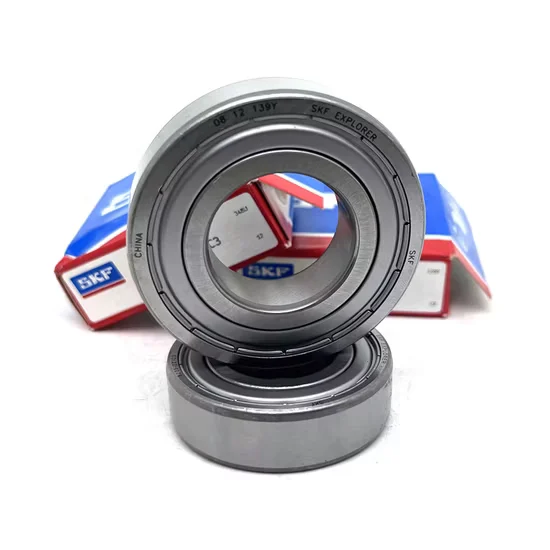
The SKF 6204-2Z/C3 is a deep groove ball bearing with 20mm bore, 47mm outer diameter, and 14mm width, featuring C3 radial internal clearance to compensate for thermal expansion in high-temperature applications such as mining conveyors and heavy-duty motors.
I still remember the smell of burnt grease hanging over the conveyor line at a copper mine in northern Chile. It was mid-afternoon, and the ambient temperature had climbed well past forty degrees Celsius. The maintenance team was frantic because the main roller bearings kept seizing up after only a few weeks of operation. They had been using standard clearance bearings, assuming that tighter fit meant better performance. But under that relentless heat, the inner rings expanded, eating up the tiny operational gap until the balls locked solid. That failure taught me that in harsh industrial environments, the right clearance is more critical than the brand name alone. When we switched those rollers to units with C3 clearance, the seizures stopped. The bearings could breathe. This experience shapes how I evaluate every request for the SKF 6204-2Z/C3 specs today. It is not just a part number; it is a specific engineering solution for thermal stress.
Understanding why this specific configuration matters requires looking beyond the basic dimensions. Many buyers search for the SKF 6204-2Z/C3 dimensions expecting a simple replacement part, but they often miss the nuance of the suffixes. The "2Z" indicates dual metal shields, while "C3" defines the internal radial clearance. Without understanding the interaction between these two features and the operating environment, even a genuine product can fail prematurely. This guide breaks down the technical rationale behind this bearing selection, drawing from field observations and standard engineering principles to help you make informed procurement decisions.
What are the core dimensions and specs of SKF 6204-2Z/C3?
The physical footprint of the SKF 6204-2Z/C3 is defined by its 20x47x14mm dimensions, but its operational capability is determined by the C3 radial internal clearance which exceeds standard CN values.
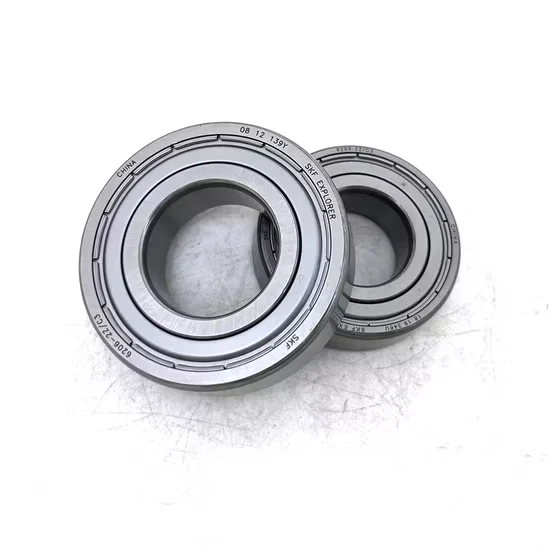
When you hold an SKF deep groove ball bearing 6204-2Z/C3, the first thing you notice is its compact robustness. The bore diameter is 20mm, the outside diameter is 47mm, and the width is 14mm. These are standard ISO dimensions, meaning it fits into housings designed for the 6204 series globally. However, the weight is approximately 0.11kg, which might seem negligible, but in high-speed applications, mass distribution affects dynamic balance. The critical specification here is not just the size, but the internal geometry. The C3 clearance group provides a larger radial play between the balls and raceways compared to the standard CN (Normal) clearance.
| Specification | Value / Description |
|---|---|
| Bore Diameter | 20 mm |
| Outside Diameter | 47 mm |
| Width | 14 mm |
| Clearance Group | C3 (Greater than Normal) |
| Shield Type | 2Z (Non-contact metal shields on both sides) |
| Bearing Type | Deep Groove Ball Bearing |
This table highlights the key parameters that define the SKF 6204-2Z/C3 specs. Note that the clearance is not a single fixed number but a range defined by international standards. In a cold workshop, a C3 bearing might feel slightly loose compared to a CN bearing. This is intentional. The extra space is reserved for the metal components to expand when they heat up during operation. If you install a standard clearance bearing in a hot environment, that expansion has nowhere to go, leading to increased friction, heat generation, and eventual seizure. Verifying these dimensions against your housing tolerances is the first step in ensuring reliability.
Why does the "C3" suffix matter for high-temperature applications?
C3 radial internal clearance acts as a thermal buffer, preventing inner ring expansion from eliminating operational play and causing bearing lock-up in high-heat scenarios.
The term "6204 C3 radial internal clearance" is often misunderstood as a measure of quality or precision grade. It is neither. It is a design parameter for thermal management. In applications like mining conveyors, cement mill fans, or electric motors running under heavy load, the inner ring heats up faster than the outer ring. Steel expands when heated. If the initial clearance is too small, the inner ring expands into the rolling elements, creating excessive preload. This preload generates more heat, which causes more expansion, creating a vicious cycle known as thermal runaway.
I have seen this happen repeatedly in tropical mining operations. A plant manager once complained that their premium bearings were failing faster than cheaper alternatives. Upon inspection, we found that the inner races had polished marks from the balls grinding against them due to zero clearance. They were using standard CN bearings in an environment where the operating temperature regularly exceeded eighty degrees Celsius. Switching to the SKF 6204-2Z/C3 specs resolved the issue because the C3 clearance accommodated the differential expansion.
The C3 designation ensures that even when the inner ring expands significantly, there is still enough room for the balls to roll freely without being crushed between the races. This is crucial for maintaining the lubricant film. If the clearance disappears, the lubricant is squeezed out, leading to metal-to-metal contact and rapid wear. Therefore, selecting C3 is not about preferring a looser fit; it is about preserving the functional integrity of the bearing under thermal stress. For any application where the operating temperature is significantly higher than ambient, or where there is a large temperature difference between the inner and outer rings, C3 is the safer choice.
How does the 2Z shield design protect the bearing in harsh environments?
The 2Z non-contact metal shields retain high-temperature stable lubricant while blocking coarse contaminants, offering a balanced solution for dusty and moderately wet conditions.
The "2Z" in the part number refers to the sealing arrangement. Unlike rubber seals (2RS) which contact the inner ring and create friction, 2Z shields are made of stamped steel and do not touch the rotating inner ring. This non-contact design is vital for high-speed applications because it minimizes heat generation from friction. However, some engineers worry that non-contact shields might allow contaminants to enter. In reality, the labyrinthine path created by the shield and the groove in the inner ring is highly effective at keeping out dust, dirt, and larger particles.
In a dusty cement plant environment, I observed that bearings with rubber seals often failed due to the seals wearing out from friction heat, especially when combined with high rotational speeds. Once the seal degraded, it offered no protection. The SKF deep groove ball bearing 6204-2Z/C3 uses metal shields that are robust and durable. They do not wear out from friction because they do not touch the rotating part. Their primary function is to keep the lubricant inside and the large contaminants outside.
It is important to note that 2Z shields are not suitable for high-pressure washdowns or submersion in water. For those conditions, rubber seals or additional external sealing is required. However, for typical industrial environments with airborne dust and moderate moisture, the 2Z design provides excellent protection while allowing the bearing to run cooler. This cooling effect is synergistic with the C3 clearance. Less friction heat means less thermal expansion, which helps maintain the optimal clearance range. When evaluating the SKF 6204-2Z/C3 dimensions and features, consider the shield type as a key factor in the bearing’s longevity in dirty environments.
How to verify genuine SKF 6204-2Z/C3 and avoid counterfeit failures?
Authenticity verification relies on checking packaging integrity, laser-etched markings, and traceability documentation rather than just visual inspection of the bearing itself.
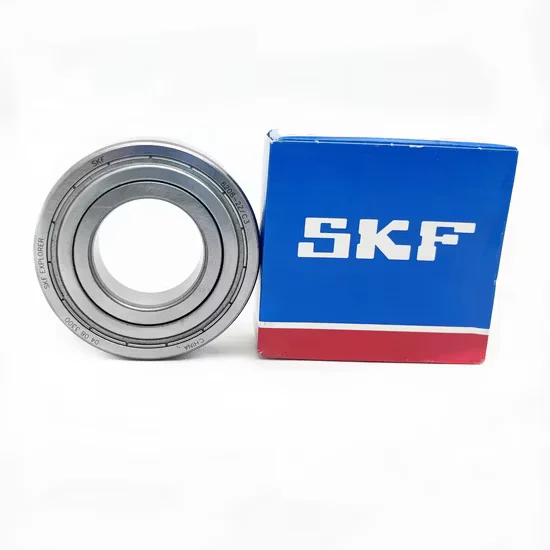
Counterfeit bearings are a significant risk in global supply chains, particularly for popular sizes like the 6204. A fake bearing might look identical to the genuine article but lack the precise metallurgy and manufacturing tolerances required for reliable performance. I once inspected a batch of bearings supplied to a manufacturing facility in Southeast Asia that failed within days. The packaging looked correct, but the steel quality was poor, leading to premature spalling. The buyer had sourced them from an unauthorized distributor who mixed genuine and counterfeit stock.
To ensure you are getting genuine products, always request full traceability documentation. Genuine SKF bearings come with certificates that link the batch number to the manufacturing facility and quality control records. Check the packaging for signs of tampering or poor print quality. On the bearing itself, look for crisp, laser-etched markings. Counterfeiters often use dot-peen marking which looks rougher. The SKF 6204-2Z/C3 specs include specific surface finish requirements that are difficult for counterfeiters to replicate consistently.
Another red flag is pricing. If the price is significantly lower than the market average, it is likely too good to be true. Genuine bearings involve costly materials and precision manufacturing processes. Buying from a reputable supplier who specializes in industrial bearings and offers mixed-brand consolidation services can reduce the risk of encountering fakes. We maintain strict sourcing protocols to ensure every unit, from a single emergency spare to a container load, is authentic and fully traceable. This diligence protects your equipment from unplanned downtime caused by substandard components.
Conclusion
Selecting the correct clearance and sealing type is as critical as choosing the right brand for bearing reliability.
The SKF 6204-2Z/C3 specs define a component engineered for resilience in challenging thermal and environmental conditions. By understanding the role of C3 clearance in compensating for heat-induced expansion and the protective benefits of 2Z shields, you can prevent common failure modes like seizure and contamination damage. Always verify authenticity through proper channels to ensure the performance matches the specifications. This approach transforms a simple spare part into a strategic asset for maintaining operational continuity.
Related Applications
This article connects to the application areas below. Open one to see the bearing categories used there.