Shipping Genuine Bearings to OEM Plants in Mexico: Wholesale Supplier
- Procurement & Trade FAQs
- Sep 15, 2026
- author
Most forwarders claim they handle customs smoothly, but the buyer remains liable for HS code mismatches.
Successful shipping bearings to OEM plants in Mexico relies on precise HS code alignment with physical bearing models, rigorous LCL consolidation practices, and complete traceability documentation to prevent port delays and quality degradation.
I still recall the humidity at the Djibouti transit port, where a container of spherical roller bearings sat for weeks because the HS code on the declaration did not match the specific internal design of the units inside. By the time the discrepancy was resolved, the anti-rust oil had partially evaporated, and the client nearly rejected the entire shipment. That incident reshaped how I approach logistics for Latin American markets. Now, when preparing shipping bearings to Monterrey or other industrial hubs, I verify every single line item against the tariff schedule before the cargo leaves the warehouse.
This attention to detail is not just about compliance; it is about preserving the integrity of precision components. The following guide breaks down the critical steps to ensure your imports arrive on time and in perfect condition.
How to avoid HS code mismatches for bearing imports?
Buyers must verify HS codes against physical bearing models, not just generic descriptions.
A common misconception is that all rolling bearings fall under a single, simple category. In reality, the Mexican customs authority distinguishes between different types based on their design and intended application. A mismatch here does not just cause a delay; it can lead to seizures or unexpected duty assessments that disrupt the supply chain.
When I process orders for shipping bearings to OEM plants in Mexico, I start by cross-referencing the manufacturer’s technical datasheet with the local tariff code. For instance, deep-groove ball bearings and tapered roller bearings often have distinct subheadings. If the documentation lists a generic code while the physical cargo contains specialized angular contact bearings, customs officers may flag the shipment for manual inspection. This manual review adds days or even weeks to the clearance process.
| Bearing Type | Classification Risk | Documentation Requirement |
|---|---|---|
| Deep-groove Ball Bearings | Low | Standard commercial invoice |
| Spherical Roller Bearings | Medium | Detailed technical specs |
| Tapered Roller Bearings | High | Precise HS code alignment |
| Needle Roller Bearings | High | Specific dimension charts |
A European automotive supplier once faced a significant penalty because their forwarder used a broad code for a mixed container of needle and cylindrical roller bearings. The customs audit revealed the discrepancy, resulting in a fine that exceeded the freight cost. To avoid this, I ensure that the packing list explicitly states the bearing type and corresponding HS code for each batch. This transparency speeds up the verification process at the port of entry.
By aligning the paperwork with the physical reality of the cargo, you eliminate the primary cause of administrative hold-ups. This practice is essential for anyone involved in shipping bearings to Mexico, as it ensures that the goods move through customs without unnecessary scrutiny.
What are the best practices for LCL bearing shipments?
Improper packing in LCL causes higher damage rates for heavy bearings, negating cost savings.
Less than Container Load (LCL) shipping is often viewed as the most cost-effective option for small to medium-sized orders. However, for heavy industrial components like bearings, improper consolidation can lead to severe damage. When I arrange LCL bearing shipment to Monterrey, I focus on weight distribution and protective packaging to mitigate these risks.
Bearings are dense and heavy. If they are palletized incorrectly or mixed with lighter, fragile goods without adequate separation, the weight can crush lower layers during transit. I once handled a mixed-brand order for a Mexican OEM where the bearings were stacked directly under boxes of electronic sensors. Upon arrival, several bearing crates had shifted, causing minor dents to the sensor packaging and raising concerns about the integrity of the bearing seals.
To prevent this, I enforce strict palletization standards. Each pallet is wrapped in shrink wrap and secured with steel strapping. For LCL consolidation, I ensure that heavy bearing crates are placed at the bottom of the container stack, with lighter goods on top. Additionally, I use moisture-absorbing desiccants within the packaging to combat the high humidity levels often encountered during sea freight.
| Packing Method | Protection Level | Suitability for LCL |
|---|---|---|
| Loose Cartons | Low | Not recommended |
| Wooden Crates | High | Recommended for heavy units |
| Palletized & Strapped | Very High | Ideal for mixed batches |
| Shrink-wrapped Only | Medium | Suitable for light bearings |
Another critical aspect is rust prevention. Bearings arriving with degraded anti-rust oil due to prolonged port stays are useless to an OEM. I ensure that all units are coated with a high-quality anti-corrosion agent before packing. For LCL shipments, which may have longer transit times due to consolidation delays, this extra layer of protection is vital.
By prioritizing structural integrity and moisture control, you protect your investment. This approach ensures that when you are shipping bearings to OEM plants in Mexico, the products arrive in the same condition they left the factory.
Which traceability documents do Mexican OEMs require?
Complete original certificates ensure batch consistency and compliance with quality standards.
Mexican OEMs are increasingly stringent about the origin and quality of their components. They require more than just a commercial invoice; they need a full suite of traceability documents. When I facilitate bearing import customs clearance Mexico, I provide original certificates of conformity, material test reports, and brand authorization letters where applicable.
A lack of proper documentation can halt production lines. A mining equipment manufacturer in northern Mexico once rejected a shipment of spherical roller bearings because the material certificates were copies rather than originals. The quality control team could not verify the batch consistency, leading to a weeks-long delay while new documents were issued and shipped. This incident highlighted the importance of having all paperwork ready before the cargo departs.
I maintain a rigorous document verification process. For every order, I compile a dossier that includes:
- Original Certificate of Conformity from the manufacturer.
- Material Test Reports detailing the steel grade and heat treatment.
- Packing List with precise weights and dimensions.
- Commercial Invoice with accurate HS codes.
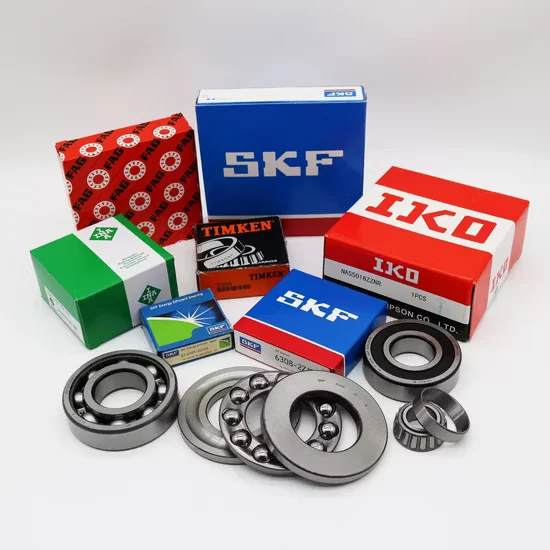
These documents prove that the bearings are genuine and meet the required specifications. For brands like SKF, FAG, or TIMKEN, having the correct traceability papers is non-negotiable. It assures the buyer that the components are not counterfeits and will perform as expected in demanding applications.
Providing these documents upfront builds trust and streamlines the receiving process. It demonstrates a commitment to quality and compliance, which is crucial for long-term partnerships with Mexican industrial clients.
How to minimize transit time and prevent quality degradation?
Direct routing and strict doc pre-checks eliminate port storage risks.
Time is a critical factor in maintaining bearing quality. The longer bearings sit in a port, the higher the risk of exposure to moisture and temperature fluctuations. To minimize transit time, I prioritize direct routing options whenever possible. While transshipment hubs can offer lower freight rates, they introduce additional handling and storage time, which increases the risk of damage and delay.
For shipping bearings to Mexico, I often recommend routes that bypass major congested hubs if a direct service is available. This reduces the total transit time and limits the number of times the cargo is handled. Additionally, I conduct a final document pre-check before the cargo is handed over to the carrier. This step ensures that all paperwork is accurate and complete, preventing last-minute delays at the origin port.
A recent shipment to an automotive plant in Puebla benefited from this approach. By choosing a direct vessel and verifying all documents in advance, the cargo cleared customs within days of arrival. The client reported that the bearings were in perfect condition, with no signs of corrosion or packaging damage. This outcome contrasts sharply with previous experiences where transshipment led to extended port stays and compromised product quality.
| Routing Option | Transit Time | Handling Risk | Cost Implication |
|---|---|---|---|
| Direct Vessel | Short | Low | Higher freight rate |
| Transshipment | Long | High | Lower freight rate |
| Air Freight | Very Short | Low | Significantly higher cost |
Preventing quality degradation also involves monitoring the condition of the packaging during transit. I advise clients to inspect the outer packaging immediately upon arrival. Any signs of water damage or crushing should be documented and reported to the carrier and insurer promptly. This proactive approach helps in resolving claims quickly and ensures that any compromised units are identified before they enter the production line.
By optimizing the logistics chain and maintaining strict control over documentation and packaging, you can ensure that your bearings arrive ready for immediate use. This efficiency is key to supporting the continuous operations of Mexican OEMs.
Conclusion
Precision in documentation and packing defines successful bearing imports.
Shipping bearings to OEM plants in Mexico requires a meticulous approach to HS codes, LCL consolidation, and traceability. By verifying every detail and prioritizing direct routing, you avoid costly delays and ensure product integrity. These practices transform potential logistical hurdles into seamless supply chain operations.