SKF 6303-2Z Bearing Wholesale Supplier for Bulk Orders
- Product & Series Guides
- Sep 16, 2026
- author
Most buyers obsess over the 17x47x14mm dimensions, yet ignore the paper wrapping that actually determines if the cargo clears customs.
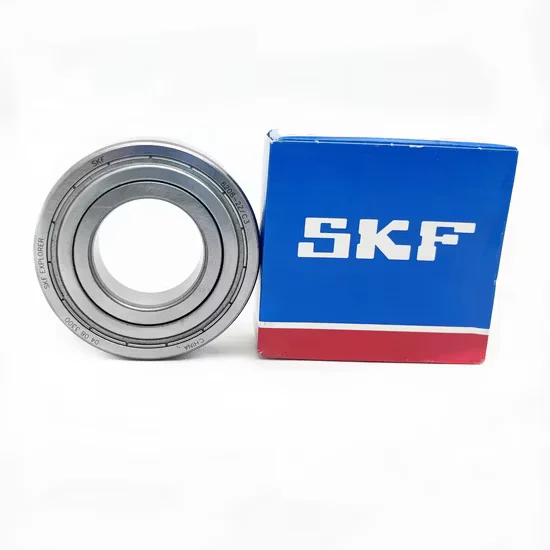
The core specifications for an SKF 6303-2Z deep groove ball bearing include a 17 mm bore, 47 mm outer diameter, and 14 mm width, featuring non-contact metal shields on both sides. However, for bulk procurement, technical data sheets alone are insufficient. Safe sourcing requires rigorous cross-verification of batch numbers on the certificate of origin against physical packaging to prevent transit contamination and port delays.
I still remember the silence in the office when the tracking update for a Dubai shipment stalled at Jebel Ali. It was a bulk order of these bearings, destined for a client who needed them for immediate assembly line maintenance. The specs were perfect. The load ratings matched the application. But the anti-rust paper had torn during less-than-container-load consolidation, allowing preservative grease to leak onto adjacent electronic components. The cargo was held. I had not cross-checked the certificate of origin with the batch numbers on the original packaging. That oversight cost more than just demurrage fees; it damaged trust. Now, before any goods hit the warehouse floor, I verify the packing list and origin documents multiple times. This practice is not just about paperwork; it is about ensuring that the physical integrity of the SKF 6303-2Z matches its documented history.
What are the core dimensions of SKF 6303-2Z?
Precise dimensional adherence is the baseline for fit, but shield design dictates environmental resilience.
The SKF 6303-2Z belongs to the single row deep groove ball bearing family. Its designation reveals critical structural details. The "63" indicates the medium series, providing a balance between load capacity and speed. The "03" defines the bore code, which translates to a 17 mm inner diameter. The external dimensions are 47 mm for the outer diameter and 14 mm for the width. These measurements are standardized under ISO norms, ensuring interchangeability across machinery designed for this footprint.
The "2Z" suffix is often misunderstood as merely a dust cover. In reality, it signifies non-contact metal shields pressed into the outer ring groove on both sides. Unlike contact seals, these shields do not generate significant friction, making them suitable for higher rotational speeds. However, they offer limited protection against water ingress compared to rubber seals. For distributors handling mixed batches, understanding this distinction is vital. A buyer requesting high-speed spindle applications might reject a sealed variant due to heat generation, while a mining equipment operator might find the 2Z variant insufficient for wet environments without additional housing protection.
| Feature | Specification Detail | Functional Impact |
|---|---|---|
| Bore Diameter | 17 mm | Standard fit for shafts of this size |
| Outer Diameter | 47 mm | Determines housing bore requirements |
| Width | 14 mm | Influences axial space allocation |
| Shield Type | 2Z (Non-contact metal) | Low friction, moderate dust protection |
| Cage Material | Sheet metal | Standard durability for general use |
When sourcing SKF 6303-2Z units, verifying these dimensions against the manufacturer’s technical data sheet is the first step. Yet, dimensional accuracy is only half the battle. The internal clearance, typically CN for standard applications, allows for thermal expansion during operation. Distributors must ensure that the specific clearance class matches the end-user’s operating temperature range. A mismatch here can lead to premature failure, even if the outer dimensions are perfect.
How do 6303-2Z load ratings fit your application?
Load capacity is not just about weight; it is about fatigue life under dynamic stress.
The performance of an SKF 6303-2Z is defined by its dynamic and static load ratings. These values determine how much force the bearing can withstand before fatigue sets in. The dynamic load rating indicates the constant radial load that a group of identical bearings can endure for one million revolutions. For this specific model, the design supports moderate radial loads and limited axial loads in both directions. This makes it ideal for electric motors, gearboxes, and general industrial machinery where combined loads are present but not extreme.
The bearing utilizes grease lubrication, which is pre-filled during manufacturing. This simplifies installation for MRO teams who may not have access to specialized lubrication equipment. However, the type of grease and its quantity are critical. Over-lubrication can cause churning and overheating, while under-lubrication leads to metal-to-metal contact. The Explorer class performance, often associated with premium SKF lines, implies cleaner steel and optimized internal geometry, which extends service life significantly compared to standard grades.
| Load Parameter | Qualitative Assessment | Application Suitability |
|---|---|---|
| Dynamic Load Capacity | Moderate to High | Suitable for rotating machinery with steady loads |
| Static Load Capacity | High | Resists deformation under stationary heavy loads |
| Speed Limitation | High (due to 2Z shields) | Ideal for motors and fans |
| Lubrication | Pre-greased | Low maintenance, ready for immediate use |
A European wind farm operator once reported premature failures in auxiliary generators. Upon inspection, the bearings were genuine, but the load distribution was uneven due to misalignment. The SKF 6303-2Z was capable of handling the load, but the application context was flawed. This highlights why technical datasheets must be reviewed alongside mechanical drawings. Buyers should not just look at the load number but understand the operational environment. For heavy-equipment OEMs, this means consulting with suppliers who can provide equivalent model consultations if the exact part is unavailable, ensuring that the replacement maintains the same load-bearing integrity.
Why do transit specs matter as much as physical specs?
Physical specs define performance; transit specs define survival.
In global trade, especially for less-than-container-load shipments, the journey is as critical as the destination. The SKF 6303-2Z comes wrapped in anti-rust paper, designed to protect the metal surfaces from humidity and corrosion. However, this paper is fragile. During consolidation, where goods from multiple suppliers are packed together, rough handling can tear this protective layer. Once torn, the preservative grease can leak, contaminating adjacent items and exposing the bearing to moisture.
I have seen containers where rust paper failure rates were high due to poor stacking practices. The result was not just corroded bearings but rejected entire batches upon arrival. For distributors in regions with high humidity, such as Southeast Asia or parts of Latin America, this risk is amplified. Cross-checking origin documents helps trace the batch back to the production date. Older stock may have degraded preservatives, making them more vulnerable to transit damage.
Port clearance delays are another hidden cost. Mismatched batch numbers on packing lists versus the actual goods can trigger customs inspections. In one instance, a shipment was held for days because the certificate of origin listed a different batch number than the boxes. This discrepancy raised suspicions of counterfeit goods. By verifying these details before shipping, buyers can avoid such logistical nightmares. The SKF 6303-2Z may be genuine, but without proper documentation alignment, it becomes a liability rather than an asset.
How to verify genuine SKF 6303-2Z before shipping?
Verification is a multi-layered process involving document triangulation and physical inspection.
Ensuring authenticity requires more than trusting a supplier’s word. It demands a systematic approach to document verification. First, check the certificate of origin. It must match the country of manufacture stated on the bearing packaging. Second, compare the batch numbers on the packing list with those on the individual boxes. Any discrepancy is a red flag. Third, inspect the physical packaging for signs of tampering or re-sealing. Genuine SKF products have specific holographic labels and printing quality that are difficult to replicate.
For bulk orders, requesting photos of the actual stock before shipment is a prudent step. Look for clear images of the batch codes and the condition of the anti-rust wrapping. If the supplier hesitates, consider it a warning sign. Reliable suppliers maintain spot inventory with full traceability, allowing for such checks. They understand that for MRO buyers, downtime is costly, and receiving counterfeit or damaged goods is not an option.
| Verification Step | Action Required | Risk Mitigated |
|---|---|---|
| Document Check | Match COO with packaging | Prevents customs delays |
| Batch Number Alignment | Compare packing list vs. boxes | Ensures traceability |
| Physical Inspection | Check for tampering/holograms | Detects counterfeits |
| Packaging Integrity | Verify anti-rust paper condition | Prevents transit corrosion |
A Middle East steel mill once received a shipment where the outer boxes looked genuine, but the inner bags lacked proper branding. The bearings failed within weeks. The issue was not the bearing design but the source. By implementing a triple-check document verification process, buyers can filter out such risks. This approach ensures that every SKF 6303-2Z unit received is not only dimensionally correct but also authentically sourced and safely transported.
Conclusion
Specs get the bearing into the machine; documentation gets it through the port.
Procuring SKF 6303-2Z bearings requires a dual focus on technical precision and logistical diligence. While the 17x47x14mm dimensions and 2Z shield design define its mechanical utility, the integrity of its packaging and documentation defines its commercial viability. Buyers who prioritize document cross-checking and transit protection secure not just parts, but operational continuity.
Related Applications
This article connects to the application areas below. Open one to see the bearing categories used there.