SKF 6300-2Z Deep Groove Ball Bearing Wholesale Supplier
- Product & Series Guides
- Sep 16, 2026
- author
Most buyers assume the suffix "2Z" defines the entire performance profile of an SKF 6300-2Z, but this is a dangerous oversimplification that leads to premature motor failure.
The core specifications for an SKF 6300-2Z are a 10mm bore, 35mm outer diameter, and 11mm width, featuring non-contact metal shields on both sides. However, the critical differentiator for high-temperature applications is not the shield type, but the internal radial clearance suffix (CN vs C3). Selecting the standard CN clearance for high-speed or high-heat environments causes thermal expansion to eliminate running clearance, leading to rapid seizure. Authentic procurement requires verifying laser-etched traceability codes and matching the clearance suffix to the specific operating temperature, not just the physical dimensions.
Having spent years navigating the bustling halls of Hanover and the industrial districts of Chicago, I have learned that the difference between a successful rebuild and a catastrophic downtime event often lies in a single letter stamped on the bearing ring. The eye of an experienced MRO buyer does not just look for the part number; it scans for the subtle indicators of authenticity and suitability. A mismatched clearance suffix is not a minor error; it is a fundamental engineering oversight that no amount of lubrication can correct.
What Are the Core Dimensions and Load Specs of SKF 6300-2Z?
The compact 10x35x11mm footprint of the SKF 6300-2Z makes it a staple in small industrial gearboxes and electric motors, but its load capacity is strictly defined by its internal geometry.
Understanding the basic dimensions is the starting point, but relying on them alone is insufficient for critical applications. The SKF 6300-2Z is a single-row deep groove ball bearing with non-contact shields. Its physical size allows it to fit into tight spaces where larger bearings cannot go, but this compactness means it has specific limits regarding dynamic and static load ratings.
| Parameter | Specification | Application Note |
|---|---|---|
| Bore Diameter | 10 mm | Standard shaft fit for small motors |
| Outer Diameter | 35 mm | Compact housing requirement |
| Width | 11 mm | Limited axial space availability |
| Shield Type | 2Z (Non-contact) | High speed, low friction, dust exclusion |
| Clearance Class | CN (Standard) or C3 | Critical for thermal expansion management |
A common mistake I observed involved a batch of bearings ordered solely based on these dimensions. The buyer assumed that any 10x35x11mm bearing would work. However, without specifying the load rating requirements, they received a generic equivalent that failed under moderate radial loads. The genuine SKF 6300-2Z is engineered to handle specific dynamic loads that generic alternatives may not sustain over long periods.
For distributors stocking this item, it is vital to communicate that the dimensions are just the entry ticket. The real value lies in the precision of the raceways and the quality of the steel, which directly impact the fatigue life. When sourcing as an SKF 6300-2Z wholesale supplier, ensuring that the physical specs match the OEM drawings is only the first step in preventing returns and complaints.
Why Does the Clearance Suffix (CN vs C3) Matter for Your Application?
Standard CN clearance chokes in high-temperature operations, while C3 provides the necessary room for thermal expansion, preventing catastrophic seizure.
This is the most frequent cause of premature failure I have witnessed in the field. Many buyers order an SKF 6300-2Z assuming the default clearance is suitable for all conditions. It is not. The standard clearance (CN) is designed for normal operating temperatures. When a motor runs hot, the inner ring expands faster than the outer ring. If there is no extra internal clearance, the balls get crushed between the raceways, generating excessive heat and friction until the bearing locks up.
I recall a specific case in Chicago where a motor rebuild failed within 48 hours. The maintenance team had used a standard CN clearance bearing in a high-temperature application. The result was immediate overheating and seizure. Had they specified a C3 clearance, which offers greater radial internal clearance, the bearing would have accommodated the thermal expansion and likely lasted for months or even years.
| Clearance Suffix | Description | Best Use Case |
|---|---|---|
| CN | Normal radial internal clearance | Standard temperature, normal speeds |
| C3 | Greater than normal radial internal clearance | High temperature, high speed, interference fits |
The distinction is subtle but critical. A C3 bearing looks identical to a CN bearing from the outside. The only way to know is to check the suffix on the packaging and the bearing itself. For an SKF 6300-2Z wholesale supplier, educating clients on this difference is essential. It prevents the frustration of receiving a "defective" product that was simply misapplied.
When verifying stock, always confirm the suffix. If the application involves motors that run hot or have tight interference fits, insist on C3. This simple check can save significant downtime and replacement costs. The expertise lies not just in selling the part, but in ensuring it survives the environment it is placed in.
2Z Shields vs 2RS Seals: Which Fits Your Operating Environment?
2Z shields allow for higher speeds and lower friction but offer less protection against fine dust compared to 2RS seals, which retain grease better but limit RPM.
Confusing the shield type is another common error. The "2Z" in SKF 6300-2Z indicates non-contact metal shields. These shields do not touch the inner ring, resulting in very low friction and allowing for higher rotational speeds. However, because they are non-contact, they are not completely sealed against fine dust or water spray. They are ideal for clean, high-speed environments like electric motors.
In contrast, "2RS" bearings have rubber contact seals. These provide excellent protection against contaminants and retain grease effectively, making them suitable for dirty or wet environments. However, the contact creates friction, which generates heat and limits the maximum speed. Using a 2RS bearing in a high-speed motor can lead to overheating and seal degradation.
I once saw a dusty industrial fan application where 2Z bearings were used. Dust ingressed past the shields, contaminating the grease and causing early failure. Switching to 2RS seals solved the contamination issue, but the speed had to be monitored to ensure the seals did not overheat.
| Feature | 2Z (Metal Shield) | 2RS (Rubber Seal) |
|---|---|---|
| Contact Type | Non-contact | Contato |
| Friction | Low | Higher |
| Speed Limit | High | Moderate/Low |
| Contamination Protection | Good (coarse dust) | Excellent (fine dust/water) |
| Grease Retention | Good | Excellent |
Choosing the right suffix depends entirely on the operating environment. For an SKF 6300-2Z wholesale supplier, understanding these trade-offs allows for better consultation with clients. If the environment is clean and speed is high, 2Z is the correct choice. If contamination is a risk, 2RS may be better, even if it means sacrificing some speed capability.
The key is to match the bearing design to the actual working conditions. Misapplication leads to unnecessary maintenance and cost. By clarifying these differences, suppliers can help clients avoid costly mistakes and ensure optimal equipment performance.
How to Verify Authentic SKF 6300-2Z During Procurement?
Counterfeit bearings often lack precise laser-etched traceability codes and use inferior packaging, posing a severe risk of sudden seizure and equipment damage.
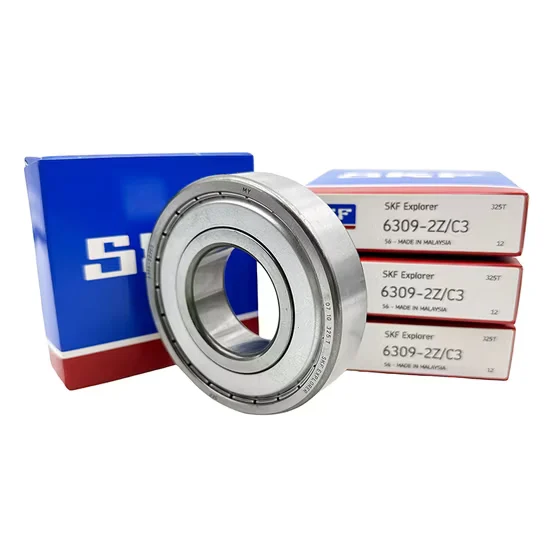
The market is flooded with fake bearings that look convincing at first glance. However, they fail to meet the stringent quality standards of genuine SKF products. The most reliable way to verify authenticity is to check for laser-etched traceability codes on the bearing ring and the packaging. Genuine SKF bearings have clear, precise markings that are difficult to replicate. Counterfeits often have poorly etched or missing codes.
During a recent container unloading, I spotted a batch of suspicious SKF 6300-2Z bearings. The packaging looked correct, but the laser etching on the bearings was faint and uneven. Upon closer inspection, the traceability codes were missing. We rejected the entire shipment. This vigilance prevented potentially disastrous failures for our clients.
| Verification Point | Genuine SKF | Counterfeit Risk |
|---|---|---|
| Traceability Code | Clear, laser-etched, verifiable | Faint, missing, or printed |
| Packaging | High-quality, consistent branding | Poor print quality, spelling errors |
| Steel Quality | Premium, consistent hardness | Variable, prone to early fatigue |
| Surface Finish | Smooth, precise grinding | Rough, inconsistent |
Authenticity is not just about brand prestige; it is about reliability. A fake bearing may save money upfront but can cause extensive damage to machinery. For an SKF 6300-2Z wholesale supplier, maintaining strict supply chain controls and verifying every batch is non-negotiable. This ensures that clients receive only genuine products that perform as expected.
Procurement teams should always request documentation and verify traceability codes. If a deal seems too good to be true, it probably is. Investing in genuine bearings from a trusted supplier is an investment in operational continuity and safety.
Conclusion
Precision in specification and verification is the cornerstone of reliable bearing performance.
Selecting the correct SKF 6300-2Z involves more than just matching dimensions. It requires careful consideration of clearance suffixes, shield types, and authentic sourcing. By understanding these technical nuances and verifying product authenticity, buyers can ensure optimal equipment performance and avoid costly downtime. Trust in verified supply chains and technical expertise to deliver genuine solutions.
Related Applications
This article connects to the application areas below. Open one to see the bearing categories used there.