
Cylindrical Roller Bearings
SKF ball, roller and mounted bearings for machine builders, distributors and project buyers



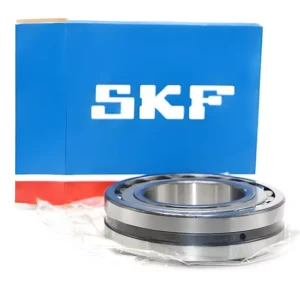
SKF 24168 24172 24176 Spherical Roller Bearings — double-row bearing steel construction engineered for heavy radial loads in metallurgical plants, steel mills, vibrating screens, and heavy-duty gearboxes, fully compatible with both grease and oil lubrication systems.
Product Details
Official App Verification — Every SKF 24168 24172 24176 spherical roller bearing we dispatch includes a scannable QR code linked directly to the manufacturer's authentication database.
| Parameter | Value |
|---|---|
| Designation | SKF 24168 24172 24176 |
| Bearing Type | Spherical Roller Bearing |
| Number of Rows | Double |
| Load Direction | Radial |
| Material | Bearing Steel |
| Lubrication | Grease or Oil |
| Precision Class | P0, P6, P5, P4, P2 |
| Clearance Class | C0, C3, C4 |
| Separated | Unseparated |
| Origin | Sweden |
| Industry | Typical Applications |
|---|---|
| Metallurgical Plants | Continuous casting lines, rolling mill stands |
| Mining & Aggregates | Vibrating screens, heavy-duty crushers |
| Power Transmission | Heavy-duty gearboxes for bulk material handling |
Thermal expansion in high-heat environments rapidly eliminates internal clearance if the wrong class is specified.
Years ago, I supplied a continuous casting line with these exact bearings but accidentally shipped standard clearance instead of C3. The intense ambient heat caused the inner ring to expand, completely eliminating the internal gap and triggering a catastrophic seizure that halted the entire melt shop. Since that costly downtime event, I strictly verify thermal profiles before confirming any clearance class for heavy metallurgical equipment.
When managing massive radial forces in rolling mills, the SKF 24168 24172 24176 spherical roller bearing utilizes a double-row configuration to distribute stress evenly across the raceway. Our engineering team frequently cross-references these specific part numbers against OEM equipment manuals to ensure the load distribution aligns perfectly with your actual operational forces, preventing localized spalling.
Metallurgical environments subject components to intense radiant heat and heavy particulate contamination. Selecting between grease and oil lubrication depends entirely on whether the housing includes a circulating cooling system or relies on periodic manual relubrication to flush out debris. Furthermore, operating at elevated temperatures demands careful consideration of thermal expansion, making the correct internal clearance absolutely critical to prevent the rollers from skidding under load.
The unseparated double-row design inherently provides high radial rigidity while accommodating minor shaft misalignments typical in heavy gearboxes. Choosing between C0, C3, and C4 clearance classes dictates how the bearing behaves once it reaches its steady-state operating temperature; C3 or C4 is almost mandatory for hot-rolling applications to compensate for inner ring expansion. Precision classes ranging from P0 up to P2 dictate the running accuracy, though standard P0 or P6 usually suffices for slow-turning casting rolls. Finally, the bearing steel construction delivers the necessary core hardness to withstand extreme contact stresses without premature micro-cracking.
Specifying the wrong internal clearance or ignoring misalignment limits inevitably leads to unplanned downtime and premature failure. When rollers skid due to thermal expansion, the resulting surface damage triggers a cascade of catastrophic damage to the housing and adjacent shafts. According to failure analysis frameworks, a significant share of premature failures stems directly from application mismatch rather than manufacturing defects. This easily results in warranty voidance and massive replacement costs.
Sourcing authentic components requires more than just a catalog number; it demands rigorous verification of the internal clearance and precision class. We maintain massive spot inventory covering these large-bore part numbers, eliminating typical multi-week lead times that halt production. Our technical team provides cross-brand equivalent model consultation if an immediate replacement is needed from alternative premium lines. Every shipment includes complete traceability documentation, ensuring the exact batch matches the demanding specifications of your continuous casting or rolling mill equipment.
To ensure optimal performance, please share your specific radial and axial loads, operating speeds, and steady-state temperatures so our engineers can perform a comprehensive L10 life calculation. Providing the exact OEM equipment number allows us to execute a precise cross-reference check, confirming the required clearance class and lubrication method before dispatch.
Q: How can I verify the authenticity of these specific part numbers?
A: Every unit we supply features a unique QR code that links directly to the manufacturer's official authentication application. Scanning this code confirms the origin, production batch, and original specifications, ensuring you receive genuine components rather than counterfeit substitutes that frequently plague the heavy machinery aftermarket.
Q: Which clearance class is appropriate for continuous casting applications?
A: Continuous casting lines generate immense radiant heat, causing the inner ring to expand significantly more than the outer ring. While C0 is standard for ambient conditions, C3 or C4 clearance is typically mandatory in these high-heat zones to prevent thermal expansion from eliminating the internal gap and causing seizure.
Q: What lubrication method works best for vibrating screens?
A: Vibrating screens impose severe centrifugal forces that can easily purge standard grease from the raceway. Oil bath or circulating oil systems are often preferred to ensure continuous lubrication and cooling, though specialized high-adhesion greases with frequent relubrication intervals can also suffice depending on the specific housing design.
Q: How do I determine the correct precision class for my gearbox?
A: Heavy-duty gearboxes generally operate at lower speeds where extreme running accuracy is less critical, making standard P0 or P6 classes perfectly adequate. Higher precision classes like P4 or P2 are usually reserved for high-speed machine tool spindles where minimizing vibration and maintaining exact rotational tolerance is paramount.
Before You Enquire
A complete enquiry ties every price to the right execution, drawing and project stage. It also catches the sleeves and locking components that BOMs often leave out.
Send Your BOMSame Product Family
These bearings share a category with this model, so you can review them together when one BOM covers several lines.
Cylindrical Roller Bearings

Angular Contact Ball Bearings

Cylindrical Roller Bearings
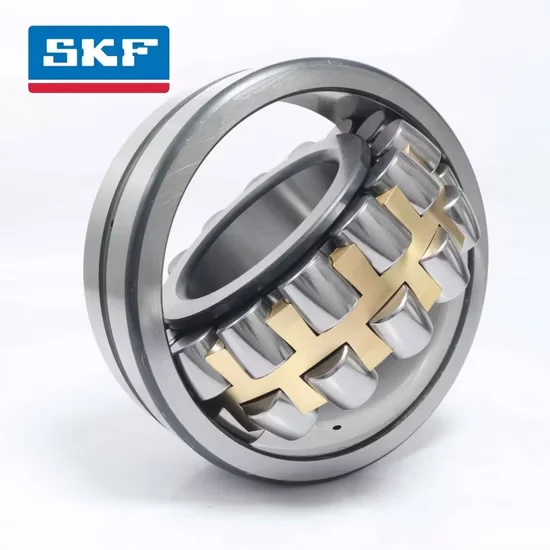
Spherical Roller Bearings
Where It Fits
This bearing is listed for the applications below. Open each one to see the related product categories.
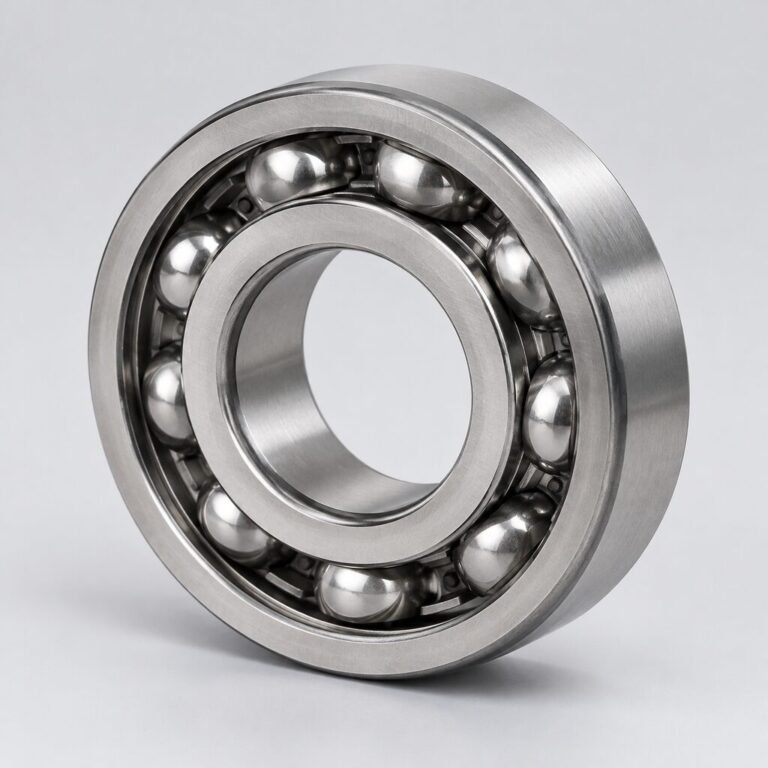 Machinery Parts Distribution Machinery parts distributors stock and resell standard bearings for general machinery, automotive and light-vehicle customers, often across many sizes on a single purchase list.… Ball Bearings · Roller Bearings · Sealed and Shielded Bearings · Inch Size Bearings
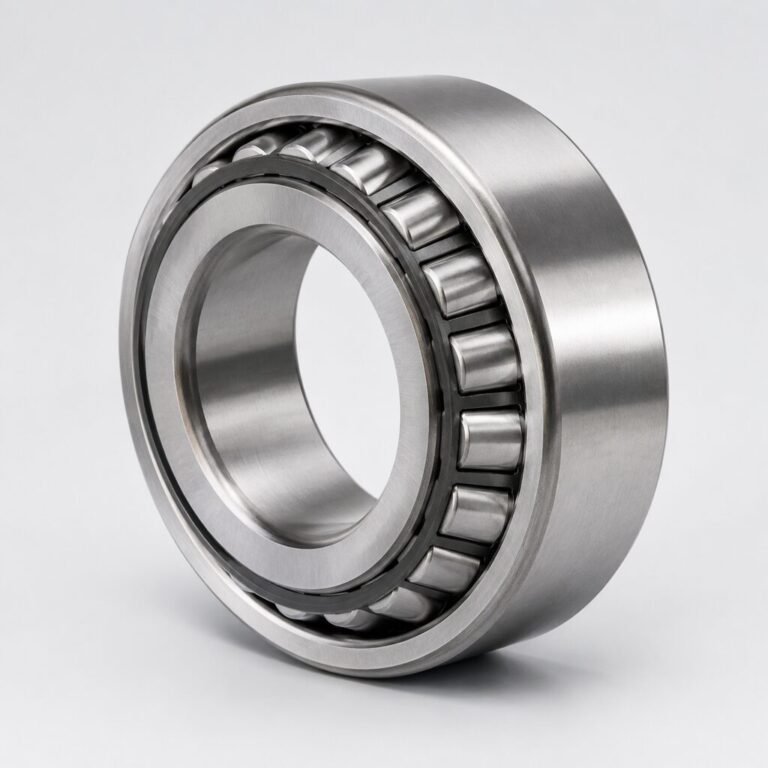 Power Transmission & Rotating Equipment Gearboxes, reducers, pumps, compressors, blowers, conveyors and wind turbine drivetrains depend on bearings that carry combined radial and axial loads at sustained speeds. Shock… Cylindrical Roller Bearings · Tapered Roller Bearings · Spherical Roller Bearings · Self-Aligning Ball Bearings
Technical Reading
These articles support bearing selection and specification checks for this product type.
Sep 15, 2026 · Brands & Alternatives
Source Equivalent Bearings for OEM Spare Parts Lists by matching technical specifications like clearance and load ratings instead of rigid brand names. This cross-brand…
Sep 15, 2026 · Procurement & Trade FAQs
Manage field failure returns from OEM customers by identifying root causes like seal失效 or improper lubrication rather than assuming manufacturing defects. Implement systematic analysis…
Sep 16, 2026 · News & Cases
Master Supply Chain Diversification 2026 for OEMs by balancing multi-brand bearing sourcing with strict customs compliance to avoid production halts. Align HS codes and…
Perguntas Frequentes
The exact execution is confirmed before you accept a product quote. Share the BOM line and drawing revision. If the marking on an old bearing is incomplete, send a clear photo and note what still needs checking.
List each stage as its own quantity with its own required date. Prototype, production and spare quantities can then appear separately in one project quote, so planners can schedule each stage on its own timing.
State the BOM line, the drawing revision and whether alternatives are allowed. A separately identified alternative is settled before the product quote is accepted. Technical changes require buyer approval, so your design engineer keeps control of the specification.
Product documents are confirmed at the written quote stage, order by order. List the documents your project requires in your enquiry. Transport documents are confirmed with the shipping arrangements for the order.
Request a Quote
SKF Mechanical and Electrical Equipment supplies SKF ball, roller and mounted bearings to buyers worldwide. Your written quote states model, quantity, price and currency, availability, estimated lead time and validity.