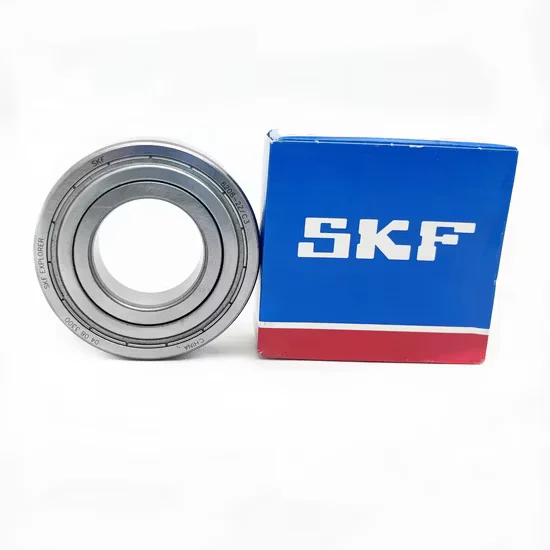
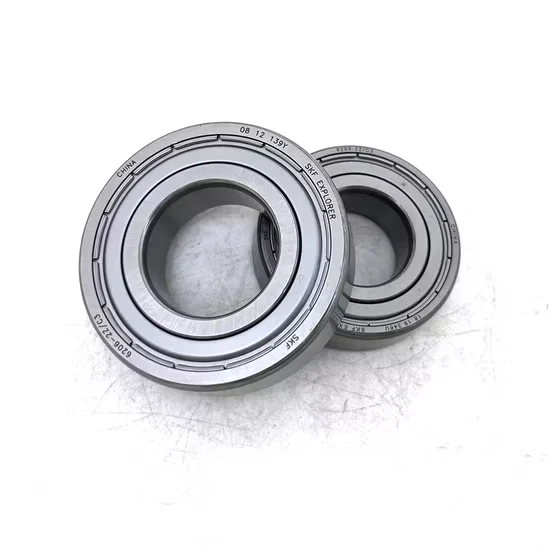
OEM Centrifugal Pump Bearings Wholesale Supplier
- Applications & Industries
- Sep 16, 2026
- author
Standard bearings do not fit all centrifugal pumps.
Matching internal clearance, material grade, and bearing type to specific media temperatures, rotational speeds, and radial loads is the only reliable method to prevent premature failure in centrifugal pump OEM packages. Generic selections often lead to cage fractures or thermal seizure within months of operation.
I still recall the smell of burnt lubricant from a batch of chemical centrifugal pumps returned by a frustrated OEM client. They had opted for standard clearance deep groove ball bearings to cut initial costs, ignoring the high-temperature nature of the process media. Within three months, the keepers shattered due to thermal expansion locking the rolling elements. That incident reinforced a hard truth: bearing selection is not about finding the cheapest component that fits the shaft diameter; it is about engineering compatibility with the operating environment.
For industrial pump manufacturers and regional distributors, securing consistent, traceable, and technically appropriate components is critical. This guide details how to align bearing specifications with pump duties and why sourcing from a verified OEM centrifugal pump bearings wholesale supplier ensures batch consistency and reduces long-term liability.
Why Do Centrifugal Pump Bearings Fail Prematurely?
Mismatched clearances and inadequate lubrication under thermal stress are the primary drivers of early bearing fractures in centrifugal pumps.
Most premature failures stem from a fundamental misunderstanding of how heat affects internal geometry. When a pump handles hot media, the shaft expands more rapidly than the outer housing in many designs, or vice versa, depending on the cooling arrangement. If the bearing has standard internal clearance (C0), this differential expansion eliminates the necessary running gap. The rolling elements become preloaded unintentionally, generating excessive heat, which further expands the metal, leading to a thermal runaway cycle.
In my early days inspecting pump assemblies, I frequently saw technicians install standard bearings into high-temperature applications because the part number matched the drawing, but the suffix indicating clearance class was overlooked. The result was often catastrophic cage failure. The plastic or steel cage cannot withstand the frictional heat generated by locked rollers.
Furthermore, lubrication breakdown accelerates this process. High temperatures thin out standard grease, reducing film strength. Without a robust elastohydrodynamic lubrication film, metal-to-metal contact occurs, causing surface distress and spalling. A proper selection process must account for the operating temperature range to choose a grease with the right base oil viscosity and thickener stability.
Sourcing from a knowledgeable OEM centrifugal pump bearings wholesale supplier helps avoid these pitfalls. Such suppliers do not just ship boxes; they verify that the clearance class specified in the purchase order matches the thermal profile of the pump application. This technical oversight is vital for maintaining the reliability of the final pump product.
How to Match Bearing Types to Pump Operating Conditions?
High-temperature and heavy-load media demand specific roller configurations or adjusted-clearance ball bearings rather than generic deep groove types.
Selecting the right bearing type requires a systematic evaluation of three key parameters: load direction and magnitude, speed, and environmental conditions. A one-size-fits-all approach fails because centrifugal pumps vary widely in duty. A small water circulation pump operates under vastly different stresses than a large slurry pump handling abrasive solids.
| Operating Condition | Recommended Bearing Type | Clearance Class | Lubrication Consideration |
|---|---|---|---|
| Standard Water/Cooling | Deep Groove Ball Bearing | C0 or C3 | Standard Lithium Complex |
| High Temperature Media | Angular Contact or Cylindrical Roller | C3 or C4 | High-Temp Synthetic Grease |
| Heavy Radial Load/Slurry | Spherical Roller Bearing | C3 | EP Additive Grease |
| High Speed/Low Load | Precision Angular Contact | C2 or C3 | Oil Mist or Jet Lubrication |
Consider the case of a cooling water pump upgrade I consulted on. The original design used standard clearance bearings, which suffered from frequent overheating during summer peaks. By switching to bearings with C3 clearance, we accommodated the thermal expansion of the shaft without inducing preload. The service life extended noticeably, reducing maintenance intervals. This adjustment was simple but required precise knowledge of the pump’s thermal behavior.
For slurry pumps, the challenge shifts from heat to contamination and heavy radial loads. Here, spherical roller bearings are often preferred due to their ability to accommodate misalignment and handle heavy shocks. However, sealing becomes critical. A OEM centrifugal pump bearings wholesale supplier can provide integrated solutions where the bearing package includes compatible seals and high-viscosity greases designed to resist washout from abrasive slurries.
It is also essential to consider the material. For corrosive environments, such as chemical processing, stainless steel bearings or those with specialized coatings may be necessary. Standard chrome steel will corrode quickly, leading to pitting and vibration. Verifying material certification is a non-negotiable step in the procurement process.
When procuring these specialized components, working with a supplier who stocks multiple global brands allows for flexibility. If a specific premium brand is unavailable, a knowledgeable partner can suggest an equivalent from another reputable manufacturer, ensuring the technical specifications remain intact while keeping production schedules on track.
What Documents Prove Bearing Authenticity in OEM Packages?
Traceability reports and material certificates are non-negotiable for ensuring batch consistency and preventing counterfeit infiltration in OEM supply chains.
In the global bearing market, counterfeiting remains a significant risk. A fake bearing may look identical to a genuine one but lack the precise metallurgy and heat treatment required for durability. For an OEM manufacturer, using a counterfeit bearing can lead to widespread field failures, damaging brand reputation and incurring substantial warranty costs.
To mitigate this risk, every bearing batch should come with verifiable documentation. This includes the original manufacturer’s certificate of conformity, which details the batch number, production date, and test results. Additionally, material certificates confirming the steel grade and hardness are essential for critical applications.
I once assisted a distributor in Southeast Asia who received a shipment of bearings that failed prematurely. Upon investigation, we found that the packaging looked authentic, but the internal rings showed inconsistent hardness. The missing link was the absence of a mill certificate linking the steel batch to the finished product. Without this paper trail, it was impossible to hold the supplier accountable or identify the root cause quickly.
A reliable OEM centrifugal pump bearings wholesale supplier provides full traceability. This means you can trace each bearing back to its production facility. This level of transparency is crucial for audits and quality control. It also helps in identifying if a specific batch has known issues, allowing for proactive recalls before failures occur in the field.
Moreover, consistent documentation simplifies inventory management. When replacing parts in the field, technicians can verify that the replacement bearing matches the original specifications exactly. This reduces the risk of installing incompatible components during maintenance operations.
Ensuring that your supplier adheres to strict documentation standards protects your business. It transforms the bearing from a commodity item into a verified engineering component, adding value to your final pump product.
How to Optimize Bearing Procurement for Pump OEMs?
Consolidated mixed-brand sourcing with technical support reduces lead times and stabilizes costs for pump manufacturers.
Procuring bearings for OEM production lines often involves managing multiple suppliers for different brands and sizes. This fragmentation leads to higher administrative overhead, inconsistent lead times, and varying quality standards. Consolidating purchases through a single, capable partner streamlines the supply chain.
By working with a OEM centrifugal pump bearings wholesale supplier that offers mixed-brand consolidation, manufacturers can reduce the complexity of their procurement process. Instead of placing separate orders with five different distributors, you place one order covering SKF, FAG, NSK, and domestic brands as needed. This approach leverages economies of scale, often resulting in better pricing and reduced shipping costs.
Technical support is another critical advantage. A specialized supplier understands the nuances of pump applications. They can advise on alternative models if a primary choice is obsolete or backordered. For instance, if a specific angular contact bearing is unavailable, they might recommend a precision deep groove bearing with modified internal geometry that meets the same load and speed requirements. This flexibility keeps production lines running smoothly.
Inventory management also benefits from consolidation. Holding safety stock for a wide range of bearings is expensive. A supplier with massive spot inventory can act as an external warehouse, providing just-in-time delivery for urgent requirements. This reduces capital tied up in inventory while ensuring that emergency spare parts are available when needed.
Furthermore, long-term partnerships with such suppliers facilitate better forecasting. Sharing production plans allows the supplier to reserve stock and prioritize your orders during peak demand periods. This collaborative approach builds resilience into the supply chain, protecting against market fluctuations and disruptions.
Conclusion
Proper bearing selection is an engineering imperative, not a purchasing afterthought.
Preventing premature failure in centrifugal pumps requires matching clearance, material, and type to specific operating conditions. Relying on standard components for specialized duties invites thermal seizure and mechanical fracture. By prioritizing traceability, verifying documentation, and consolidating procurement through a technically competent OEM centrifugal pump bearings wholesale supplier, manufacturers ensure batch consistency and protect their brand reputation. This strategic approach transforms bearing sourcing from a cost center into a reliability asset.
Related Applications
This article connects to the application areas below. Open one to see the bearing categories used there.