SKF 6306-2Z/C3 Deep Groove Ball Bearing Wholesale Supplier
- Product & Series Guides
- Sep 16, 2026
- author
C3 clearance is not a speed upgrade; it is a thermal expansion buffer.
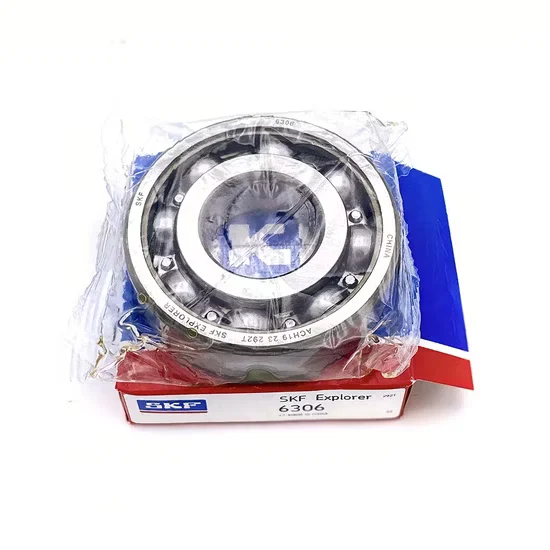
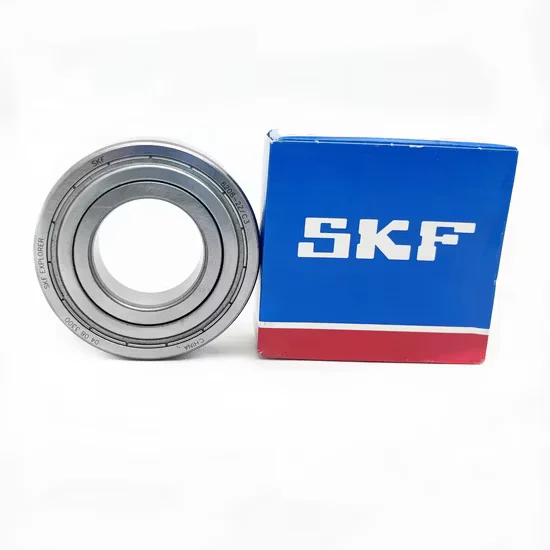
The SKF 6306-2Z/C3 is a deep groove ball bearing with an inner diameter of 30 mm, outer diameter of 72 mm, and width of 19 mm, featuring dual metal shields (2Z) for contamination protection and C3 radial internal clearance to accommodate thermal expansion in high-temperature or high-speed applications. Sourcing genuine units requires verifying ISO 492 dimensional tolerances and demanding full traceability documentation to avoid counterfeit failures common in mixed-brand spot markets.
I still remember the smell of burnt oil in a motor factory in Binh Duong Province. A batch of reducers, fresh off the assembly line, seized during the initial run-in cycle. The culprit was not a design flaw but a batch of unverified bearings labeled as premium stock. The maintenance team had assumed that standard clearance would suffice, ignoring the heat generated by the gear meshing. That failure taught me that specifications on paper mean nothing if the physical unit does not match the application’s thermal reality. In global trade, the gap between a datasheet and a delivered box is where most downtime originates.
What Are the Core Dimensions and Specs of SKF 6306-2Z/C3?
Exact dimensions are the baseline, but tolerance class defines fit.
For any MRO operator or OEM buyer, the starting point is the physical envelope. The SKF 6306-2Z/C3 follows the ISO 15:2017 standard for boundary dimensions. However, merely knowing the size is insufficient. The critical differentiator lies in the internal geometry and shielding configuration.
| Parameter | Specification | Standard Reference |
|---|---|---|
| Bore Diameter (d) | 30 mm | ISO 15 |
| Outer Diameter (D) | 72 mm | ISO 15 |
| Width (B) | 19 mm | ISO 15 |
| Shielding Type | 2Z (Non-contact metal shields on both sides) | SKF Designation System |
| Internal Clearance | C3 (Greater than normal) | ISO 5753 |
| Tolerance Class | Normal (PN/P0) | ISO 492 |
The "2Z" designation indicates non-contact metal shields. Unlike rubber seals (2RS), these shields do not touch the inner ring raceway, resulting in lower friction and higher speed capability. However, they offer less protection against liquid ingress compared to contact seals. The "C3" suffix denotes radial internal clearance greater than normal. This is not a measure of quality but a functional adjustment.
A common mistake in procurement is ordering standard clearance (CN) for applications involving significant temperature differentials. When a shaft heats up, it expands. If the bearing has no room to accommodate this expansion, the rolling elements bind against the raceways, leading to rapid temperature rise and eventual seizure. The C3 clearance provides this necessary operational space.
How Do C3 Clearance and 2Z Shields Impact High-Temp Performance?
C3 prevents binding; 2Z retains grease while minimizing drag.
Understanding the interaction between clearance and shielding is vital for high-performance machinery. In many industrial settings, such as cement mills or steel plant conveyors, ambient temperatures are high, and operational heat adds to the stress.
The C3 clearance is often misunderstood as a feature for higher rotational speeds alone. While it does allow for higher speeds by reducing friction from thermal expansion, its primary role is safety against seizure. When a bearing operates, the inner ring typically runs hotter than the outer ring. This differential causes the inner ring to expand more, effectively reducing the internal clearance. If the initial clearance is only standard (CN), this thermal expansion can eliminate the clearance entirely, turning the bearing into a solid block of metal grinding against itself.
The 2Z shields complement this by retaining the lubricant. In dusty environments, open bearings fail quickly due to abrasive particle ingress. Rubber seals provide better sealing but generate more heat due to friction. Metal shields strike a balance, offering adequate protection against large particles while keeping friction low. This makes the SKF 6306-2Z/C3 ideal for electric motors, gearboxes, and pumps where moderate contamination exists but high-speed operation is required.
However, if the environment involves washdowns or heavy liquid spray, the 2Z shield is insufficient. In such cases, a sealed variant might be preferable, but at the cost of speed and temperature limits. For most general industrial applications, the 2Z/C3 combination remains the robust default.
How to Verify Genuine SKF 6306-2Z/C3 and Avoid Counterfeits?
Traceability documents are more valuable than the box itself.
The market for popular bearings like the 6306 series is flooded with counterfeits. These units often look identical to the naked eye but fail under load due to substandard steel or poor heat treatment. I have seen incoming inspection batches where half the units had rough surface finishes on the raceways, a clear sign of inferior manufacturing.
Verifying authenticity requires a multi-layered approach. First, check the packaging. Genuine SKF products come in specific packaging with holographic labels and unique identification codes. Second, inspect the bearing itself. The laser etching on the shield should be crisp and uniform. Blurry or uneven marking is a red flag. Third, and most importantly, demand traceability documentation.
| Verification Step | Genuine Indicator | Counterfeit Warning |
|---|---|---|
| Packaging | Holographic seal, correct font, batch number | Flimsy cardboard, spelling errors, missing batch info |
| Marking | Crisp laser etching, consistent depth | Faded, uneven, or stamped markings |
| Surface Finish | Smooth, polished raceways | Rough, visible tool marks, discoloration |
| Documentation | Full traceability chain, material certs | Missing docs, generic invoices, no batch trace |
Without proper documentation, you cannot verify the origin of the steel or the heat treatment process. In my experience, suppliers who hesitate to provide batch-specific traceability are often mixing remanufactured units with new ones. This practice is dangerous for critical applications.
When sourcing from a global supplier, ensure they can provide proof of origin. This is not just about brand loyalty; it is about risk management. A failed bearing in a critical reducer can halt production for days, costing far more than the price difference between a genuine and a fake unit.
Why Choose a Consolidated Supplier for Mixed-Batch Sourcing?
One-stop sourcing reduces administrative overhead and ensures consistency.
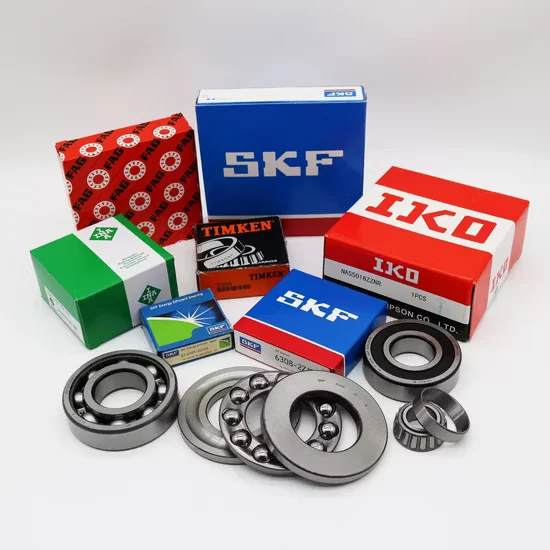
For MRO operators and distributors, managing multiple brands and sizes is a logistical nightmare. Ordering emergency spares from various official channels often leads to long lead times and inconsistent documentation. A consolidated supplier offers a solution by stocking genuine products from multiple premium brands, including SKF, FAG, NSK, and others.
This approach allows buyers to mix brands and sizes in a single shipment, optimizing shipping costs and simplifying customs clearance. For urgent breakdowns, having access to a large spot inventory means reducing downtime from weeks to days. Instead of waiting for a single brand’s distribution center to process an order, a consolidated supplier can ship available genuine stock immediately.
Moreover, a reputable consolidated supplier provides technical support for cross-brand equivalents. If a specific SKF model is out of stock, they can recommend a verified alternative with matching dimensions and load ratings, ensuring the machine keeps running. This flexibility is crucial for maintaining operational continuity in diverse industrial sectors.
The key is to choose a supplier who prioritizes traceability and quality assurance over mere volume. They should act as a technical partner, helping you select the right bearing for your application rather than just filling an order.
Conclusion
Correct specification and verified authenticity prevent catastrophic failure.
Mastering the specs of the SKF 6306-2Z/C3 involves more than memorizing dimensions. It requires understanding how C3 clearance mitigates thermal expansion and how 2Z shields balance protection with performance. Sourcing these units demands rigorous verification through traceability documentation to avoid the high costs of counterfeit failures. By partnering with a consolidated supplier who offers genuine stock and technical expertise, buyers can ensure reliability and efficiency in their maintenance operations.
Related Applications
This article connects to the application areas below. Open one to see the bearing categories used there.