SKF 61804-2RS1 Bearing Wholesale Supplier for Bulk Orders
- Product & Series Guides
- Sep 16, 2026
- author
Most buyers focus on the outer diameter, but the seal is what actually keeps the motor running.
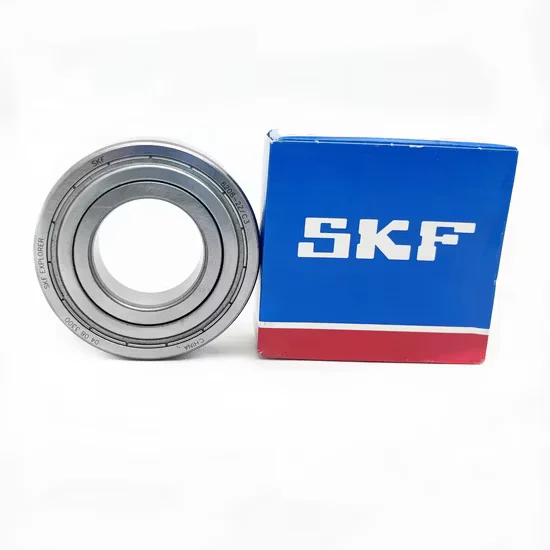
The SKF 61804-2RS1 specs define a thin-section deep groove ball bearing with an inner diameter of 20 mm, an outer diameter of 32 mm, and a width of 7 mm. It features RS1 seals on both sides, which are critical for retaining lubrication in high-speed applications while protecting against contamination. For bulk procurement, verifying these dimensions against ISO standards and confirming the authenticity of the RS1 sealing material are the primary steps to preventing premature failure in precision machinery.
I still remember the silence in the assembly hall after we realized the entire batch of spindle motors had failed their noise test. The culprit was not the steel quality or the raceway geometry, but the seal. We had sourced a look-alike bearing that matched the SKF 61804-2RS1 dimensions perfectly on paper, but under sustained high RPM, the seal lip could not handle the centrifugal force. The grease leaked out, the temperature spiked, and the bearings seized within hours. That incident shifted my focus from simple dimensional matching to a deeper understanding of how seal design interacts with operational limits.
Understanding the technical backbone of this component is essential for any procurement strategy that aims to balance cost with reliability.
What Key Parameters Define the 61804-2RS1 Dimensional and Load Matrix?
The physical footprint is small, but the load capacity requires precise interpretation.
When sourcing this bearing, the first step is to confirm the basic boundary dimensions. The SKF 61804-2RS1 specs list a bore of 20 mm, an outside diameter of 32 mm, and a width of 7 mm. This thin cross-section is designed to save space and reduce weight, which is why it is prevalent in electric motors, robotics, and medical equipment. However, the thin walls mean that the bearing is more sensitive to housing fit and shaft alignment than standard series bearings.
The load ratings are another critical factor. While the static load rating might seem sufficient for many applications, the dynamic load rating must be evaluated against the actual operating speed. In high-speed scenarios, the effective life of the bearing drops significantly if the load exceeds a certain threshold relative to the speed.
| Parameter | Specification Detail | Verification Method |
|---|---|---|
| Inner Diameter | 20 mm | Caliper measurement at multiple points |
| Outer Diameter | 32 mm | Micrometer check for roundness |
| Width | 7 mm | Depth gauge or micrometer |
| Seal Type | RS1 (Contact seal on both sides) | Visual inspection of seal lip profile |
| Clearance | Normal (CN) or C3 | Feeler gauge or specialized clearance tester |
A buyer once shared a case where a batch of bearings caused vibration issues in a conveyor system. The dimensions were correct, but the internal clearance was inconsistent. Some bearings had tight clearance, leading to heat generation, while others were too loose, causing noise. By implementing a strict incoming inspection protocol that checks not just the SKF 61804-2RS1 dimensions but also the radial play, they eliminated the variability.
The key takeaway is that dimensional accuracy is the baseline, not the finish line. Consistency in internal geometry is what separates a reliable component from a potential liability.
What Are the Physical Limits of RS1 Seal Design in High-Speed Conditions?
The seal is a compromise between protection and friction, and pushing it beyond its limit causes failure.
The RS1 designation refers to a specific type of contact seal made from NBR (Nitrile Butadiene Rubber) reinforced with a steel plate. This design provides excellent protection against dust and moisture while retaining grease. However, the contact nature of the seal generates friction, which leads to heat buildup.
In high-speed applications, such as the spindles I dealt with in my early career, the temperature rise can be significant. If the operating temperature exceeds the limit of the NBR material, the seal hardens and loses its elasticity. Once the seal hardens, it can no longer follow the microscopic imperfections of the rotating inner ring, leading to gaps where grease escapes and contaminants enter.
The typical operating temperature range for standard NBR seals is limited. Exceeding this range accelerates aging.
| Operational Factor | Impact on RS1 Seal | Mitigation Strategy |
|---|---|---|
| High Speed | Increased friction and heat | Monitor temperature; consider non-contact seals if speed is extreme |
| High Temperature | Seal hardening and cracking | Verify ambient temperature stays within material limits |
| Contaminant Load | Seal lip wear | Ensure proper housing shielding |
| Grease Compatibility | Seal swelling or shrinkage | Use compatible lithium-based greases |
A European automation manufacturer faced repeated failures in their robotic arms. The root cause was traced back to the seal material degrading due to unexpected heat buildup in the enclosed joint. Switching to a bearing with a higher temperature-resistant seal material solved the issue, but it required a complete re-evaluation of their SKF 61804-2RS1 specs requirements.
Understanding these limits helps in selecting the right bearing for the right application. It is not just about whether the bearing fits, but whether it can survive the environment.
How to Verify Authenticity and Clearance of Thin Section Deep Groove Bearings?
Visual inspection is insufficient; traceability and measurement are the only reliable proofs.
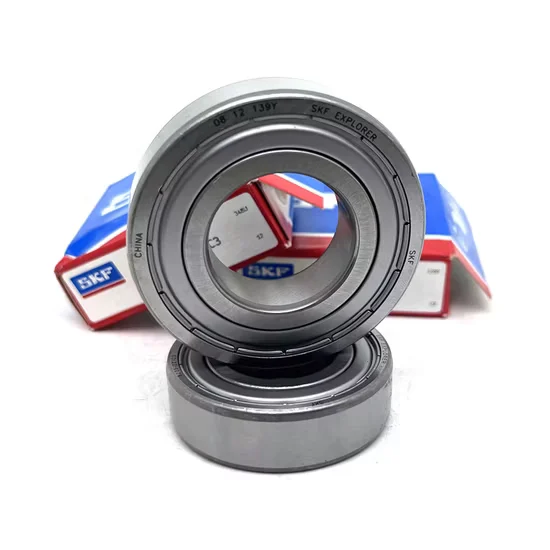
The market is flooded with counterfeit bearings that look identical to the genuine article. The packaging might be perfect, and the laser etching on the ring might look sharp, but the internal quality is often substandard. To verify authenticity, one must rely on documentation and physical testing.
First, check the traceability codes. Genuine products come with batch numbers that can be traced back to the manufacturing facility. Second, measure the radial clearance. Counterfeit bearings often have inconsistent clearance, which affects performance. Using a professional clearance tester can reveal these discrepancies quickly.
| Verification Step | Action Required | Expected Outcome for Genuine Product |
|---|---|---|
| Packaging Check | Inspect print quality and box structure | High-quality printing, sturdy box with correct labeling |
| Marking Inspection | Check laser etching clarity and depth | Clear, uniform etching with correct font |
| Traceability Code | Cross-reference batch number with supplier | Valid code linked to manufacturing data |
| Radial Clearance | Measure with specialized tool | Consistent clearance within specified tolerance |
| Rotation Smoothness | Manual rotation test | Smooth, quiet rotation without grittiness |
A distributor in Southeast Asia reported a surge in customer complaints about noisy bearings. Upon investigation, they found that the supplier had mixed genuine stock with lower-quality alternatives. By implementing a strict verification process that included checking the SKF 61804-2RS1 specs against the physical product and demanding full traceability documents, they were able to filter out the fake units.
Relying on price alone is a risky strategy. Investing in verification processes protects your reputation and ensures that your customers receive products that perform as expected.
How to Balance Cost and Downtime Risk When Bulk Purchasing 61804-2RS1?
The cheapest unit price often carries the highest total cost of ownership.
Procurement decisions should not be based solely on the initial purchase price. The cost of downtime, replacement labor, and potential damage to other components can far exceed the savings from buying cheaper bearings. A balanced approach involves sourcing from suppliers who offer genuine products with complete traceability, even if the unit price is slightly higher.
Building a relationship with a supplier who understands the technical requirements of your application is crucial. They can provide insights into alternative solutions if the standard SKF 61804-2RS1 specs do not fully meet your needs. For instance, if speed is a critical factor, they might suggest a bearing with a different seal type or clearance class.
| Procurement Strategy | Short-Term Impact | Long-Term Impact |
|---|---|---|
| Lowest Price Sourcing | Reduced initial cost | Higher risk of failure and downtime |
| Verified Genuine Sourcing | Higher initial cost | Reduced downtime and maintenance costs |
| Mixed-Batch Sourcing | Flexible inventory management | Potential consistency issues if not managed well |
| Single-Source Sourcing | Simplified logistics | Vulnerability to supply chain disruptions |
A mining operation in Africa experienced frequent conveyor belt stoppages due to bearing failures. They switched to a supplier who provided verified genuine bearings with full documentation. Although the unit cost increased, the overall maintenance cost decreased significantly because the bearings lasted much longer.
The goal is to minimize the total cost of ownership, not just the purchase price. This requires a holistic view of the supply chain and a commitment to quality.
Conclusion
Authenticity and technical fit matter more than the lowest bid.
Sourcing the SKF 61804-2RS1 specs correctly involves more than just matching numbers. It requires understanding the limitations of the RS1 seal, verifying the authenticity through traceability, and balancing cost against the risk of downtime. By focusing on these aspects, buyers can ensure reliable performance and long-term value for their operations.
Related Applications
This article connects to the application areas below. Open one to see the bearing categories used there.