Genuine Bearings for Vacuum Cleaner Motors: Wholesale Supplier
- Applications & Industries
- Sep 16, 2026
- author
Identical appearance does not guarantee identical performance.
Vacuum cleaner motors demand ultra-high speed and precision; selecting genuine, traceable deep groove ball bearings is critical to prevent catastrophic failures. Substandard units with micro-clearance deviations lead to high-temperature cage disintegration, resulting in costly warranty claims and brand reputation damage that far outweigh initial savings.
The smell of burnt insulation still lingers in my memory from a workshop in Riyadh. A client pointed at a pile of seized vacuum cleaner motors, furious because the bearings looked exactly like the premium brands he had ordered. They ran for less than three months before locking up, emitting noise comparable to a tractor engine. Having spent years in quality control focusing on radial clearance and vibration values, I recognized the issue immediately. The external dimensions were perfect, but the internal geometry was flawed. In high-speed applications, a variance of just a few microns in clearance causes the cage to disintegrate under thermal stress. This experience reinforced a hard truth: in the market for bearings in vacuum cleaner motors, authenticity and traceability are not optional features but survival requirements.
Understanding why these components fail *ysis details the technical demands of vacuum motor applications, common failure modes of counterfeit parts, and how to verify authenticity in global supply chains.
Why Do Vacuum Cleaner Motors Require Specialized Bearings?
High rotational speeds create extreme thermal and mechanical stresses that standard industrial bearings cannot withstand.
Vacuum cleaner motors typically operate between 20,000 and 30,000 RPM. At these speeds, the bearing elements experience significant centrifugal forces and heat generation. Standard deep groove ball bearings designed for low-speed agricultural or general industrial use lack the necessary precision and material purity to survive this environment.
The primary challenge is heat management. As the motor spins, friction generates heat within the bearing assembly. If the radial clearance is incorrect, the balls expand and seize against the races. Genuine manufacturers specify precise clearance classes, such as C3 or C4, to accommodate thermal expansion while maintaining structural integrity. Using a bearing with standard clearance (C0) in a high-speed vacuum motor often leads to premature seizure.
Furthermore, vibration control is paramount. High-frequency vibrations accelerate fatigue in the raceways and rolling elements. Premium bearings for these applications undergo strict vibration testing, often classified as Z1V1 or higher, ensuring smooth operation and reduced noise levels. Without this level of precision, the motor produces audible noise complaints from end-users, leading to returns and negative reviews.
What Are the Common Failure Modes of Substandard Bearings?
Noise and sudden seizure are the primary indicators of counterfeit or low-quality bearing failure in high-speed motors.
When substandard bearings are installed in vacuum cleaners, the failure mode is rarely gradual wear. Instead, it is often catastrophic. The most frequent issue is cage disintegration. The cage, which separates and guides the balls, is subjected to immense stress at high RPMs. Counterfeit units often use inferior materials or poor manufacturing processes for the cage, causing it to crack or shatter under load. Once the cage fails, the balls cluster together, creating immediate lock-up and destroying the motor windings.
Another common failure is early-stage noise generation. Users report a grinding or whining sound shortly after purchase. This stems from surface imperfections on the raceways or inconsistent ball sphericity. In genuine products, these surfaces are polished to micron-level precision. In fake alternatives, rough surfaces create friction points that generate heat and noise, degrading the lubricant and accelerating wear.
| Failure Mode | Visual/Audible Symptom | Root Cause in Substandard Parts |
|---|---|---|
| Cage Disintegration | Sudden stop, metallic rattling | Inferior cage material, poor heat treatment |
| Raceway Spalling | Grinding noise, vibration | Surface roughness, contamination during assembly |
| Thermal Seizure | Motor overheating, burnt smell | Incorrect radial clearance, inadequate lubrication |
| Early Wear | Increased play, wobble | Low hardness steel, poor dimensional accuracy |
These failures do not just affect the component; they destroy the entire appliance. For distributors and OEMs, the cost of replacing a motor is negligible compared to the logistical expense of handling warranty claims and the long-term damage to brand trust.
How to Verify Bearing Authenticity and Traceability?
Documentation and physical inspection are the only reliable methods to distinguish genuine bearings from sophisticated counterfeits.
Counterfeiters have become adept at replicating packaging and laser markings. A box may look authentic, and the bearing may carry the correct brand logo, but the internal quality remains suspect. Verification must go beyond visual checks of the exterior. The first step is requesting full traceability documentation. Genuine suppliers provide certificates of origin and material test reports that link the specific batch number to the manufacturer’s production records.
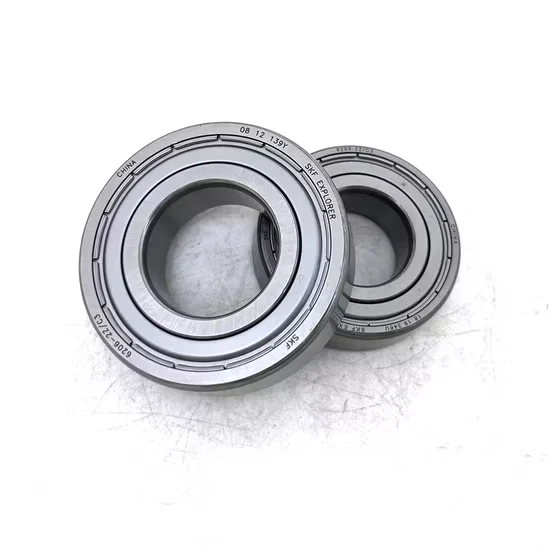
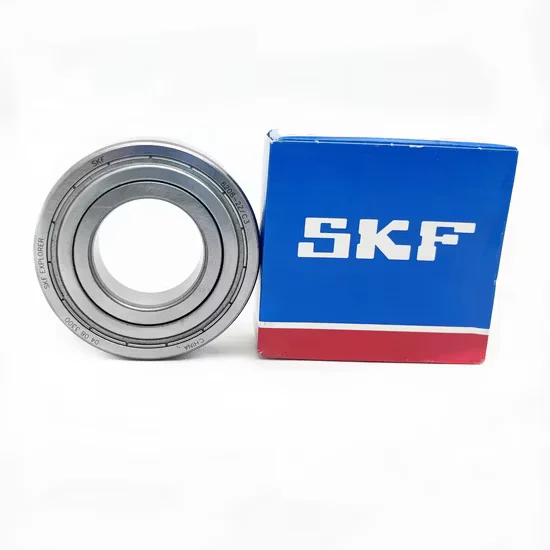
Physical inspection also reveals telltale signs. Genuine bearings from brands like SKF, NSK, or FAG exhibit consistent laser etching that is crisp and deeply engraved. Counterfeit marks are often shallow, uneven, or easily rubbed off. The packaging itself should include security features such as holographic labels or QR codes that link to the manufacturer’s verification portal. However, even these can be faked, so relying solely on packaging is risky.
A more robust method is sampling and testing. For large orders, sending random samples to an independent lab for hardness testing and dimensional verification can expose discrepancies. Genuine bearings adhere to strict ISO tolerance classes. Deviations in outer diameter, inner diameter, or width, even within seemingly acceptable limits, can indicate non-standard manufacturing processes.
Which Bearing Types and Brands Suit Vacuum Motors?
Deep groove ball bearings from established global brands offer the necessary precision and reliability for high-speed vacuum applications.
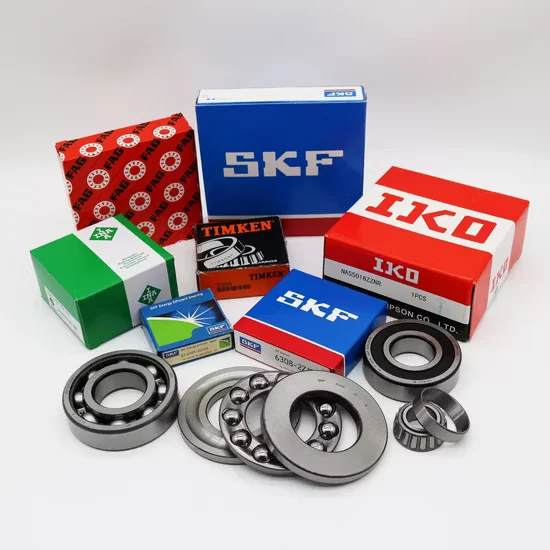
For vacuum cleaner motors, deep groove ball bearings are the standard choice due to their ability to handle high radial loads and moderate axial loads at high speeds. Brands such as SKF, NSK, NTN, and FAG have dedicated product lines for electric motors, featuring optimized internal geometries and high-quality steel alloys. These bearings are designed to minimize friction and maximize service life under continuous high-speed operation.
Domestic Chinese brands like ZWZ, HRB, and LYC also produce reliable options for cost-sensitive applications, provided they are sourced through authorized channels to ensure consistency. The key is not just the brand name but the specific series and grade selected. For instance, choosing a bearing with a C3 clearance and Z1V1 vibration rating is essential for vacuum motors, regardless of the brand.
Sourcing these components requires a supplier who understands these technical nuances. A generic industrial supplier may offer "deep groove ball bearings" but fail to specify the clearance or vibration class, leading to mismatched applications. Specialized suppliers maintain inventory of these specific grades and can provide technical support to ensure the correct part is selected for the motor design.
Conclusion
Authenticity and precision are non-negotiable for vacuum cleaner motor longevity.
Selecting the right bearings in vacuum cleaner motors involves more than matching part numbers; it requires verifying traceability, understanding clearance specifications, and sourcing from reputable suppliers. Counterfeit parts may offer short-term cost savings but inevitably lead to higher long-term expenses through failures and reputational damage. Prioritizing genuine, documented components ensures reliability and protects brand integrity in a competitive market.