SKF vs NTN for Gearbox OEMs: Genuine Wholesale Supplier
- Brands & Alternatives
- Sep 15, 2026
- author
Most gearbox failures stem from undocumented batch substitutions, not load miscalculations.
When selecting between SKF and NTN for gearbox OEMs, verifying original traceability documents and customs consistency is the ultimate baseline to prevent catastrophic failures. Dimensional specs are merely the entry ticket; authenticity is the operational guarantee.
In my early days handling documentation and customs clearance in Dongguan, I viewed paperwork as a bureaucratic hurdle. That perspective shifted abruptly when I managed procurement for an industrial gearbox OEM client. They ordered a batch of NTN cylindrical roller bearings, but upon arrival, the customs batch numbers did not match the original material certificates. During run-in testing, the bearing cages fractured, causing the entire gearbox assembly to be scrapped. The resulting claim risk was severe. Since then, I have focused intensely on genuine traceability and document consistency. For any SKF vs NTN for Gearbox OEMs comparison, the primary concern is not just which brand performs better in a catalog, but whether the supplied batch is 100% genuine and fully traceable.
This guide moves beyond basic specification sheets to address the hidden risks in global sourcing. It provides a framework for verifying authenticity and ensuring that your procurement process protects your manufacturing line from counterfeit or mixed-batch failures.
SKF vs NTN: Core Specs for Gearbox Applications
Understanding the technical distinctions between these two premium brands is essential for appropriate application selection. While both manufacturers produce high-quality bearings suitable for industrial gearboxes, their design philosophies and material treatments offer different advantages depending on the operating environment.
SKF is often recognized for its advancements in high-precision manufacturing and specialized steel cleanliness. Their bearings frequently feature controlled nitrogen infusion in the steel structure, which enhances resistance to surface distress and extends service life under contaminated lubrication conditions. This makes them a preferred choice for high-speed gearbox applications where precision and reliability are critical.
NTN, conversely, has built a strong reputation for robust load capacity and durability in heavy-duty reducers. Their cylindrical roller bearings are engineered to handle significant radial loads, making them ideal for mining and construction machinery gearboxes. The cage designs often utilize brass or polyamide materials, selected based on the specific speed and temperature requirements of the application.
| Feature | SKF Characteristics | NTN Characteristics |
|---|---|---|
| Precision Focus | High-precision tolerances, often reaching P5 class | Robust dimensional stability for heavy loads |
| Material Treatment | Controlled nitrogen infusion for surface durability | Standard high-grade bearing steel with rigorous quality control |
| Cage Options | Brass, polyamide, and steel variants available | Brass and polyamide common in cylindrical series |
| Primary Strength | Contaminated lubrication resistance, high-speed stability | Heavy radial load capacity, shock load resistance |
| Typical Application | High-speed industrial gearboxes, wind turbine main shafts | Heavy-duty reducers, mining crushers, construction equipment |
A European wind farm operator once faced premature failures in their main shaft gearboxes. After switching from a generic alternative to SKF bearings with verified traceability, the maintenance intervals extended noticeably. The key was not just the brand, but the assurance that every bearing met the specified P5 precision class without deviation.
When evaluating SKF vs NTN for Gearbox OEMs, it is crucial to align the bearing characteristics with the specific demands of your gearbox design. Do not assume one brand is universally superior; instead, match the technical strengths to your operational profile.
The Hidden Risk: Why Traceability Beats Specs
Most engineers assume that bearing failure is due to load mismatch or lubrication issues. However, a significant portion of premature failures in OEM assemblies results from undocumented batch substitutions or counterfeit parts entering the supply chain.
I recall a case involving a Middle East steel mill that sourced bearings for their rolling mill gearboxes. The procurement team focused solely on price and dimensional accuracy. They received bearings that matched the part numbers perfectly. However, during operation, the bearings failed within months. Upon investigation, it was revealed that the batch had been substituted with lower-grade materials during transit. The customs declaration did not match the original manufacturer’s batch records. This discrepancy meant there was no way to verify the heat treatment or steel quality.
Traceability documents serve as the DNA of the bearing. They link the physical product to the manufacturer’s production facilities and quality control records. Without this chain of custody, you are essentially gambling with your equipment’s reliability.
Common red flags in traceability include:
- Mismatched batch numbers between the bearing packaging, the certificate of conformity, and the customs declaration.
- Missing or altered material certification details.
- Inconsistent font or printing quality on the laser markings.
For any serious SKF vs NTN for Gearbox OEMs decision, the ability to provide full chain of custody documents is non-negotiable. A supplier who cannot produce these documents immediately should be considered a high-risk partner. The cost of a single gearbox failure far outweighs the savings from a cheaper, unverified source.
How to Verify Genuine Bearings in Procurement
Verifying the authenticity of bearings requires a systematic approach that goes beyond visual inspection. Here is a step-by-step method to ensure you are receiving genuine products.
- Check Batch Numbers: Every genuine bearing has a unique batch number laser-marked on the ring or packaging. Cross-reference this number with the certificate of conformity provided by the supplier. The numbers must match exactly.
- Verify Origin Documents: Request the original certificate of origin and the material test report. These documents should bear the official stamp of the manufacturer or their authorized distributor. Check for any signs of alteration or inconsistency in dates and references.
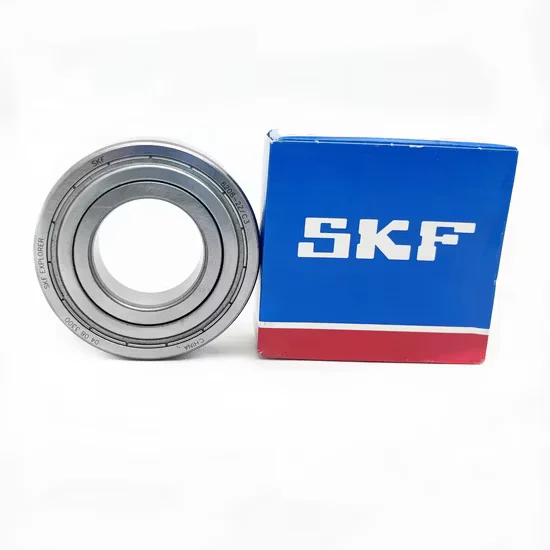
- Inspect Packaging Consistency: Genuine SKF and NTN bearings come in high-quality packaging with specific security features. Look for holographic labels, precise printing, and robust box construction. Counterfeit packaging often exhibits poor print quality, misspelled words, or flimsy materials.
- Confirm Customs Declaration: Ensure that the description and batch numbers on the customs declaration match the commercial invoice and the physical goods. Discrepancies here are a major indicator of parallel imports or mixed batches.
A US buyer once procured a container load of bearings for agricultural machinery. By implementing this verification process, they identified a discrepancy in the batch numbers of one pallet. The supplier could not provide the corresponding material certificate. The pallet was returned, preventing potential field failures across their entire fleet.
This verification process is critical when navigating the SKF vs NTN for Gearbox OEMs landscape. It ensures that the technical specifications you rely on are actually present in the delivered product.
One-Stop Sourcing for Mixed-Brand Gearbox Projects
Modern gearbox designs often incorporate bearings from multiple brands to optimize performance and cost. An OEM might specify SKF for high-speed stages and NTN for heavy-load sections. Managing these mixed-brand requirements can be complex, especially when dealing with multiple suppliers.
Consolidating your sourcing through a single partner who specializes in genuine multi-brand supply simplifies this process. It reduces administrative overhead, ensures consistent documentation standards, and allows for better negotiation on pricing and lead times.
Key benefits of a consolidated approach include:
- Unified Traceability: All bearings, regardless of brand, come with a consistent set of traceability documents. This simplifies audits and quality control checks.
- Flexible MOQ: Mixed-brand packages allow for smaller minimum order quantities per item, reducing inventory holding costs while maintaining project flexibility.
- Technical Support: A knowledgeable supplier can provide cross-brand equivalent model consultation, helping you identify suitable alternatives if a specific part is unavailable.
When considering SKF vs NTN for Gearbox OEMs, remember that the choice does not have to be exclusive. A strategic sourcing partner can help you integrate both brands seamlessly into your supply chain, ensuring authenticity and reliability for every component.
Conclusion
Authenticity is the foundation of reliability in gearbox manufacturing.
Selecting between SKF and NTN requires a focus on more than just technical specifications. Verifying traceability documents and ensuring customs consistency are critical steps to prevent costly failures. By prioritizing genuine sourcing and rigorous verification, OEMs can protect their reputation and ensure the long-term performance of their equipment. Navigating the SKF vs NTN for Gearbox OEMs decision with a focus on documentation and authenticity guarantees a safer, more reliable supply chain.
Related Applications
This article connects to the application areas below. Open one to see the bearing categories used there.