
Angular Contact Ball Bearings
SKF ball, roller and mounted bearings for machine builders, distributors and project buyers

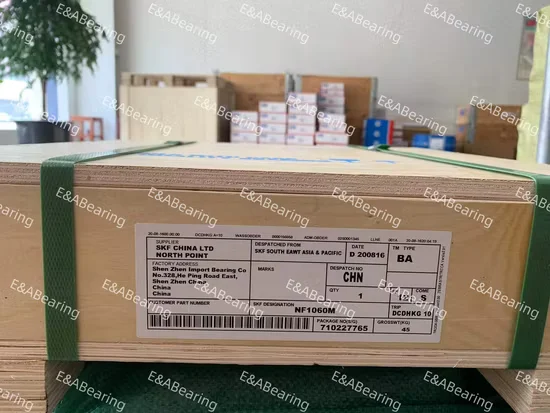

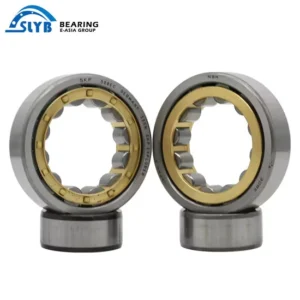
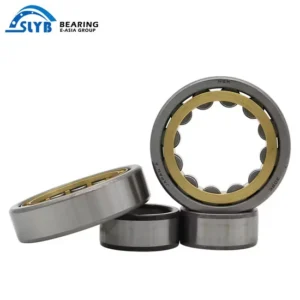
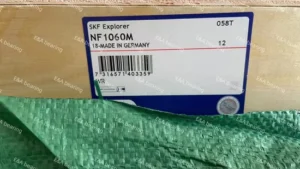
SKF Lyr139 NF1060 Single Row Cylindrical Roller Bearing P5 C3
Product Details
Cross-Reference Dimensional Alignment — verifying bore, outside diameter, and C3 clearance equivalence across global catalogs before dispatching this specific unit.
| Parameter | Value |
|---|---|
| Designation | SKF Lyr139 NF1060 |
| Bearing Type | Cylindrical Roller Bearing |
| Material | Chrome Steel |
| Precision Class | P5 |
| Clearance Class | C3 |
| Cage Material | Steel, Nylon, Brass |
| Precision (Vibration/Noise) | Z1V1, Z2V2, Z3V3 |
| Certification | ISO9001, TS16949, ISO9006, QS9000, VDA6.1 |
| Origin | China, Japan, Sweden |
| Industry | Typical Applications |
|---|---|
| Automotive | Auto clutch release mechanisms, manual transmission main shafts |
| Electrical | Precision instrumentation rotating assemblies |
Thermal expansion mismatch and incorrect internal clearance destroy the raceway long before the friction material wears out.
I learned this the hard way early in my career when a shipment of NF1060 bearings to Nigeria seized under high-temperature operating conditions. The internal clearance was specified as standard instead of C3, leaving no room for thermal expansion in the heavy-duty equipment. That single oversight caused catastrophic downtime, destroyed the surrounding transmission housing, and resulted in heavy financial penalties for our company. When dealing with automotive drivetrains, the friction generated during clutch engagement creates intense localized heat. If the internal gap is insufficient, the rolling elements expand and wedge tightly against the inner and outer rings. This metal-on-metal binding generates even more heat, creating a destructive feedback loop that ends in complete mechanical lockup. Understanding these thermal dynamics is absolutely critical when sourcing replacement components for demanding transmission applications.
Automotive transmissions subject release mechanisms to intense axial loads and rapid engagement cycles. Sourcing the correct SKF Lyr139 NF1060 cylindrical roller bearing requires matching the exact cage material and clearance to the specific OEM friction profile. Our engineering team cross-checks these parameters against mixed-brand packages to ensure smooth integration without compromising the original drivetrain tolerances. We understand that a slight deviation in dimensional accuracy can lead to excessive pedal travel or premature wear on the release fork. By carefully evaluating the specific torque characteristics and engagement frequencies of your application, we can supply a component that perfectly aligns with the mechanical demands of the clutch assembly, ensuring reliable power transfer and extended service intervals.
Clutch release environments combine high-speed rotation with severe thermal spikes during engagement. The internal clearance must accommodate these temperature surges to prevent the rolling elements from binding against the raceways. Lubrication breakdown is another critical risk, as extreme friction generates localized heat that degrades standard grease formulations, leading to increased friction and accelerated wear. Selecting the appropriate cage material becomes essential to maintain structural stability and reduce vibration under these punishing cyclic loads. Furthermore, the ingress of abrasive clutch dust can severely compromise the surface finish of the rolling elements if the sealing arrangement is inadequate. Maintenance teams must carefully consider these operational hazards to prevent unexpected failures that could strand a vehicle or halt a production line.
The C3 clearance class provides the necessary internal gap to absorb thermal expansion during rapid clutch engagement, preventing the catastrophic seizure I witnessed in the field. Precision class P5 ensures tighter dimensional tolerances, which directly translates to smoother clutch pedal feel and reduced drivetrain vibration. For the cage material, buyers can choose from steel, nylon, or brass variants depending on the specific friction and speed requirements of the transmission. Steel cages offer high structural rigidity for heavy-duty torque scenarios, while nylon variants reduce weight and operating noise. Brass cages provide superior thermal conductivity and wear resistance in high-speed, poorly lubricated conditions. The specified vibration and noise grades further refine the operational smoothness, ensuring that microscopic geometric deviations do not translate into audible cabin noise or tactile feedback through the shift lever.
Specifying a standard clearance instead of C3 in a high-temperature clutch environment inevitably leads to premature raceway spalling and complete mechanical lockup. Using an incompatible cage material accelerates fatigue, resulting in unplanned downtime and voided equipment warranties. According to failure mode classifications outlined in industry standards, thermal overstress accounts for a significant share of premature bearing failures in automotive drivetrains. These hidden costs far exceed the initial procurement savings of choosing an incorrectly specified replacement part. When a release bearing fails catastrophically, it often damages the clutch pressure plate, the flywheel surface, and the transmission input shaft seal, multiplying the repair costs and extending the vehicle's time off the road.
We maintain extensive spot inventory covering thousands of standard automotive part numbers, ensuring urgent maintenance requirements for clutch systems are met without extended lead times. Every unit we supply includes complete traceability documentation, eliminating the risk of receiving counterfeit or substandard components that could destroy a transmission. Our technical selection support helps buyers verify that the chosen cage material and C3 clearance strictly align with the original equipment specifications. We also offer flexible consolidation shipments, allowing you to mix this specific model with other premium global brands in a single container. Furthermore, our long-term after-sales technical support provides detailed failure analysis if unexpected wear patterns emerge during field operation, helping your maintenance team identify root causes and optimize future procurement strategies.
To ensure accurate technical review, please share the specific radial and axial loads, operating temperatures, and installation space constraints of your clutch assembly. Providing the original equipment manufacturer part numbers allows our engineering team to perform precise cross-reference checks and confirm the C3 clearance suitability. Detailing the environmental exposure, such as dust or moisture ingress, helps us recommend the optimal cage material and sealing configuration for your application. Supplying the exact engagement frequency and expected lifecycle requirements enables us to validate the selected vibration grade and ensure the component will withstand the rigorous demands of your specific drivetrain architecture.
Q: How does C3 clearance differ from standard clearance in auto clutch applications?
A: Standard clearance leaves minimal room for thermal expansion, which can cause the rolling elements to bind and seize under the intense heat generated during clutch engagement. The C3 clearance provides a larger internal gap, accommodating these temperature surges and ensuring smooth operation without catastrophic mechanical lockup in high-speed transmission environments.
Q: What is the operational difference between steel, nylon, and brass cages for this bearing?
A: Steel cages offer maximum structural rigidity for heavy-duty torque scenarios, while nylon variants reduce overall weight and minimize operating noise during rapid engagement cycles. Brass cages provide superior thermal conductivity and wear resistance, making them ideal for high-speed applications where lubrication might be compromised or temperatures fluctuate significantly.
Q: How can I verify the P5 precision and authenticity of the received components?
A: You can verify the authenticity by scanning the official QR codes on the packaging using the manufacturer's authentication application. Additionally, we provide detailed dimensional inspection reports that confirm the tight P5 tolerances and C3 clearance markings on the bearing rings, ensuring the component strictly matches the original equipment specifications.
Q: Why is vibration grade important for transmission and clutch bearings?
A: Vibration grades indicate the strictness of the manufacturing tolerances regarding surface finish and geometric accuracy. A higher vibration grade ensures smoother clutch pedal feel, reduces acoustic noise inside the vehicle cabin, and minimizes the micro-vibrations that can accelerate fatigue in the transmission shafts and surrounding drivetrain components over prolonged use.
Before You Enquire
A complete enquiry ties every price to the right execution, drawing and project stage. It also catches the sleeves and locking components that BOMs often leave out.
Send Your BOMSame Product Family
These bearings share a category with this model, so you can review them together when one BOM covers several lines.
Angular Contact Ball Bearings

Deep Groove Ball Bearings
Agricultural Machinery Bearings

Deep Groove Ball Bearings
Where It Fits
This bearing is listed for the applications below. Open each one to see the related product categories.
 Equipment Maintenance & Spare Parts Maintenance teams replace worn bearings in motors, fans, conveyors, pillow block supports, vehicles and field machinery, often while equipment is waiting to restart. Markings… Automotive Kits and Spare Parts · Clutch Release Bearings · Deep Groove Ball Bearings · Sealed and Shielded Bearings
 Machinery Parts Distribution Machinery parts distributors stock and resell standard bearings for general machinery, automotive and light-vehicle customers, often across many sizes on a single purchase list.… Ball Bearings · Roller Bearings · Sealed and Shielded Bearings · Inch Size Bearings
Technical Reading
These articles support bearing selection and specification checks for this product type.
Sep 16, 2026 · Applications & Industries
Prevent thermal seizure in bearings in textile spindles and rollers by matching C3 or C4 clearance to operating temperatures. Verify dynamic load ratings against…
Sep 16, 2026 · Applications & Industries
Secure genuine bearings for NEMA electric motors with complete traceability to prevent catastrophic production line failures caused by counterfeit parts. Learn to identify premature…
Sep 15, 2026 · Brands & Alternatives
Source Equivalent Bearings for OEM Spare Parts Lists by matching technical specifications like clearance and load ratings instead of rigid brand names. This cross-brand…
Häufig gestellte Fragen
The exact execution is confirmed before you accept a product quote. Share the BOM line and drawing revision. If the marking on an old bearing is incomplete, send a clear photo and note what still needs checking.
List each stage as its own quantity with its own required date. Prototype, production and spare quantities can then appear separately in one project quote, so planners can schedule each stage on its own timing.
State the BOM line, the drawing revision and whether alternatives are allowed. A separately identified alternative is settled before the product quote is accepted. Technical changes require buyer approval, so your design engineer keeps control of the specification.
Product documents are confirmed at the written quote stage, order by order. List the documents your project requires in your enquiry. Transport documents are confirmed with the shipping arrangements for the order.
Request a Quote
SKF Mechanical and Electrical Equipment supplies SKF ball, roller and mounted bearings to buyers worldwide. Your written quote states model, quantity, price and currency, availability, estimated lead time and validity.