Genuine SKF Bearings for Packaging Machine OEMs Wholesale Supplier
- Buying Guide
- Sep 15, 2026
- author
Higher load capacity does not mean better performance in high-speed packaging spindles.
Packaging machine OEMs must prioritize genuine SKF bearings with precise high-speed ratings and strict supply chain traceability to prevent unplanned downtime and counterfeit risks. Selecting the correct series based on DN value calculations and verifying laser-etched traceability codes are non-negotiable steps for reliable operation.
I still remember the call at 2 AM from a filler line in Suzhou. The main spindle had seized, stopping the entire production. When we opened the housing, the so-called imported bearing lacked the sharp, deep laser etching of a genuine unit. The steel surface showed micro-spalling consistent with poor material purity, not operational wear. That failure was not due to overload but to a counterfeit component that could not handle the thermal limits of continuous high-RPM rotation. This experience shaped my approach to sourcing genuine SKF bearings for packaging OEMs. I now inspect the machining marks and traceability docs before any box leaves the warehouse.
Selecting the right bearing is not just about matching dimensions. It requires understanding the specific thermal and vibrational stresses of packaging environments.
Why Do Packaging Machines Fail Prematurely with Standard Bearings?
Standard industrial bearings often fail in packaging applications due to excessive internal clearance and inadequate high-speed thermal management.
High-speed fillers and sealers operate under unique conditions. The primary enemy is not radial load but heat generation from friction at high rotational speeds. Many engineers assume a heavier-duty bearing will last longer. In reality, excessive internal clearance in high-speed packaging spindles causes fatal vibration and rapid temperature rise.
The DN value (bore diameter in mm multiplied by speed in RPM) dictates the lubrication and cage design required. Standard deep groove ball bearings with stamped steel cages may deform under the centrifugal forces of high-speed filling heads. Genuine units designed for these applications use machined brass or polymer cages that maintain integrity under thermal expansion.
I once reviewed a case where a beverage plant switched to standard C3 clearance bearings to save cost. Within months, the vibration levels spiked, leading to inconsistent fill volumes. The issue was not the brand but the specification. The standard clearance allowed too much play at operating temperature, creating micro-movements that degraded the raceway. Switching to a precision-grade series with controlled clearance resolved the vibration without changing the housing design.
When evaluating high-speed packaging machine bearings, always check the cage material and clearance class against the manufacturer’s DN limit charts. Ignoring these parameters invites premature failure regardless of the brand name on the box.
How to Compare SKF Bearing Series for Different Packaging Stations?
Different packaging stations require distinct bearing types based on load direction and speed requirements.
A single machine often contains multiple bearing applications, from high-speed rotary fillers to heavy-load conveyor rollers. Using a one-size-fits-all approach leads to inefficiencies. Below is a comparison of common bearing types used in packaging lines.
| Application Station | Primary Load Type | Speed Requirement | Recommended Bearing Type | Key Selection Criteria |
|---|---|---|---|---|
| Rotary Filler Spindle | Radial + Light Axial | Very High | Angular Contact Ball Bearing | Precision grade, machined cage, low friction |
| Conveyor Roller | Radial | Low to Medium | Deep Groove Ball Bearing | Sealing effectiveness, corrosion resistance |
| Capping Head | Combined | High | Angular Contact Ball Bearing | Rigidity, preload adjustment capability |
| Labeling Unit | Radial | Medium | Deep Groove Ball Bearing | Low noise, compact design |
| Palletizer Joint | Heavy Radial | Low | Spherical Roller Bearing | Misalignment tolerance, high load capacity |
In a recent project for a European confectionery producer, we replaced standard deep groove bearings in the capping station with angular contact units. The previous setup suffered from axial play during the torque-intensive capping process, causing misaligned caps. The angular contact design provided the necessary rigidity to handle the combined loads while maintaining high-speed rotation.
Sourcing SKF bearing selection guide for packaging equipment data helps match these types to specific station requirements. Do not rely solely on dimensional fit. Consider the dynamic load ratings and the specific motion profile of each station. A bearing that works perfectly on a slow-moving conveyor may fail catastrophically on a high-speed filler if the axial load capacity is insufficient.
Understanding these distinctions allows OEMs to optimize performance and reduce warranty claims. Each station has a unique mechanical signature that demands a tailored bearing solution.
What Are the Red Flags of Counterfeit SKF Bearings in OEM Sourcing?
Blurry laser etching and missing traceability documentation are the most immediate indicators of counterfeit products.
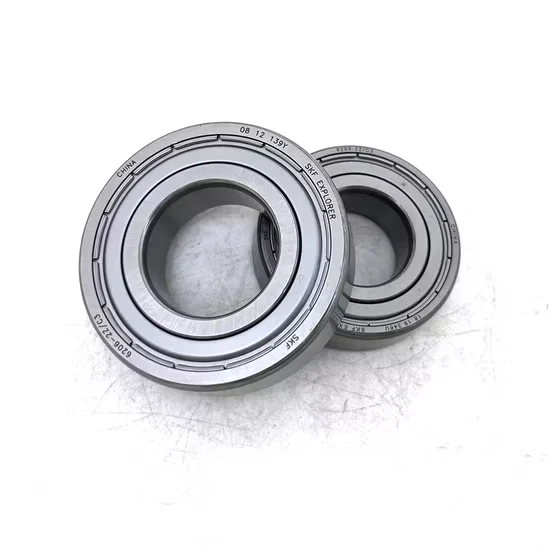
The market is flooded with fake bearings that look convincing at first glance. However, close inspection reveals critical flaws. Genuine SKF bearings feature sharp, deeply etched logos and batch codes that are resistant to wiping. Counterfeits often use shallow printing or stickers that fade or peel off during handling.
I recall auditing a batch of bearings purchased from a grey-market supplier. The boxes looked authentic, but the bearings inside lacked the proper laser-etched traceability codes. Upon testing, nearly half of the batch failed basic dimensional checks. The steel quality was inferior, leading to rapid wear under normal operating conditions.
Key red flags include:
- Poor Packaging: Flimsy boxes with misspelled words or low-resolution logos.
- Surface Finish: Rough raceways or visible machining marks that should have been polished.
- Missing Documentation: Lack of certificate of conformity or traceability documents linking the batch to the manufacturer.
- Price Anomalies: Prices significantly below market average without a clear explanation such as bulk volume discounts.
Many buyers believe cheaper batch prices save costs. Actually, counterfeit-induced line stoppages cost multiples of the initial bearing savings. A single hour of downtime on a high-speed packaging line can erase the savings from an entire year of purchasing cheap components.
When sourcing genuine SKF bearings for packaging OEMs, always request full traceability documentation. Verify the batch numbers against the manufacturer’s database if possible. Do not accept vague assurances of authenticity. The presence of proper documentation is a strong indicator of a legitimate supply chain.
How to Build a Resilient and Cost-Effective Bearing Supply Chain?
Flexible MOQs and consolidated shipping from authorized distributors stabilize OEM production schedules.
Relying on a single source or direct brand channels can lead to bottlenecks during peak demand. A resilient supply chain involves diversifying sources while maintaining strict quality controls. Working with a professional global supplier allows for mixed-brand and mixed-size orders, reducing inventory holding costs and improving cash flow.
For example, a Middle East packaging machinery manufacturer faced delays due to long lead times from direct brand channels. By switching to a consolidated sourcing model, they were able to order smaller batches of various bearing types in a single shipment. This flexibility reduced their inventory burden and ensured continuous production despite global supply chain disruptions.
Key strategies include:
- Consolidated Shipping: Combine orders for different bearing types and brands into single containers to reduce logistics costs.
- Flexible MOQs: Order exact quantities needed for specific projects rather than large minimum order quantities.
- Technical Support: Leverage supplier expertise for cross-brand equivalent model consultation and technical selection support.
- Spot Inventory: Utilize suppliers with massive spot inventory for urgent maintenance requirements to minimize downtime.
This approach not only reduces costs but also enhances supply chain visibility. With complete traceability documentation and ISO-compliant quality assurance, OEMs can ensure that every bearing installed meets the required standards. This reliability is crucial for maintaining customer trust and brand reputation in the competitive packaging machinery market.
Building such a supply chain requires partnership with suppliers who understand the specific needs of packaging OEMs. Look for partners who offer more than just products, providing technical guidance and flexible logistics solutions.
Conclusion
Authenticity and precision define reliability in packaging machinery.
Selecting the right bearings involves more than matching dimensions. It requires understanding high-speed dynamics, verifying traceability, and building a flexible supply chain. Prioritize genuine components with proper documentation to avoid costly downtime. Trust verified sources for genuine SKF bearings for packaging OEMs to ensure your machines run smoothly and efficiently.
Related Applications
This article connects to the application areas below. Open one to see the bearing categories used there.