Genuine Bearings for Washing Machine Drums | Wholesale Supplier
- Applications & Industries
- Sep 16, 2026
- author
Cheaper bearings often cost more in the long run.
Sourcing genuine, precision-grade washing machine drum bearings is the only reliable way to prevent catastrophic motor failures and excessive vibration in high-speed spin cycles. For B2B distributors, authentic traceability and strict adherence to clearance classes like C3 or C4 are non-negotiable requirements to ensure product reliability and protect brand reputation.
I still remember the video call from a parts distributor in Mexico. He had bypassed my recommendation for branded stock, opting for a batch of unbranded alternatives to save on unit cost. The footage he sent was chaotic: washing machines shaking violently as they hit 1200 RPM, followed by the distinct smell of burnt insulation. Within days, the bearings seized, taking the motors with them. The initial savings were wiped out by return shipping, replacement costs, and the loss of client trust. That incident reinforced a hard truth in our trade: in high-RPM applications, microscopic deviations in bearing geometry are not just technical details—they are the difference between a quiet appliance and a field failure.
Understanding why these components fail requires looking beyond simple lubrication issues. It demands a grasp of dynamic load ratings, seal integrity, and the severe operational environment inside a modern front-load washer.
Why Do Washing Machine Drum Bearings Fail Prematurely?
Water ingress and microscopic clearance deviations are the primary killers of drum bearings.
Many assume that bearing noise is simply a sign of dried-out grease. While lubrication loss is a factor, the root cause is often more complex. Washing machine drums operate under extreme conditions: high centrifugal forces, frequent thermal cycling, and constant exposure to moisture and detergents. When a bearing fails prematurely, it is usually due to a combination of seal degradation and inappropriate internal clearance.
In hard water regions, mineral deposits can accelerate the wear of rubber seals. Once the seal is compromised, water and corrosive agents enter the raceway. This leads to rust ingress, which acts as an abrasive paste, grinding away the precision surfaces of the balls and races.
However, even with perfect seals, a bearing can fail if the internal clearance is wrong. Standard bearings may not account for the thermal expansion and high centrifugal loads generated during spin cycles. If the clearance is too tight, the bearing overheats and seizes. If it is too loose, vibration increases, leading to premature fatigue. I have seen batches of substandard bearings where the dimensional tolerance deviated just enough to cause assembly line rejections or, worse, early customer returns. This inconsistency is a hallmark of non-genuine products.
For distributors, this means that selling washing machine drum bearings requires more than just matching part numbers. It requires verifying that the supplied units meet the specific dynamic load and clearance requirements of the application.
What Are the Technical Requirements for Drum Bearings?
High-speed stability and robust sealing are critical for drum bearing performance.
Washing machine drums are not low-speed industrial rollers. They must accelerate rapidly to high RPMs, often exceeding 1000 RPM in modern models. This places significant demand on the bearing’s dynamic load rating and its ability to maintain stability under centrifugal force.
The technical specifications for these bearings are stringent. Most front-load washers require deep groove ball bearings with specific clearance classes, typically C3 or C4. These wider clearances accommodate the thermal expansion and slight misalignments that occur during high-speed operation. Using a standard C0 clearance bearing in such an application is a recipe for rapid overheating and failure.
Seal type is another critical parameter. Double rubber seals (2RS) are standard to prevent water and detergent ingress. However, the quality of the rubber compound matters. Genuine bearings use materials resistant to chemical degradation from common laundry additives. Substandard seals may harden or crack within months, exposing the internal components to corrosion.
Grease compatibility is also vital. The lubricant must remain stable at high speeds and temperatures without breaking down or leaking. High-quality manufacturers use greases specifically formulated for high-RPM applications, ensuring long-term lubrication without churning losses.
| Feature | Genuine OEM-Grade Bearing | Substandard/Counterfeit Bearing |
|---|---|---|
| Clearance Class | Verified C3/C4 for high-speed stability | Often unspecified or incorrect C0 |
| Seal Material | Chemical-resistant rubber (2RS) | Basic rubber prone to hardening/cracking |
| Grease Quality | High-RPM stable formulation | Generic grease, prone to breakdown |
| Dimensional Tolerance | Micron-level precision, consistent batch | Variable tolerances, high rejection risk |
| Traceability | Full documentation, brand verification | No verifiable origin, packaging anomalies |
When sourcing washing machine drum bearings, buyers must request technical datasheets that confirm these parameters. Vague specifications are a red flag.
How to Identify Genuine vs. Substandard Bearings?
Traceability and packaging details are the first lines of defense against counterfeits.
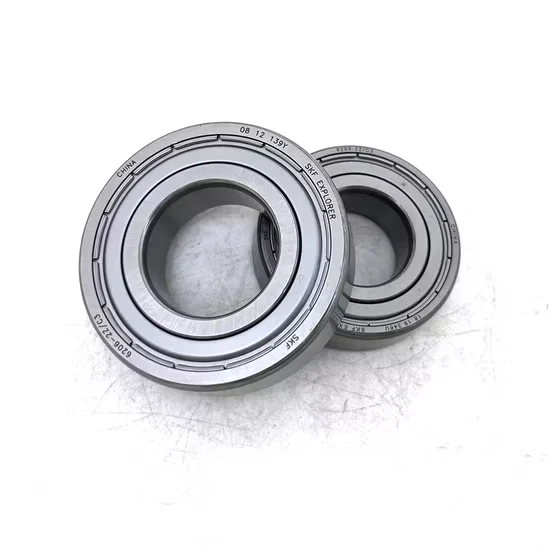
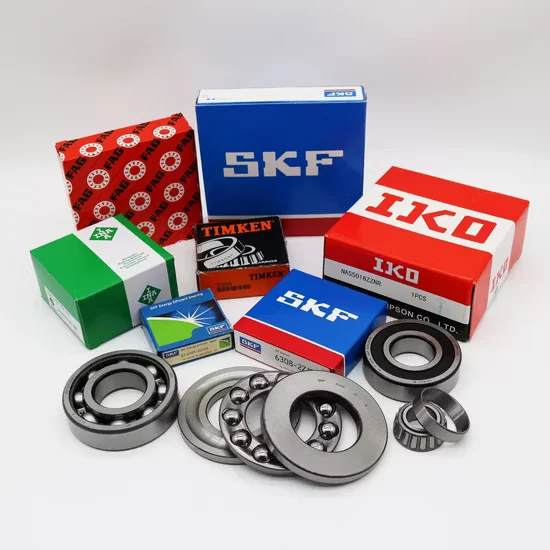
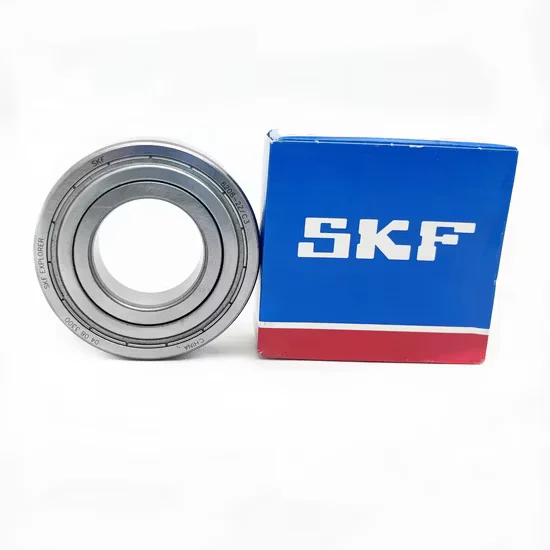
Identifying genuine bearings requires a keen eye for detail. Counterfeiters have become sophisticated, but they often cut corners in areas that are difficult to replicate perfectly. Start with the packaging. Genuine products from brands like SKF, FAG, NSK, or NTN come in high-quality boxes with clear printing, holographic labels, and batch codes that can be verified with the manufacturer.
Inspect the bearing itself. Genuine bearings have a smooth, uniform finish on the outer and inner rings. The laser-etched markings should be crisp and evenly spaced. Substandard units often have rough edges, inconsistent font sizes, or markings that can be rubbed off easily.
Dimensional checks are crucial for bulk orders. Randomly sample bearings from a batch and measure the outer diameter, inner diameter, and width. Genuine bearings will fall within strict tolerance limits. Significant deviations indicate poor manufacturing control.
Another telltale sign is the weight and feel. High-quality steel used in genuine bearings has a specific density and finish. Counterfeit units may use lower-grade steel, feeling lighter or having a rougher rotational feel. Spinning a genuine bearing should result in smooth, quiet rotation with no gritty sensation.
For wholesalers, establishing a supply chain with full traceability is essential. This means working with suppliers who can provide original mill certificates and proof of authorized distribution. Without this documentation, the risk of receiving substandard goods remains high.
What Is the True Cost of Cheap Bearings in B2B Sourcing?
Hidden costs from failures far exceed the initial price savings of low-quality parts.
The temptation to source cheaper washing machine drum bearings is strong, especially in competitive markets. However, the initial price difference is often negligible compared to the costs associated with failure. When a bearing fails in the field, the consequences are severe.
First, there is the cost of the replacement part and labor. But more significantly, a seized bearing often damages the motor and the drum spider. This turns a simple bearing replacement into a major repair, increasing the claim value substantially.
Logistics and warranty claims add another layer of expense. Returning defective goods, shipping replacements, and handling customer complaints consume time and resources. A single batch of failed bearings can damage a distributor’s reputation, leading to lost future business.
Consider the case of a European appliance repair network that switched to a lower-cost supplier. Initially, they saved on procurement. But within six months, warranty claims spiked. The cost of processing these claims, including technician visits and parts, exceeded the initial savings by a wide margin. They eventually returned to genuine sourced parts, recognizing that reliability is a key value proposition for their end-users.
For B2B distributors, the value proposition lies in offering reliability. Selling genuine washing machine drum bearings with full traceability allows you to justify premium pricing based on reduced risk and longer service life. It transforms the transaction from a commodity purchase to a partnership in quality assurance.
Conclusion
Reliability in washing machine drum bearings is non-negotiable for B2B success.
Sourcing genuine, precision-grade components ensures that appliances perform reliably under high-speed, heavy-load conditions. By focusing on traceability, technical specifications like C3/C4 clearance, and robust sealing, distributors can avoid the hidden costs of failure. Authenticity is not just a feature; it is the foundation of a sustainable supply chain.
Related Applications
This article connects to the application areas below. Open one to see the bearing categories used there.