SKF Bearings for Wind Component Suppliers Wholesale
- Buying Guide
- Sep 15, 2026
- author
Matching the base part number is not enough.
To source genuine components that survive extreme environments, wind component suppliers must prioritize suffix codes for internal clearance and lubrication over simple model matching. This specific configuration determines whether a bearing withstands sub-zero temperatures or fails catastrophically within months.
I learned this lesson the hard way in a workshop in Beilun, Ningbo. Early in my career, I processed an order for yaw bearings destined for a wind farm in Northwest China. The paperwork looked perfect. The base model matched the OEM drawing exactly. I shipped what I thought was a standard specification. Weeks later, the site manager called. The turbines had stopped turning. The temperature had dropped to minus thirty degrees, and the grease inside the bearings had solidified into a block of ice-like sludge. The standard lubricant simply could not handle the cold. We had to air-freight custom units with special low-temperature lubrication suffixes. The shipping cost exceeded the value of the bearings themselves. That incident changed how I view wholesale SKF wind turbine bearings forever. It is not just about the steel; it is about the chemical and mechanical nuances hidden in the suffixes.
This guide breaks down why generic sourcing fails in the wind sector and how to select the right specifications for main shaft, pitch, and yaw applications.
Why Base Part Numbers Fail in Wind Turbines?
In general industrial machinery, swapping a bearing with the same base number usually works. A 6205 deep groove ball bearing from one batch behaves much like another. In wind energy, this assumption is dangerous. Wind turbines operate in some of the most hostile environments on earth, from offshore salt spray to arctic ice. The base part number only defines the geometry: the bore, outer diameter, and width. It does not define how the bearing handles thermal expansion, load distribution, or contamination.
The real differentiators are the suffix codes. These alphanumeric characters appended to the part number specify internal clearance, cage material, seal type, and lubrication. For example, a standard C3 clearance might be sufficient for a motor in a temperate climate. However, in a wind turbine gearbox, heat generation and structural flexing require precise clearance management. If the clearance is too tight, the bearing seizes as it heats up. If it is too loose, vibration increases, leading to premature fatigue.
Many buyers focus solely on the brand name, assuming all SKF products are identical. They are not. A bearing designed for a paper mill will not survive in a nacelle. When you search for wholesale SKF wind turbine bearings, you are not just buying steel rings; you are buying a engineered solution defined by its suffixes. Ignoring these details leads to field failures that damage reputations and incur massive replacement costs.
SKF Bearing Matrix for Wind Components
Selecting the right bearing requires understanding the specific demands of each turbine subsystem. The main shaft, pitch system, and yaw mechanism each have distinct load profiles and environmental challenges. Below is a comparison of typical requirements for these critical components. Note that these are general technical directions; exact specifications must always be verified against the OEM design documentation.
| Component | Primary Load Type | Critical Suffix Focus | Typical Failure Mode if Incorrect |
|---|---|---|---|
| Main Shaft | Heavy Radial/Combined | Clearance (C3/C4), Lubrication | Overheating, smearing, early fatigue |
| Pitch/Yaw | Static/Slewing, Shock | Corrosion Resistance, Seal Integrity | Fretting corrosion, seal leakage, stick-slip |
| Generator | High Speed, Electrical | Insulation, Precision Grade | Stray current damage, electrical pitting |
For main shaft applications, spherical roller bearings are common due to their ability to accommodate misalignment. Here, the clearance suffix is vital. A standard clearance may not account for the thermal expansion of the large shaft during operation. Using a bearing with insufficient clearance can lead to catastrophic seizure.
Pitch and yaw bearings face different challenges. They often remain stationary for long periods under heavy load, making them susceptible to fretting corrosion. When they do move, it is slow and oscillatory. This requires specialized lubrication and often enhanced sealing to keep out moisture and dust. A standard open bearing will fail quickly in these conditions.
Generator bearings operate at high speeds and are vulnerable to stray electrical currents. If the current passes through the bearing, it causes electrical discharge machining (EDM) damage, creating fluting patterns on the raceways. Insulated bearings or those with ceramic rolling elements are often required to break this circuit. Sourcing the wrong type here leads to rapid, unpredictable failure.
How to Verify Genuine SKF Bearings for Wind
The market for industrial bearings is flooded with counterfeits. For wind component suppliers, the risk is not just financial; it is safety-critical. A fake bearing might look identical to the naked eye but lack the metallurgical purity and heat treatment consistency of the genuine article. Under the cyclic loads of a wind turbine, these substandard materials fail prematurely.
Verification starts with documentation. Genuine products come with traceability documents that link the specific batch to the manufacturer’s production records. These documents should include material certificates and inspection reports. Do not accept vague "certificates of conformity" that lack specific batch numbers.
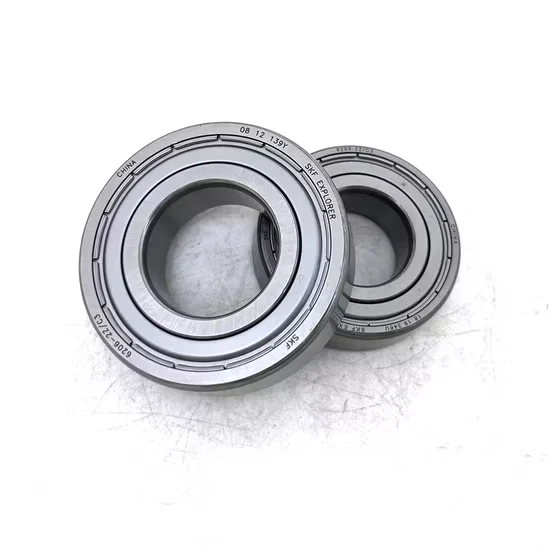
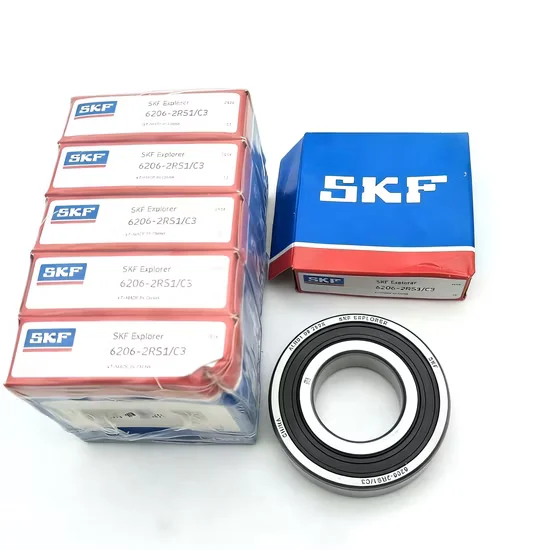
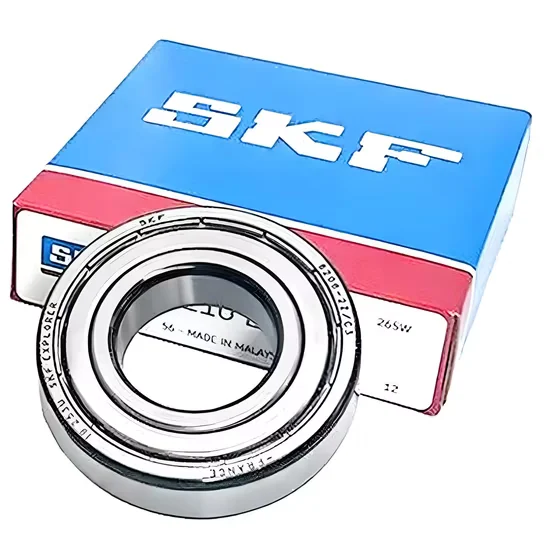
Physical inspection is also necessary. Check the packaging for signs of tampering. Genuine SKF packaging uses specific holographic labels and high-quality printing. Examine the bearing itself for sharp, clean markings. Counterfeit items often have fuzzy or poorly etched logos. The surface finish should be smooth and uniform. Any roughness or discoloration can indicate poor manufacturing processes.
Another key indicator is the price. If a supplier offers wholesale SKF wind turbine bearings at a price significantly below the market average, it is a major red flag. High-quality steel and precision machining have a baseline cost. Discounts that seem too good to be true usually mean the product is not genuine. Always buy from authorized distributors or suppliers with a proven track record of supplying genuine inventory.
Sourcing Strategy for Wind Component Suppliers
Sourcing for wind projects requires a strategic approach that balances inventory costs with project timelines. Wind farms are often located in remote areas, making logistics complex and expensive. Delayed shipments can halt entire construction schedules. Therefore, reliability and lead time are as important as price.
One effective strategy is consolidation. Instead of ordering individual bearings from multiple sources, work with a supplier who can provide a full range of genuine brands. This allows for mixed-container shipments, reducing freight costs and simplifying customs clearance. A supplier with a large spot inventory can fulfill urgent requests for emergency spares, minimizing downtime for operating wind farms.
Minimum order quantities (MOQ) are another consideration. Large OEMs may have strict MOQs, but smaller distributors or maintenance operators often need flexible quantities. Look for suppliers who offer flexible MOQs, allowing you to purchase single units for emergency replacements or bulk quantities for stock. This flexibility is crucial for managing cash flow and inventory levels.
Technical support is also a valuable asset. A good supplier does not just ship boxes; they provide technical consultation. They can help decode complex suffix codes, recommend alternatives for obsolete parts, and assist with failure analysis. This expertise helps prevent costly mistakes and ensures that the bearings selected are truly fit for purpose. When evaluating potential partners, ask about their technical capabilities and their experience with wind energy applications.
Conclusion
Suffix codes dictate survival.
Sourcing SKF bearings for wind applications demands more than matching base numbers. It requires a deep understanding of clearance, lubrication, and environmental specs. By focusing on these technical details and verifying authenticity, suppliers can ensure reliability and avoid costly field failures. Choose partners who offer genuine inventory, technical expertise, and flexible logistics to support your wind energy projects effectively.
Related Applications
This article connects to the application areas below. Open one to see the bearing categories used there.