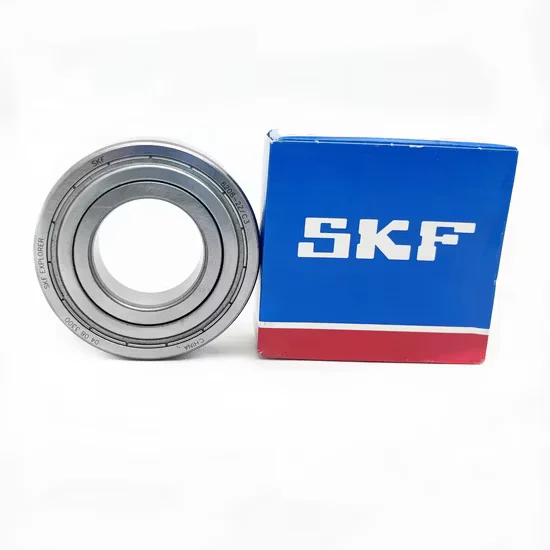
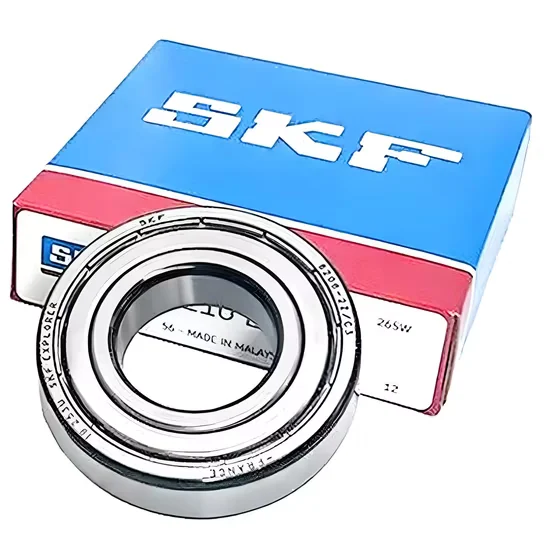
Genuine After-Sales Bearing Kits for OEM Dealers Wholesale Supplier
- Installation & Maintenance
- Sep 16, 2026
- author
Same dimensions do not guarantee identical performance. In extreme operating environments, internal clearance and material integrity outweigh nominal size matching.
Selecting genuine after-sales bearing kits requires precise condition matching and traceability verification to prevent premature failure. For OEM dealers and MRO operators, the priority is not just sourcing a part number, but validating that the internal geometry suits the specific thermal and load conditions of the application while ensuring the component is an authentic original equipment manufacturer product with full documentation.
I still recall the humidity clinging to the air in a Sumatran palm oil mill. The client needed urgent replacements for a vibration screen that had seized up. Acting on routine protocol, I dispatched standard replacement bearings that matched the shaft diameter and housing bore perfectly. Within two weeks, the cage fractured, causing a three-day line stoppage. The issue was not the dimension, but the internal clearance. The tropical heat and high moisture required a C3 or C4 clearance direction to accommodate thermal expansion, which the standard units lacked. This incident reshaped my approach to supplying Genuine After-Sales Bearing Kits for OEM Dealers Wholesale Supplier. It highlighted that technical selection support is as critical as the physical product.
Understanding why standard replacements fail in harsh conditions is the first step toward reliable procurement.
How to Assess Operating Conditions for Bearing Replacement?
Matching clearance and load ratings to specific environmental factors prevents early degradation. Many failures stem from applying generic solutions to specialized problems.
In heavy industry, the operating environment dictates the bearing specification more than the machine model does. A mining crusher main shaft experiences heavy shock loads, requiring spherical roller bearings with robust cage designs and specific lubrication intervals. Conversely, a cement plant conveyor might prioritize mixed-brand consolidation to reduce lead times, but this must not compromise the load rating.
When evaluating conditions, consider these parameters:
| Environmental Factor | Standard Approach | Optimized Selection for Harsh Conditions |
|---|---|---|
| Temperature | Standard C0/C1 Clearance | C3/C4 Clearance for thermal expansion |
| Load Type | Static Load Rating Focus | Dynamic Load Rating and Shock Resistance |
| Contamination Risk | Standard Sealing | Enhanced Sealing or Solid Lubrication Options |
| Humidity | Standard Steel | Corrosion-Resistant Coatings or Stainless Variants |
A European wind farm operator once reported inconsistent performance from identical bearing models installed in different turbines. Upon review, the units exposed to higher salt spray and variable loads showed premature spalling. The solution involved switching to bearings with controlled nitrogen infusion and enhanced sealing, rather than just replacing like-for-like. This underscores the need for technical consultation when sourcing Genuine After-Sales Bearing Kits for OEM Dealers Wholesale Supplier.
What Steps Ensure Authenticity During Procurement?
Verify traceability documents and original packaging before installation to guarantee genuineness. Counterfeit parts often look identical but lack the metallurgical quality of originals.
The market is flooded with non-genuine kits that mimic branding. These cheaper alternatives may save upfront costs but result in significantly higher expenses due to unplanned downtime. Authenticity verification involves checking batch numbers, material certificates, and packaging integrity.
Key verification steps include:
- Inspect the packaging for holographic seals and printed batch codes.
- Cross-reference the part number with the manufacturer’s official database.
- Request material test reports and origin certificates from the supplier.
- Visually inspect the bearing for surface finish quality and laser-etched markings.
A Middle East steel mill once received a shipment of tapered roller bearings that appeared authentic. However, during installation, technicians noticed inconsistent laser etching depth. Further testing revealed substandard steel quality, leading to immediate rejection. By working with a supplier who provides complete traceability documentation, such risks are mitigated. This level of scrutiny is essential when dealing with Genuine After-Sales Bearing Kits for OEM Dealers Wholesale Supplier.
How to Execute the Installation Process Correctly?
Follow precise heating, mounting, and lubrication steps to avoid initial damage. Improper installation is a leading cause of premature bearing failure.
Even the highest quality bearing will fail if installed incorrectly. The process requires controlled heating to expand the inner ring for mounting, avoiding direct flame which can alter the steel structure. Induction heaters or oil baths are preferred methods.
Installation best practices:
- Use induction heating to reach the recommended mounting temperature, typically around 110°C to 120°C, depending on the fit.
- Ensure the shaft and housing are clean and free of burrs.
- Apply the correct amount of lubricant, avoiding over-greasing which can cause overheating.
- Use proper tools to press the bearing onto the shaft, applying force only to the ring being mounted.
In a case involving a large agricultural machinery manufacturer, improper mounting led to immediate noise issues in several gearboxes. The root cause was the use of hammers to drive bearings onto shafts, causing brinelling on the raceways. Retraining the maintenance team on proper heating and pressing techniques resolved the issue. This highlights the value of technical support provided by a reliable source of Genuine After-Sales Bearing Kits for OEM Dealers Wholesale Supplier.
How to Monitor Performance Post-Installation?
Track vibration and temperature trends to predict remaining useful life. Proactive monitoring extends service intervals and prevents catastrophic failures.
Post-installation monitoring allows for predictive maintenance. By establishing baseline vibration and temperature readings, deviations can be detected early. This data helps in planning replacements during scheduled downtimes rather than emergency stops.
Monitoring parameters include:
- Vibration amplitude and frequency spectrum analysis.
- Operating temperature relative to ambient conditions.
- Lubricant condition and contamination levels.
A mining operation in South America implemented a vibration monitoring system on their crusher bearings. The system detected a slight increase in high-frequency vibrations, indicating early stage fatigue. The bearing was replaced during a planned maintenance window, avoiding a costly unplanned shutdown. This proactive approach is supported by suppliers who offer long-term after-sales technical support for failure analysis, a key feature of top-tier Genuine After-Sales Bearing Kits for OEM Dealers Wholesale Supplier.
Conclusion
Precision in selection and verification ensures operational continuity. Sourcing bearings is not merely a transaction but a technical partnership.
By focusing on condition matching, authenticity verification, correct installation, and performance monitoring, operators can minimize downtime and maximize equipment life. Choosing a supplier who provides genuine products with full traceability and technical support is crucial for maintaining efficiency in demanding industrial environments. This comprehensive approach defines the value of Genuine After-Sales Bearing Kits for OEM Dealers Wholesale Supplier.
Related Applications
This article connects to the application areas below. Open one to see the bearing categories used there.