Genuine SKF Bearings for Power Tool Makers | Wholesale Supplier
- Buying Guide
- Sep 15, 2026
- author
The lowest unit price often costs the most.
Sourcing genuine SKF bearings for power tools requires strict traceability and mixed-batch cost optimization to prevent motor failures caused by counterfeits. Authenticity is verified through customs declarations and laser etching, while procurement efficiency is achieved by consolidating genuine SKF units with other reliable brands in shared containers.
I still remember the smell of burnt insulation in a warehouse in Linyi. It was not just the scent of failed motors; it was the smell of a business nearly collapsing. I had sourced a batch of deep groove ball bearings that looked identical to the genuine article. The packaging was crisp, the logos were sharp, and the price was irresistible. But when our quality control team ran the high-speed drill assembly test, the spindles overheated within minutes. The bearings had seized. That entire shipment of electric drills was rejected by an overseas client, and the compensation cost wiped out the savings from the "bargain" purchase. That failure taught me that in high-RPM applications, a bearing is not just a component; it is the heart of the machine. Today, when I evaluate SKF bearings for power tools, I do not start with the price tag. I start with the paper trail.
This guide breaks down how to secure authentic components and optimize your supply chain without compromising on quality.
Why Do Power Tool Motors Fail with Fake SKF Bearings?
Counterfeit bearings lack the precision required for high-speed operation, leading to rapid overheating and seizure.
Power tools operate under extreme conditions. Unlike industrial fans or low-speed conveyors, an angle grinder or a heavy-duty drill spins at thousands of revolutions per minute. The dynamic load ratings and internal clearance tolerances are critical. Counterfeit manufacturers often use lower-grade steel or improper heat treatment processes. They may mimic the outer dimensions, but they cannot replicate the micro-geometry of the raceways or the purity of the material.
When a fake bearing is installed in a power tool motor, the initial run might seem fine. However, as the temperature rises, the inferior material expands unevenly. The lubricant breaks down faster than expected. Within hours, or sometimes even minutes, the rolling elements bind against the raceway. This causes the spindle to lock up. For a manufacturer, this is catastrophic. It is not just about replacing one bearing; it is about recalling thousands of units, damaging brand reputation, and facing liability claims.
I once consulted for a manufacturer who faced a sudden spike in warranty returns. Their production line had switched to a new supplier offering SKF bearings for power tools at a discount. The failure rate was not immediate, which made it harder to detect. It appeared in the field, after the tools had been sold. The root cause was traced back to inconsistent cage materials in the counterfeit bearings. The cages deformed under centrifugal force, allowing the balls to misalign and crash. This is why I insist on verifying the source before any bulk order is placed. The cost of a single seized motor can destroy the profit margin of an entire production run.
How to Verify Genuine SKF 6203/6204 Bearings?
Check customs declarations, laser etching, and packaging traceability to confirm authenticity.
Verification is not a single step; it is a layered process. Relying on visual inspection alone is insufficient because modern counterfeits have become sophisticated. The first line of defense is documentation. Every legitimate import of SKF bearings for power tools must have corresponding customs declarations. These documents link the physical goods to the official supply chain. I always ask suppliers to provide these records. If they hesitate or offer vague excuses, it is a red flag.
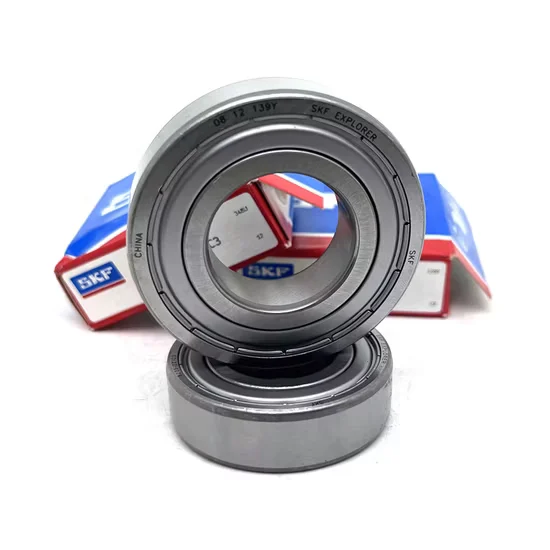
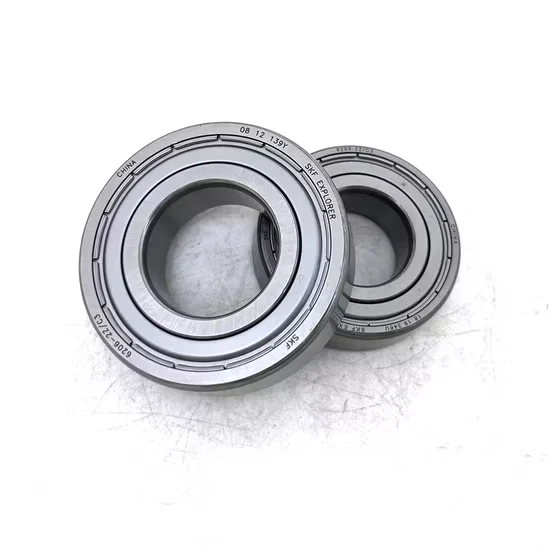
The second layer is physical inspection. Genuine SKF bearings feature precise laser etching on the outer ring. The font is clean, consistent, and difficult to replicate perfectly. Counterfeits often use ink printing or poorly executed laser marks that can be rubbed off or appear uneven. Additionally, the packaging should include specific security features, such as holographic labels or unique identification codes that can be verified through the manufacturer’s official channels.
I recall a batch verification process where we compared two sets of 6204 bearings. One set was genuine, sourced through authorized channels, and the other was from an unknown distributor. The difference in the weight of the individual bearings was noticeable due to variations in steel density and machining precision. The genuine bearings felt solid and balanced, while the fakes had slight irregularities. We also checked the batch consistency. Genuine products maintain tight tolerances across the entire lot, whereas counterfeits often show significant variation between individual units. This consistency is crucial for automated assembly lines in power tool manufacturing.
SKF vs. Alternatives: Which Specs Fit Your Power Tools?
Compare load ratings and RPM limits to select the right bearing for specific tool applications.
Not every power tool requires the same level of performance. While SKF is a premium choice, understanding the specific requirements of your application helps in making cost-effective decisions. The key parameters to compare are the dynamic load rating, limiting speed, and internal clearance. For high-speed tools like routers or grinders, the limiting speed is critical. For heavy-duty hammer drills, the dynamic load capacity takes precedence.
Below is a qualitative comparison of bearing characteristics for different power tool categories:
| Application Type | Priority Parameter | Bearing Characteristic Requirement | Suitability of Premium Brands |
|---|---|---|---|
| High-Speed Grinders | Limiting Speed | Low friction, high precision, C3 clearance | Highly Suitable |
| Hammer Drills | Dynamic Load | Robust construction, shock resistance | Suitable |
| Cordless Screwdrivers | Noise & Vibration | Smooth operation, low noise grade | Suitable |
| General Purpose Drills | Balance | Cost-effectiveness, adequate lifespan | Moderate |
This table illustrates that while premium brands like SKF excel in high-performance scenarios, other reliable brands may suffice for less demanding applications. The goal is not to overspecify but to match the bearing to the task. For instance, using a high-precision P5 class bearing in a low-speed, high-torque application might be unnecessary expense. Conversely, using a standard commercial grade in a high-speed spindle is a recipe for failure.
In my experience, many manufacturers default to a single brand for all their models. This simplifies procurement but may not optimize costs. By analyzing the specific operational demands of each tool model, you can create a tiered sourcing strategy. Use top-tier SKF bearings for power tools for your flagship, high-performance models, and consider other reputable brands for entry-level tools. This approach maintains quality where it matters most while controlling overall material costs.
How to Optimize Procurement Costs via Mixed-Batch Sourcing?
Consolidate genuine SKF with other brands to reduce MOQ and freight costs.
Procurement is not just about buying parts; it is about managing logistics and cash flow. Ordering full containers of a single brand often leads to excess inventory and tied-up capital. A more efficient approach is mixed-batch consolidation. This involves combining genuine SKF bearings for power tools with other necessary components or bearing brands in a single shipment.
This method offers several advantages. First, it allows for smaller order quantities per SKU, reducing the risk of overstocking. Second, it maximizes container utilization, lowering the per-unit freight cost. Third, it provides flexibility in responding to market changes. If demand for a specific tool model shifts, you can adjust the mix of bearings in subsequent orders without being locked into large volumes of a single type.
I have worked with distributors who initially resisted this approach, fearing complexity. However, once they implemented a structured consolidation plan, their inventory turnover improved significantly. They were able to maintain a steady supply of critical SKF models for their high-end clients while filling the rest of the container with other reliable brands for general maintenance stock. This balance ensured they never ran out of key items while keeping warehousing costs manageable.
The key to successful mixed-batch sourcing is having a supplier who understands the technical requirements of each brand and can manage the consolidation process efficiently. It requires careful planning and clear communication about specifications and delivery timelines. But the result is a more resilient and cost-effective supply chain.
Conclusion
Authenticity and strategic sourcing are non-negotiable for power tool reliability.
Protecting your production line from counterfeit failures starts with rigorous verification of SKF bearings for power tools. By focusing on traceability and matching specifications to application needs, you ensure performance. Mixed-batch consolidation further enhances efficiency, balancing quality assurance with cost control.
Related Applications
This article connects to the application areas below. Open one to see the bearing categories used there.