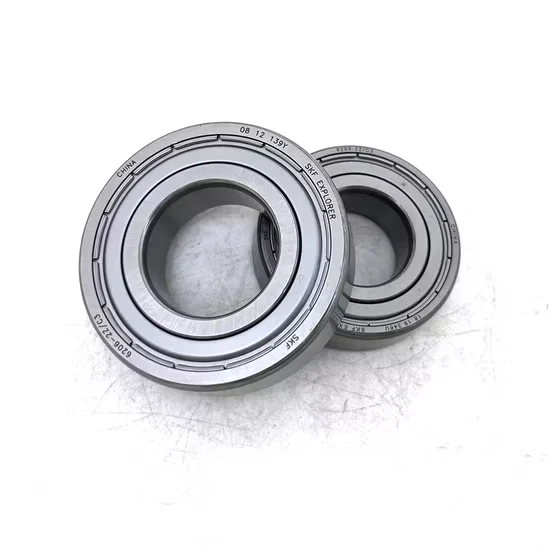
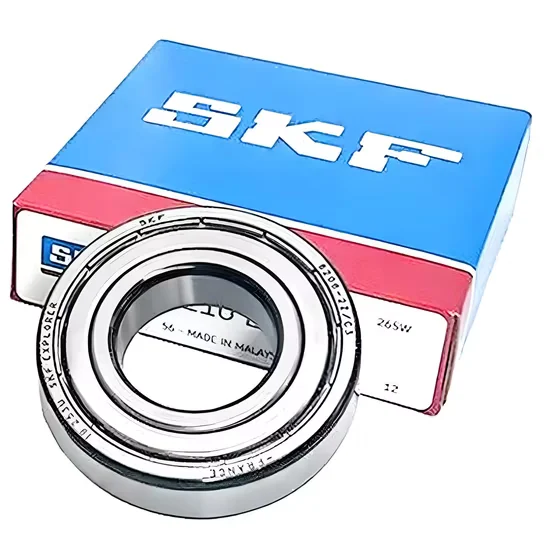
Genuine SKF Bearings for Mining Equipment OEMs Wholesale Supplier
- Buying Guide
- Sep 15, 2026
- author
Discounted bearings often cost more than premium ones.
Mining equipment OEMs must prioritize genuine SKF bearings with full traceability to avoid catastrophic downtime, balancing premium specifications with reliable global sourcing strategies. Counterfeit or improperly stored units fail prematurely under high loads, leading to unplanned shutdowns that far exceed initial procurement savings. Authenticity ensures load capacity and prevents premature cage fractures in harsh environments.
Sourcing authentic components requires more than checking a logo. It demands a rigorous verification of supply chain documentation and physical inspection protocols. In my early days handling procurement for mining projects in Dubai, I learned this lesson the hard way. A batch of spherical roller bearings, sourced from a non-authorized channel to meet a tight deadline for an iron ore crusher in the outskirts of Riyadh, failed within months. The keepers fractured under heat and heavy load, halting the entire production line for weeks. The cost of air-freighting replacements and lost output dwarfed the initial discount. This experience shifted my focus from price hunting to establishing robust, traceable supply lines. Today, as a supplier specializing in genuine industrial components, I see many OEMs still struggling with this balance.
The market is flooded with look-alikes. For OEMs building crushers, excavators, or heavy-duty gearboxes, the risk is not just financial but operational. Reliable sourcing means partnering with distributors who can provide mixed-batch consolidation without compromising on authenticity. This guide details how to verify genuineness, select the right specifications for mining applications, and optimize procurement to reduce lead times while ensuring quality.
Why Do Mining OEMs Need Genuine SKF Bearings?
Authenticity is the baseline for safety and performance, not a luxury feature.
Mining environments are unforgiving. Crushers, screens, and conveyors operate under extreme radial and axial loads, often in dusty, high-vibration conditions. Genuine SKF bearings are engineered with specific metallurgical properties and precision tolerances that counterfeits simply cannot replicate. The difference lies in the internal geometry and material purity. Counterfeit units often use inferior steel with higher inclusion densities, leading to early fatigue spalling.
Consider the dynamic load rating. This is not just a number on a datasheet; it represents the theoretical life expectancy under specific conditions. A fake bearing might claim the same rating, but its actual performance degrades rapidly due to poor heat treatment. In a cone crusher, this manifests as excessive vibration and heat generation. I once reviewed a failure analysis for a European mining client where substituted bearings showed visible micro-cracking in the raceways after only a fraction of their expected service life. The root cause was traced back to inconsistent hardness levels in the ring material, a hallmark of substandard manufacturing.
| Feature | Genuine SKF Bearing | Counterfeit/Non-Traceable Unit |
|---|---|---|
| Material Purity | Controlled inclusion density | High inclusion density, vulnerable to fatigue |
| Cage Integrity | Robust design for high vibration | Prone to fracture under shock loads |
| Dimensional Tolerance | Micron-level precision | Noticeably varied, causing misalignment |
| Traceability | Full batch-level documentation | Self-reported or not provided |
For OEMs, using non-genuine parts risks warranty claims and reputational damage. If a machine fails in the field due to a bearing issue, the investigation will trace back to the component source. Ensuring every unit is authentic protects the OEM’s brand integrity.
Moreover, genuine bearings offer consistent performance across batches. This consistency is crucial for OEMs assembling multiple units. Variations in clearance or fit can lead to assembly difficulties or premature wear in some machines but not others, creating unpredictable maintenance schedules for end-users. By sticking to verified sources, OEMs ensure that every machine leaving the factory meets the same high standard of reliability.
How to Verify SKF Bearing Authenticity During Sourcing?
Documentation is as critical as the physical product.
Verifying authenticity starts before the goods arrive. It begins with the supplier’s ability to provide full traceability. A reputable distributor will offer certificates of origin and material test reports linked to specific batch numbers. Without these documents, the risk of receiving counterfeit or refurbished goods increases significantly.
Physical inspection is the next layer of defense. Genuine SKF bearings come in specific packaging with security features. Look for holographic labels, precise printing quality, and correct part number formatting. The bearings themselves should have clear, laser-etched markings that are difficult to remove. Counterfeits often have stamped markings that are uneven or easily rubbed off.
I recall a shipment destined for a South American copper mine. The packaging looked correct at first glance, but the inner seal had a slight irregularity in the font weight. Upon closer inspection with a magnifying lens, the laser etching on the outer ring showed minor inconsistencies in depth. We halted the shipment and requested additional proof of origin from the upstream supplier. It turned out the batch had been mixed with returned stock from a different region. By catching this early, we prevented potential failures in the client’s grinding mills.
| Verification Step | Action Required | Risk if Ignored |
|---|---|---|
| Documentation Review | Check batch-specific COC and MTR | Receiving untraceable or fake stock |
| Packaging Inspection | Verify holograms and print quality | Missing signs of tampering or replication |
| Physical Marking Check | Inspect laser etching clarity and depth | Installing bearings with incorrect specs |
| Supplier Audit | Confirm authorized distribution status | Sourcing from unauthorized resellers |
Another key indicator is the supplier’s inventory management. Authorized distributors maintain strict control over storage conditions. Bearings are sensitive to humidity and temperature. Improper storage can lead to corrosion or degradation of lubricants, even in new units. Ask potential suppliers about their warehouse standards. Do they use climate-controlled storage? How do they handle first-in-first-out rotation? These operational details reveal their commitment to quality.
For OEMs, integrating these checks into the incoming quality control process is essential. Train receiving teams to spot red flags. Create a checklist that includes document verification and physical inspection points. This proactive approach minimizes the chance of defective parts entering the production line.
What Are the Key Specs for Mining Crusher Applications?
Matching specifications to application loads is vital for longevity.
Mining crushers demand bearings that can handle heavy shock loads and misalignment. Spherical roller bearings are the standard choice for these applications due to their self-aligning capability and high load-carrying capacity. However, not all spherical roller bearings are created equal. The specific design features, such as cage type and internal clearance, must match the operating conditions.
Internal clearance is a critical parameter. In high-temperature environments, bearings expand. If the initial clearance is too tight, thermal expansion can lead to preload, causing overheating and rapid failure. Conversely, too much clearance can result in excessive vibration and noise. Genuine SKF bearings offer specific clearance classes, such as C3 or C4, which are designed for these demanding conditions. Selecting the wrong class can drastically reduce service life.
Cage design also matters. Machined brass cages are common in large spherical roller bearings for mining apps. They offer good strength and sliding properties. However, in applications with high acceleration or deceleration, steel cages might be preferred for their durability. Understanding the specific dynamics of the crusher—such as start-stop frequency and load variation—helps in selecting the right cage material.
| Application Factor | Recommended Specification | Reason |
|---|---|---|
| High Shock Load | Spherical Roller Bearing | Accommodates misalignment and heavy loads |
| Elevated Temperature | Clearance Class C3 or C4 | Compensates for thermal expansion |
| High Vibration | Machined Brass or Steel Cage | Ensures cage integrity under stress |
| Contaminated Environment | Sealed or Shielded Design | Prevents ingress of dust and debris |
A case from a Middle East cement plant illustrates this point. They experienced repeated failures in their vertical mill fans. The original bearings were standard clearance units. After analyzing the operating temperature, we recommended switching to C4 clearance bearings. The change eliminated the thermal preload issues, and the bearings ran substantially longer without overheating. This adjustment required no mechanical changes to the housing, only a precise specification update.
OEMs should work closely with their bearing suppliers during the design phase. Provide detailed operating parameters, including load profiles, speed ranges, and environmental conditions. A knowledgeable supplier can recommend the optimal bearing configuration, potentially suggesting upgrades like specialized coatings or lubricants for extreme conditions. This collaborative approach ensures that the selected bearings are not just generic replacements but engineered solutions for the specific application.
How to Optimize SKF Bearing Procurement for OEM Projects?
Consolidation reduces complexity and lead times.
Procuring bearings for large OEM projects involves managing hundreds of SKUs. Ordering each part from separate official channels can lead to fragmented shipments, varied lead times, and increased administrative overhead. A more efficient approach is to use a one-stop global supplier capable of mixed-brand and mixed-size consolidation.
This strategy allows OEMs to combine orders for SKF bearings with other necessary components, such as seals, lubricants, or even bearings from other premium brands like FAG or TIMKEN, into single shipments. This consolidation simplifies customs clearance, reduces freight costs, and ensures that all parts arrive simultaneously for assembly. It also provides a single point of contact for technical support and after-sales service.
However, consolidation must not compromise authenticity. The supplier must have direct access to genuine stock from multiple manufacturers. They should be able to provide traceability for every brand in the mixed container. This requires a distributor with strong relationships with major bearing manufacturers and a robust inventory management system.
| Procurement Strategy | Benefit | Consideration |
|---|---|---|
| Single-Brand Direct | Brand assurance | Higher logistics complexity, longer lead times |
| Mixed-Brand Consolidation | Reduced shipping costs, simplified logistics | Requires trusted supplier with multi-brand access |
| Local Stockholding | Fast emergency response | Higher holding costs, limited SKU range |
| Just-in-Time Delivery | Lower inventory investment | Risk of supply chain disruptions |
In my current role, I help OEMs streamline their supply chains by offering this consolidated service. For a recent project involving a new line of excavators, we managed the sourcing of over fifty different bearing types. By consolidating these into fewer shipments, we reduced the client’s logistics burden and ensured that production schedules were met without delay. The key was maintaining strict quality control across all brands, ensuring that every item met the OEM’s specifications.
Additionally, having a supplier who understands cross-brand equivalents can be valuable. If a specific SKF model has a long lead time, a knowledgeable partner can suggest a technically equivalent alternative from another premium brand, provided the OEM approves the substitution. This flexibility can keep production lines moving when supply constraints arise. It is not about replacing genuine parts with cheaper options, but about finding reliable alternatives within the same quality tier to maintain continuity.
Conclusion
Genuine components prevent costly downtime.
Sourcing genuine SKF bearings for mining equipment requires a focus on traceability, technical specification matching, and efficient procurement strategies. OEMs must verify authenticity through documentation and physical inspection to avoid the risks associated with counterfeits. Selecting the right internal clearance and cage design ensures performance in harsh mining environments. Finally, optimizing procurement through mixed-batch consolidation with a trusted global supplier reduces logistical complexity and supports timely project delivery. Prioritizing these factors protects both operational efficiency and brand reputation.
Related Applications
This article connects to the application areas below. Open one to see the bearing categories used there.