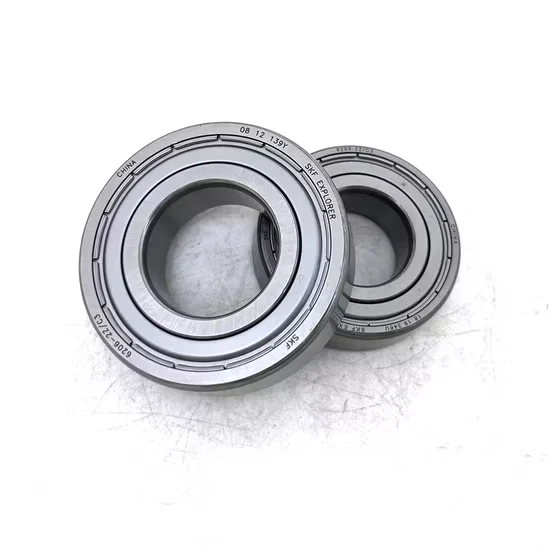
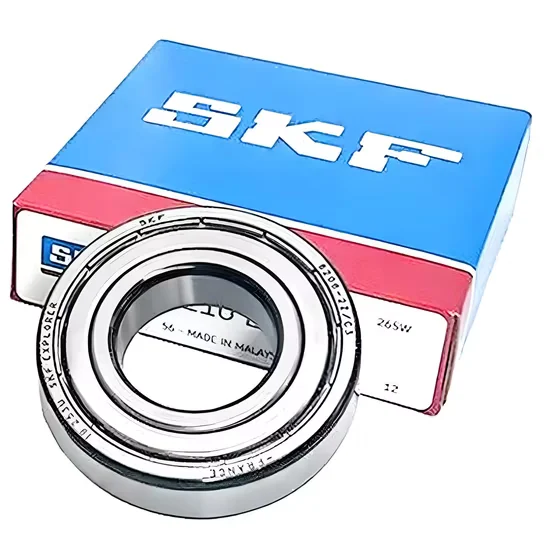
Genuine SKF Bearings for Machine Tool Builders Wholesale Supplier
- Buying Guide
- Sep 15, 2026
- author
Price is rarely the primary driver of spindle failure; unverified traceability is.
Sourcing genuine SKF bearings for machine tool builders requires a strict focus on super-precision grades, complete documentation chains, and rigorous anti-counterfeit verification to prevent catastrophic spindle failures. Without these safeguards, even high-grade components can lead to thermal deformation and precision loss that ruins machining accuracy.
I still remember the humidity in the Jinan workshop during my early quality control days. The air smelled of cutting fluid and hot metal. We were assembling a high-speed spindle unit, and the bearing housing felt cool to the touch. But within hours of running a test cycle, the temperature spiked. The vibration sensors screamed. We had used a batch of bearings that looked perfect on the outside but lacked the internal preload consistency required for such high RPMs. The result was not just a failed part; it was a rejected five-axis machine center. That mid-six-figure loss taught me that in precision manufacturing, the paper trail is as critical as the steel itself.
This reality drives the need for a disciplined approach when you are acting as a SKF bearings for machine tool builders supplier or buyer. It is not enough to simply order a part number. You must understand the ecosystem of authenticity.
Why Do Machine Tool Spindles Fail Prematurely?
Unverified bearings cause thermal deformation that destroys machining accuracy long before mechanical wear sets in.
When a spindle fails, the instinct is to blame the motor or the cooling system. However, the root cause often lies in the bearing assembly. If the internal geometry of the bearing does not match the specified precision class, the rolling elements generate excessive friction. This friction converts to heat. In a tightly toleranced spindle, even a minor temperature rise causes the shaft to expand. This expansion alters the preload, which further increases friction, creating a runaway thermal loop.
Consider a case from a European automation integrator. They sourced a batch of bearings that appeared to be genuine based on packaging. However, the internal clearance was inconsistent. After installation, the spindles exhibited chatter marks on finished surfaces. The issue was not the grade of the steel, but the lack of batch-to-batch consistency. The vibration amplitude did not drop noticeably even after extensive run-in periods. By switching to a verified source with full traceability, the surface finish defects vanished.
The danger here is subtle. A counterfeit or improperly handled bearing might pass a static visual inspection. It is only under dynamic load and thermal stress that the flaws emerge. For a SKF bearings for machine tool builders distributor, this means that inventory management is not just about stock levels; it is about preserving the integrity of the precision ground surfaces. Exposure to humidity or improper handling during storage can degrade performance just as much as manufacturing defects.
How to Select the Right SKF Super-Precision Bearing?
Match contact angles and preload specifications to your specific CNC spindle speeds and loads rather than assuming higher precision is always better.
Selecting the right bearing involves more than picking the highest precision grade available. A common misconception is that P2 class is always superior to P4. In reality, mismatched preload specs can cause faster failure than standard grades. The key is to align the bearing characteristics with the operational profile of the machine tool.
When evaluating SKF super-precision spindle bearings, you must consider the following parameters:
| Parameter | High-Speed Spindle Application | Heavy-Cut Milling Application | Verification Method |
|---|---|---|---|
| Precision Class | P4 or P2 | P4 | Check certificate against order |
| Preload Type | Light (L) or Medium (M) | Medium (M) or Heavy (H) | Confirm with technical datasheet |
| Contact Angle | 15 degrees | 25 degrees | Visual inspection of marking |
| Cage Material | Polyamide (Lightweight) | Steel (Robust) | Material certification review |
A Middle East steel mill operator once faced repeated failures in their roll neck bearings. They had been specifying the highest precision grade available, assuming it would handle the heavy loads better. However, the light preload associated with that specific high-speed variant could not withstand the shock loads of the milling process. The bearings skidded rather than rolled, leading to rapid surface damage. By adjusting the selection to a heavier preload configuration within the same precision class, the service life extended substantially.
For those sourcing genuine SKF machine tool bearings supplier solutions, it is crucial to request technical support during the selection phase. Do not rely solely on cross-reference charts. Engage with suppliers who can provide application guidance. This ensures that the SKF angular contact ball bearings for CNC machines you purchase are optimized for your specific operating conditions, whether that involves high-speed finishing or heavy-duty roughing.
What Are the Red Flags of Counterfeit SKF Bearings?
Packaging anomalies, missing traceability codes, and abnormal pricing are the primary indicators of non-genuine products.
Counterfeiters have become sophisticated. They replicate boxes, labels, and even some external markings. However, they rarely replicate the internal quality control processes or the detailed traceability systems of the original manufacturer. Spotting these fakes requires a keen eye for detail and a skeptical approach to deals that seem too good to be true.
Here are the critical red flags to watch for:
- Packaging Quality: Genuine SKF packaging uses high-quality cardboard with precise printing. Counterfeit boxes often have blurry logos, misspelled words, or poor-quality adhesive seals.
- Traceability Codes: Every genuine bearing has a unique identification code etched onto the ring or cage. This code should match the documentation provided. If the code is missing, illegible, or does not match the paperwork, reject the batch.
- Surface Finish: Genuine super-precision bearings have a mirror-like finish on the raceways. Counterfeits often show tool marks, roughness, or inconsistent polishing.
- Pricing: If the price is significantly lower than the market average, it is a major warning sign. Authentic super-precision bearings involve complex manufacturing processes that cannot be replicated at a fraction of the cost.
A buyer in Southeast Asia recently encountered a batch of bearings where the packaging looked authentic, but the inner rings lacked the laser-etched identification codes. Upon closer inspection, the steel color was slightly duller than usual. Testing revealed that the material hardness was below the required standard. These bearings would have failed prematurely under load, causing significant downtime. By identifying these red flags early, the buyer avoided a costly mistake.
When you act as a SKF bearings for machine tool builders partner, your reputation depends on delivering only genuine products. Implementing strict incoming quality checks is essential. This includes verifying the physical attributes of the bearings against the official technical catalogs.
How to Verify Supplier Authenticity and Traceability?
Demand original mill certificates and authorized distribution proof to ensure every bearing can be traced back to the manufacturer.
Traceability is the backbone of reliability. It is not just about knowing where the bearing came from; it is about having the documentation to prove it. This documentation is vital for customs clearance, quality audits, and warranty claims. Without it, you are exposed to significant risk.
To verify a supplier, follow these steps:
- Request Authorization Proof: Ask for evidence that the supplier is an authorized distributor or has a direct line to authorized channels. This may include letters of authorization or partnership certificates.
- Check Mill Certificates: Every batch of genuine bearings should come with a mill certificate or a certificate of conformity. This document details the production batch, material specifications, and test results. Verify that the batch numbers on the certificates match those on the bearings and packaging.
- Audit Documentation Consistency: Ensure that all documents, including invoices, packing lists, and certificates, contain consistent information. Discrepancies in dates, batch numbers, or part descriptions are warning signs.
- Evaluate Technical Support: A genuine supplier will offer technical support and selection guidance. They should be able to answer specific questions about preload, lubrication, and mounting procedures.
In one instance, a shipment of bearings was held at customs due to missing origin documents. The buyer was able to resolve the issue quickly because their supplier provided a complete set of traceability documents, including the original mill certificates and proof of authorized distribution. This saved weeks of delay and prevented production stoppages.
As a global full-range bearing supplier, we understand the critical nature of these requirements. Our approach involves maintaining a robust inventory of genuine products with complete traceability documentation. We support machine tool builders by providing flexible MOQ options for mixed batches and offering technical selection support. This ensures that when you source SKF bearings for machine tool builders, you receive not just a product, but a guaranteed solution backed by verifiable data.
Conclusion
Authenticity and traceability are non-negotiable for precision machinery performance.
Sourcing SKF bearings for machine tool builders demands a rigorous approach to verification. By focusing on super-precision grades, demanding complete documentation, and staying vigilant against counterfeits, you protect your equipment and your reputation. The cost of verification is negligible compared to the expense of spindle failure and production downtime. Choose partners who prioritize transparency and technical integrity.
Related Applications
This article connects to the application areas below. Open one to see the bearing categories used there.