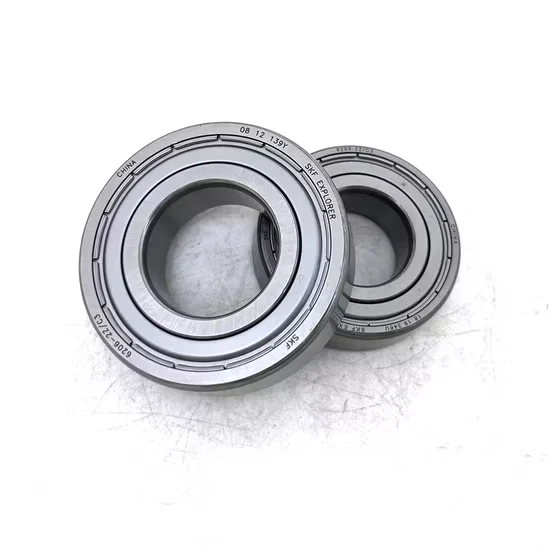
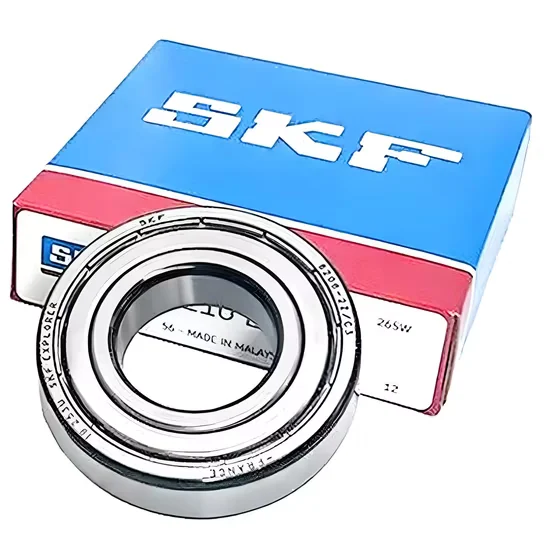
Genuine SKF Bearings for Fitness Equipment Makers Wholesale Supplier
- Buying Guide
- Sep 15, 2026
- author
Identical dimensions do not guarantee identical performance.
For fitness equipment OEMs, selecting genuine SKF bearings with precise speed and noise ratings is the only reliable method to prevent high-speed resonance failures and costly batch returns. Counterfeit or downgraded alternatives often match outer diameters but fail under the dynamic loads and rotational speeds required by modern treadmills and spin bikes.
I still remember the humidity in that Chicago warehouse during a product recall inspection. A major treadmill manufacturer had swapped out specified components for a cheaper alternative that looked identical to the naked eye. On the test bench, the units ran smoothly at walking speeds. But once the belt hit running pace, the spindles began to emit a low-frequency hum that quickly escalated into a grinding screech. The heat buildup was so severe that the lubricant carbonized within minutes, seizing the motor shaft. That single decision to save cents per unit resulted in a mid-six-figure loss from returned inventory and reputational damage. It reinforced a hard lesson: in high-speed fitness applications, microscopic tolerance gaps are not just technical details; they are the difference between a premium product and a liability.
The market is flooded with lookalikes, but the internal geometry tells a different story. When sourcing SKF bearings for fitness equipment, buyers must look beyond the price tag and verify the technical specifications that ensure longevity and user comfort.
Why Do Fitness Equipment Bearings Fail at High Speeds?
Micro-tolerance deviations in non-genuine bearings cause fatal resonance and heat buildup at high RPMs.
Most procurement managers assume that if a bearing fits the housing, it will perform adequately. This is a dangerous misconception in the fitness industry. Treadmill rollers and spin bike flywheels operate at sustained high speeds, often exceeding the standard limits for general industrial applications. When a bearing lacks the precise internal clearance and raceway finish of a genuine product, it generates excessive friction.
In my early days inspecting production lines, I saw how slight variations in steel purity and heat treatment affected performance. Genuine SKF products undergo rigorous quality control to ensure consistent hardness and surface finish. Counterfeit parts often use lower-grade steel with inconsistent hardness, leading to premature fatigue. Under the constant radial load of a runner’s weight, these inferior races deform microscopically. This deformation creates uneven rolling paths, which in turn generate vibration.
The vibration is not just a noise issue; it is a mechanical failure precursor. As the bearing vibrates, it loosens the fit in the housing, allowing more movement and generating more heat. This cycle accelerates wear until the bearing seizes completely. For an OEM, this means warranty claims and brand erosion.
When evaluating SKF bearings for fitness equipment, it is crucial to understand that the limiting speed is not just a maximum threshold but a design parameter. Exceeding this limit with a substandard part leads to immediate thermal runaway. Genuine components are engineered to dissipate heat efficiently, maintaining structural integrity even during intense commercial gym usage.
How to Compare SKF Bearing Specs for Treadmills vs. Spin Bikes?
Treadmills require high radial load capacity, while spin bikes prioritize extreme low-noise grades.
Not all fitness applications place the same demands on bearings. A one-size-fits-all approach leads to either over-engineering costs or premature failures. Understanding the specific load and noise requirements for each machine type is essential for proper selection.
Treadmills subject bearings to significant radial loads due to the user’s body weight and the impact of running. The bearings must support heavy weights while rotating at moderate to high speeds. In contrast, spin bikes involve lighter radial loads but much higher rotational speeds and a critical need for quiet operation. Users are seated close to the flywheel, making any bearing noise immediately apparent and annoying.
| Application Feature | Treadmill Spindle Bearings | Spin Bike Flywheel Bearings |
|---|---|---|
| Primary Load Type | Heavy Radial Impact | Moderate Radial, High Centrifugal |
| Speed Requirement | Moderate to High | Very High |
| Noise Sensitivity | Moderate | Critical (Low Decibel Required) |
| Key Failure Mode | Fatigue Spalling | Heat Seizure, Noise Complaints |
| Recommended Focus | Dynamic Load Rating | Precision Grade, Clearance Class |
I once consulted for a European fitness brand that was receiving complaints about "tractor-like" noises from their spin bikes after three months of use. The issue was traced to inadequate internal clearance in the bearings used. The tight clearance caused the balls to skid rather than roll smoothly at high RPMs, generating heat and noise. Switching to genuine SKF bearings with the correct C3 clearance resolved the issue entirely.
For treadmills, the focus shifts to durability. The bearings must withstand the shock loads of jumping or heavy running. Using a bearing with insufficient dynamic load rating leads to brinelling—indentations on the raceway—which causes vibration and eventual failure. By matching the bearing specification to the specific machine dynamics, OEMs can ensure optimal performance.
When sourcing SKF bearings for fitness equipment, request technical datasheets that specify the dynamic load rating and limiting speed. Verify that the noise class matches the application environment. Commercial gyms demand quieter machines than home units, requiring higher precision grades.
What Documents Prove Bearing Authenticity and Traceability?
Official Certificates of Conformity and batch traceability are non-negotiable for OEM compliance.
In a global supply chain, verifying the origin of components is as important as the components themselves. Counterfeit bearings are sophisticated, often packaging fake products in boxes that mimic genuine branding. Without proper documentation, an OEM risks installing defective parts that could lead to catastrophic failures.
Genuine suppliers provide a Certificate of Conformity (COC) that links the delivered goods to the manufacturer’s production batch. This document confirms that the bearings meet the specified ISO standards and material requirements. It also includes traceability codes that allow tracking back to the factory floor.
I recall a case where a distributor in Southeast Asia supplied bearings without proper documentation. The client assumed they were genuine due to the packaging. However, during installation, technicians noticed slight discrepancies in the laser etching on the outer ring. Upon testing, the bearings failed to meet the specified hardness levels. The lack of a COC meant there was no recourse for replacement, and the entire batch had to be scrapped.
To avoid such risks, always demand full traceability. Check for holographic labels, precise laser marking, and consistent packaging quality. Reputable suppliers will provide these documents without hesitation. They understand that transparency builds trust and protects both parties from liability.
When purchasing SKF bearings for fitness equipment, ensure your supplier can provide batch-specific test reports if required. This level of documentation is standard for genuine products but rare for counterfeits. It serves as your insurance policy against quality issues.
How to Balance Procurement Costs Without Compromising Quality?
Consolidated sourcing of genuine SKF offers better lifecycle ROI than cheap alternatives.
Cost pressure is real for every manufacturing business. However, viewing bearings solely as a line-item expense ignores the total cost of ownership. A cheaper bearing that fails prematurely incurs costs far beyond its purchase price: shipping for replacements, labor for repairs, and potential loss of customers.
Sourcing from a specialized global supplier allows for consolidated orders. Instead of buying small quantities at premium prices from multiple distributors, OEMs can place larger, mixed-batch orders. This approach leverages volume discounts while ensuring all components are genuine.
My experience working with international buyers has shown that those who prioritize value over initial price achieve better long-term results. One client in Latin America switched to a consolidated sourcing model for their entire bearing portfolio. While the unit cost remained competitive, the reduction in warranty claims and maintenance downtime resulted in significant savings over the year.
Furthermore, technical support plays a crucial role in cost management. A knowledgeable supplier can help select the most appropriate bearing for each application, preventing over-specification or under-performance. This expertise ensures that every dollar spent contributes directly to product reliability.
When evaluating SKF bearings for fitness equipment, consider the supplier’s ability to provide technical guidance and flexible minimum order quantities. This support helps optimize inventory levels and reduces the risk of obsolescence.
Conclusion
Precision prevents failure.
Selecting the right bearings is a strategic decision that impacts product quality, brand reputation, and bottom-line profitability. By prioritizing genuine components with verified specifications and traceability, fitness equipment makers can deliver reliable, quiet, and durable machines. Partnering with a knowledgeable supplier ensures access to authentic SKF bearings for fitness equipment and the technical support needed to navigate complex sourcing challenges.
Related Applications
This article connects to the application areas below. Open one to see the bearing categories used there.