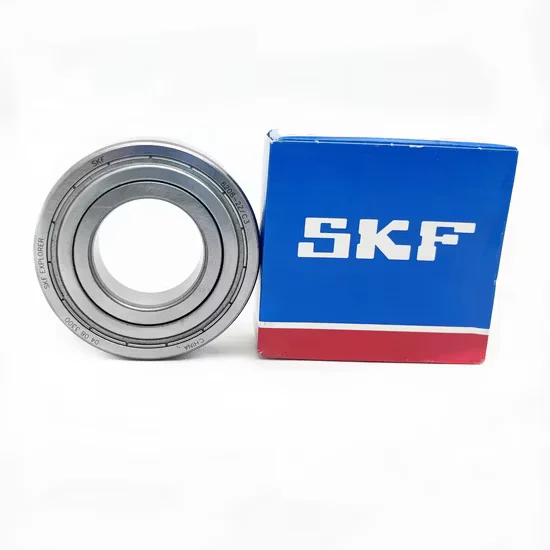
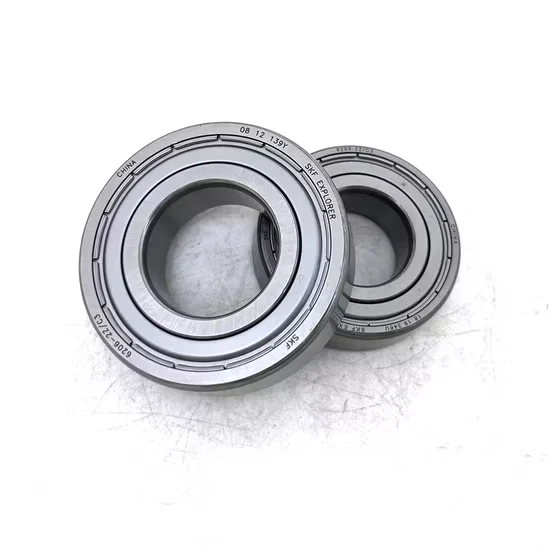
Genuine NEMA Motor Bearings Wholesale Supplier | Bulk & Single Unit Orders
- Applications & Industries
- Sep 16, 2026
- author
A single counterfeit bearing can destroy a multi-million dollar production line.
The most effective strategy for maintaining NEMA motor reliability is to source genuine bearings for NEMA electric motors with complete, verifiable traceability from authorized global suppliers, rather than relying on price-driven alternatives that lack material certification.
I still remember the smell of burnt insulation in a Suzhou motor factory. A standard NEMA frame motor had failed after just three months of operation. When we dismantled the unit, the deep groove ball bearing cage was completely fragmented, scattering metal debris across the stator windings. The root cause was not operational overload or poor lubrication. It was a batch of mixed-source bearings purchased to cut costs. The steel quality was inconsistent, leading to premature fatigue and catastrophic failure. That incident shifted my focus entirely to supply chain integrity. Now, when I evaluate sourcing options for clients, the first question is never about price per unit. It is about the origin of the steel and the documentation trail.
Understanding why these failures happen requires looking beyond the surface. Most maintenance teams assume bearing wear is a natural end-of-life event. In reality, premature failure in NEMA motors is often a symptom of substandard materials or improper handling during the sourcing process. This guide explores how to identify genuine components, analyze failure modes, and secure reliable supplies for both bulk projects and urgent repairs.
Why Do Bearings Fail Prematurely in NEMA Motors?
Premature bearing failure is rarely a random event; it is usually a traceable supply chain error.
When a NEMA motor fails early, the immediate assumption is often mechanical stress or electrical issues. However, a significant portion of these failures stems from the use of non-genuine or poorly stored bearings. The internal geometry of a bearing is precise to micron levels. Any deviation in the raceway hardness or roller diameter can create uneven load distribution.
In my experience, the most dangerous failures are those caused by counterfeit parts that look identical to genuine ones. These components often use lower-grade steel with higher inclusion density. Under the high rotational speeds typical of NEMA motors, these inclusions become stress concentrators. Micro-cracks form and propagate rapidly, leading to spalling and eventual cage collapse. The debris then acts as an abrasive, destroying the motor windings and causing a short circuit.
Consider a case involving a textile manufacturer in Southeast Asia. They experienced repeated failures in their main drive motors. Each time, the bearings were replaced with cheaper alternatives from a local trader. The motors ran for only a few hundred hours before vibrating excessively. After switching to verified genuine bearings for NEMA electric motors, the mean time between failures increased substantially. The difference was not in the design of the motor, but in the metallurgical quality of the replacement parts.
To avoid such scenarios, it is crucial to understand that bearing life is directly linked to material purity. Genuine manufacturers use vacuum-degassed steel to minimize impurities. Counterfeit or low-quality alternatives often skip this step, resulting in a product that cannot withstand the dynamic loads of industrial applications.
How to Select the Right Bearing for NEMA Motor Applications?
Selection must be based on specific NEMA frame dimensions and operational load profiles, not just generic size matching.
Choosing the correct bearing involves more than matching the inner and outer diameters. NEMA motors have standardized frame sizes, but the internal bearing requirements vary based on speed, load, and environmental conditions. Deep groove ball bearings are the most common choice for general-purpose NEMA motors due to their ability to handle radial and axial loads. However, heavy-duty applications may require cylindrical roller bearings for higher radial capacity.
A common mistake is assuming that any bearing with the correct part number will fit. Tolerances matter. NEMA standards define strict limits for shaft and housing fits. Using a bearing with incorrect internal clearance can lead to excessive heat generation or premature wear. For example, a C3 clearance might be necessary for high-temperature environments, while a standard clearance is suitable for normal operating conditions.
| Application Factor | Standard Duty NEMA Motor | Heavy Duty / High Load NEMA Motor |
|---|---|---|
| Bearing Type | Deep Groove Ball Bearing | Cylindrical Roller or Angular Contact |
| Clearance Class | Standard (C0) or Light (C2) | Medium (C3) for thermal expansion |
| Sealing Requirement | Rubber Seal (RS/2RS) for dust protection | Metal Shield (ZZ) or Labyrinth for high speed |
| Lubrication | Grease-packed for life | Regreasable design for extended maintenance |
This table highlights the qualitative differences in selection criteria. It is not enough to buy a "ball bearing." You must specify the type, clearance, and sealing based on the motor’s duty cycle.
I once assisted a pump manufacturer in Latin America who was facing noise issues in their new motor lineup. The bearings were technically the correct size, but the internal clearance was too tight for the operating temperature. Switching to a bearing with appropriate clearance and verifying the brand authenticity resolved the noise problem immediately. This underscores the importance of technical selection support when sourcing genuine bearings for NEMA electric motors.
What Are the Hidden Costs of Non-Genuine Bearings?
The initial savings from cheaper bearings are negligible compared to the cost of unplanned downtime and equipment damage.
Procurement teams often face pressure to reduce direct material costs. This leads to the selection of lower-priced bearings from unverified sources. While the upfront cost may be lower, the total cost of ownership can be significantly higher. A single bearing failure can stop a production line, leading to lost revenue, overtime labor for emergency repairs, and potential damage to the motor itself.
In a recent project for a mining operation in Africa, the client considered switching to a non-branded alternative for their conveyor drive motors. The price difference was noticeable. However, a risk analysis revealed that a single failure would halt the entire extraction process for days. The cost of one day of downtime far exceeded the annual savings from using cheaper bearings. They decided to stick with verified genuine bearings for NEMA electric motors from reputable brands like SKF and FAG.
The hidden costs include:
- Labor: Emergency disassembly and reassembly require skilled technicians at premium rates.
- Collateral Damage: Debris from a failed bearing can score the shaft and damage the housing, requiring expensive machining or replacement.
- Reputation: Frequent breakdowns can damage relationships with downstream customers who rely on consistent delivery.
It is also important to consider the liability aspect. If a motor failure causes a safety incident, the lack of traceability for the bearing components can lead to legal complications. Genuine suppliers provide full documentation, proving that the parts meet international standards. This level of accountability is missing in the gray market.
How to Verify Bearing Authenticity and Traceability?
Authenticity is confirmed through complete documentation trails and physical inspection of branding and packaging, not just visual appearance.
Verifying that you are receiving genuine bearings for NEMA electric motors requires a multi-step approach. Counterfeiters have become sophisticated, replicating packaging and laser markings. Therefore, reliance on visual checks alone is insufficient. The most reliable method is to demand full traceability documentation from the supplier. This includes original mill certificates, quality control reports, and proof of authorization from the bearing manufacturer.
Key verification steps include:
- Check the Packaging: Genuine bearings come in high-quality, branded packaging with holographic seals or specific security features. Look for signs of tampering or poor print quality.
- Inspect the Markings: Laser etching on genuine bearings is sharp, uniform, and deeply engraved. Counterfeit markings may be shallow, uneven, or easily rubbed off.
- Verify the Supplier: Ensure the supplier is an authorized distributor or has a proven track record of sourcing directly from manufacturers. Ask for their authorization certificates.
- Request Documentation: Always ask for the batch number and corresponding quality certificate. A legitimate supplier will provide this without hesitation.
I recall a situation where a client received a shipment of bearings that looked perfect. The packaging was intact, and the markings were clear. However, upon requesting the batch-specific quality report, the supplier could not provide it. Further investigation revealed that the bearings were old stock from an unknown source, potentially compromised by corrosion. We rejected the shipment and sourced from a verified partner who provided full traceability.
Traceability is not just a bureaucratic requirement. It is your insurance policy against failure. When you know exactly where the bearing came from and how it was manufactured, you can trust its performance. This is why working with a supplier who prioritizes transparency is essential for maintaining the reliability of your NEMA motors.
Conclusion
Reliability in NEMA motors starts with the integrity of the bearing supply chain.
Choosing genuine bearings for NAMA electric motors is a critical decision that impacts operational efficiency, safety, and total cost of ownership. By understanding the risks of counterfeit parts, selecting the right specifications for your application, and insisting on full traceability, you can prevent costly failures and ensure long-term performance. Do not compromise on quality for short-term savings. Invest in verified components and trusted suppliers to keep your operations running smoothly.
Related Applications
This article connects to the application areas below. Open one to see the bearing categories used there.