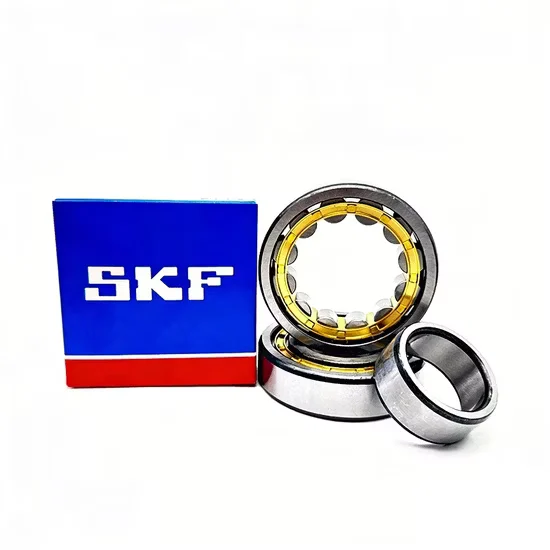
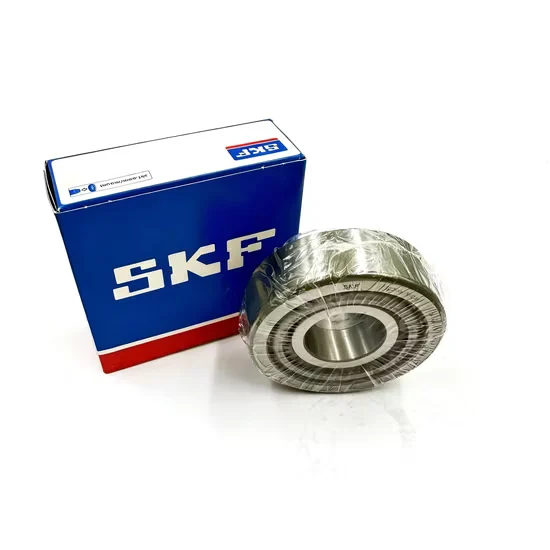
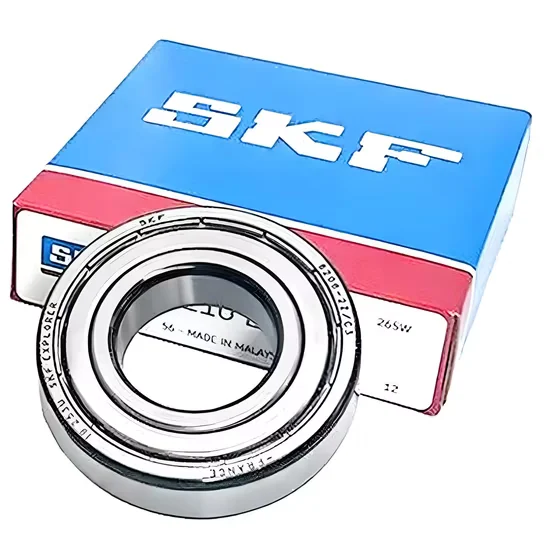
SKF Gearbox OEM Bearings: Genuine Wholesale Supplier
- Buying Guide
- Sep 15, 2026
- author
Most gearbox failures stem not from load capacity, but from a single mismatched suffix character.
Sourcing genuine SKF gearbox OEM bearings requires strict verification of suffix codes for internal clearances and seal types, combined with full traceability documentation to prevent customs seizures and operational downtime. Without this dual-layer validation, even visually identical units can cause premature mechanical failure or financial loss through rejected shipments.
I still recall the chill of a Hanover exhibition hall when a German procurement manager approached our booth. He needed a specific series for a heavy-duty industrial reducer. Relying on my background in quality inspection, I matched the basic dimensions and offered a competitive spot price. The order was placed, and a full container was shipped. Weeks later, the silence from the client was louder than any complaint. When communication resumed, the news was stark: the entire container had been rejected. The bearings were physically genuine, but the suffix indicated standard clearance rather than the required C3 clearance for high-temperature gearbox operations. Furthermore, the anti-counterfeit codes on the packaging failed verification scans. The financial impact was total, and the reputational damage was severe. That incident reshaped my approach. Now, every inquiry for SKF gearbox OEM bearings begins not with price, but with a forensic check of the suffix matrix and origin certificates.
This guide details the technical nuances of suffix decoding and the documentary evidence required to secure authentic supplies. It is designed for distributors and OEMs who understand that the lowest unit price often carries the highest hidden risk.
Why Suffix Verification is Critical for Gearbox OEMs?
Suffixes are not optional accessories; they define the internal geometry and operational limits of the bearing.
Many buyers assume that if the bore, outer diameter, and width match, the bearing is interchangeable. This is a dangerous misconception in gearbox applications. The basic model number identifies the physical dimensions, but the suffix dictates the internal clearance, cage material, seal type, and lubricant compatibility.
In a gearbox, heat generation is significant. A standard clearance bearing installed in a high-speed reducer will expand internally as it heats up. If the initial clearance is not sufficient (e.g., lacking the C3 suffix), the rolling elements will bind against the raceways. This leads to rapid temperature spikes, lubricant breakdown, and catastrophic seizure. Conversely, a bearing with excessive clearance may cause vibration and noise, leading to premature fatigue of the gear teeth.
I once consulted for a European wind farm operator experiencing repeated gearbox failures. The maintenance team was replacing bearings based on the base model number alone. Upon inspection, we found they were installing standard clearance units in positions requiring increased clearance due to thermal expansion. The fix was not a change in brand, but a strict enforcement of suffix accuracy. For anyone sourcing SKF gearbox OEM bearings, ignoring the suffix is akin to buying a key that fits the lock but cannot turn it.
The cost of error extends beyond the component itself. A rejected container represents a mid-six-figure loss when factoring in shipping, duties, and production delays. Therefore, suffix verification is the first line of defense in procurement.
How to Decode SKF Bearing Suffixes for Gearboxes?
A systematic comparison of suffix codes reveals the specific adaptations required for heavy machinery.
To avoid the pitfalls of mismatched specifications, buyers must utilize a decoding matrix that contrasts standard offerings with gearbox-specific requirements. The following table outlines the critical suffix variations that frequently cause confusion in global sourcing.
| Feature | Standard Suffix | Gearbox/OEM Specific Suffix | Impact of Mismatch |
|---|---|---|---|
| Internal Clearance | None (Standard) | C3, C4 | Standard clearance causes binding under thermal load in gearboxes. |
| Seal Type | Z, 2Z (Metal Shield) | RS1, 2RS1 (Rubber Seal) | Metal shields may allow contaminant ingress in harsh mining environments. |
| Cage Material | None (Steel) | M, MA (Brass), P (Polymer) | Steel cages may fail under high vibration; polymer offers better damping. |
| Lubricant | Standard | HT, LHT (High/Low Temp) | Incorrect lubricant viscosity leads to film breakdown and wear. |
| Precision Class | P0 (Normal) | P5, P4 | Lower precision increases noise and vibration in high-speed reducers. |
A case from a Middle East steel mill illustrates the importance of cage material. The facility was experiencing frequent bearing failures in their conveyor drive gearboxes. The original specification called for a brass cage (suffix M) to handle high shock loads. However, the supplied batch had steel cages due to a sourcing error that ignored the suffix. Under the heavy start-stop cycles, the steel cages fractured, causing secondary damage to the gearbox housing. By switching to a verified supplier who strictly adhered to the suffix matrix for SKF gearbox OEM bearings, the facility achieved stable operation.
When reviewing quotes, do not just check the base number. Request a detailed breakdown of the suffixes. If a supplier cannot explain the difference between a 2Z and a 2RS1 suffix in the context of your application, they are not qualified to supply critical OEM components.
What Traceability Documents Prove Genuine SKF Bearings?
Physical inspection is insufficient; documentary traceability is the only proof of authenticity.
Counterfeiters have become sophisticated. Packaging, labels, and even the bearings themselves can look identical to genuine products. The only reliable differentiator is the chain of custody.
A valid traceability package for SKF gearbox OEM bearings must include:
- Certificate of Origin (CoO): Issued by the manufacturer or authorized distributor, stating the country of manufacture.
- Certificate of Conformity (CoC): Confirming the product meets specific ISO or DIN standards.
- Mill Test Certificate (MTC): Providing material composition data for the steel used.
- Anti-Counterfeit Verification: A unique code on the packaging that can be verified via the manufacturer’s official digital platform.
I recall a shipment destined for a large infrastructure project in Southeast Asia. The customs authorities flagged the consignment due to suspiciously low pricing. The importer could not produce a valid CoO linked to the specific batch numbers. The result was a seizure of the goods and a delay of several weeks, halting the project timeline. The buyer had saved a small percentage on the unit price but lost significantly more in penalties and idle labor.
In contrast, a recent order for a heavy machinery OEM in South America was processed with full traceability. We consolidated mixed batches from various production runs, ensuring each pallet had its own set of documents. The client’s quality team scanned the anti-counterfeit codes upon arrival, and every unit verified successfully. This level of transparency builds trust and ensures smooth customs clearance.
When evaluating a supplier, ask for sample documents before placing a bulk order. Verify that the batch numbers on the certificates match those on the product labels. If the supplier hesitates or provides generic templates, consider it a red flag.
How to Avoid Counterfeit Traps in Global Sourcing?
Price anomalies and packaging inconsistencies are the earliest warnings of counterfeit goods.
The global bearing market is flooded with fake products. These items often use recycled steel or substandard manufacturing processes, leading to unpredictable performance.
Key red flags include:
- Pricing significantly below market average: Genuine SKF gearbox OEM bearings have a established cost structure. Prices that are too good to be true usually indicate counterfeit or refurbished goods.
- Poor packaging quality: Blurred logos, misspelled words, or flimsy boxes are common signs.
- Lack of technical support: Authorized suppliers provide datasheets and selection guidance. Counterfeit sellers often lack this expertise.
A US-based distributor once shared his experience of receiving a batch of bearings that looked perfect externally. However, during installation, the inner rings showed slight discoloration and roughness. Laboratory analysis revealed non-standard steel composition. The supplier had vanished, leaving the distributor to handle claims from angry end-users.
To mitigate these risks, establish a relationship with a supplier who performs incoming quality checks. Our process involves verifying the suffixes against the purchase order and scanning anti-counterfeit codes before shipment. We also offer mixed-brand consolidation, allowing buyers to source from multiple premium brands like FAG, NSK, and TIMKEN alongside SKF, all with verified traceability. This approach reduces the risk of relying on a single source and ensures that every item in the container meets the required standards.
For urgent MRO needs, verify that the supplier holds spot inventory of genuine products. Lead times should be realistic, and shipping documentation must be prepared in advance to avoid customs delays.
Conclusion
Authenticity in bearing sourcing is verified through suffix accuracy and document traceability, not just brand reputation.
Securing genuine SKF gearbox OEM bearings demands a rigorous approach to technical specifications and supply chain transparency. By understanding the critical role of suffixes and insisting on full documentary proof, buyers can avoid costly failures and ensure the reliability of their machinery. Partnering with a supplier who prioritizes these verifications transforms procurement from a gamble into a strategic advantage.
Related Applications
This article connects to the application areas below. Open one to see the bearing categories used there.