
Spherical Roller Bearings
SKF ball, roller and mounted bearings for machine builders, distributors and project buyers

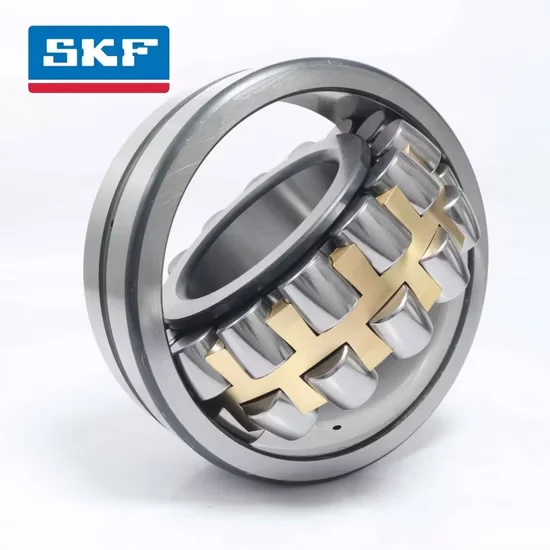


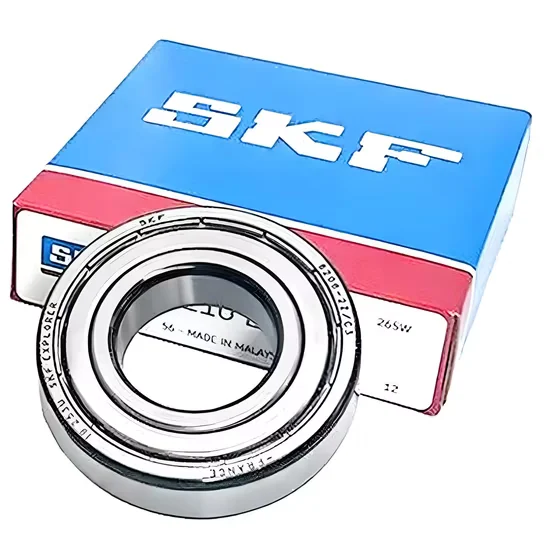
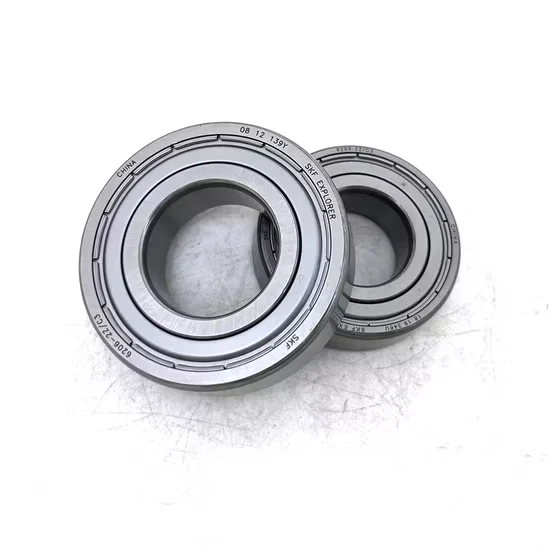
SKF 22212-E Spherical Roller Bearing — double row self-aligning design in Chrome Steel Gcr15 for heavy-duty metallurgical service.
Each shipment includes a complete documentation package with material certificates and dimensional inspection reports for full batch traceability.
Product Details
Cross-Reference Alignment — verifying dimensional, load, and clearance equivalents across global catalogs prevents mismatches in metallurgical retrofits.
| Parameter | Value |
|---|---|
| Designation | SKF 22212-E |
| Bearing Type | Spherical Roller Bearing |
| Main Material | Available in high-carbon chrome steel variants |
| Structure | Double row, self-aligning |
| Suffix Code | E (reinforced internal design) |
| Clearance Options | C3, C4 available for thermal expansion |
| Bore Type | Cylindrical (K suffix available for tapered) |
| Lubrication Features | W33 outer ring groove and holes available |
| Origin | Jiangsu, China |
Note: The 2RS seal designation is unverified and requires manufacturer catalog confirmation for this specific series.
| Industry | Typical Applications |
|---|---|
| Metallurgical & Steel Mills | Continuous casting machine segments, rolling mill roll necks |
| Mining & Construction | Vibrating screens, heavy-duty crushers |
| Pulp & Paper | Paper machine dryer cylinders, press rolls |
Thermal expansion in continuous casting lines demands C3 or C4 clearances to prevent catastrophic seizure.
When metallurgical equipment operates under extreme thermal gradients, standard internal clearances quickly vanish. I have personally dismantled seized units from continuous casting machines where heat-induced shaft expansion eliminated the operating clearance entirely. The inner ring expands faster than the housing, squeezing the rolling elements until friction generates even more heat. Engineers often overlook how the massive heat transfer from the processed steel alters the internal geometry of the bearing. Selecting the correct SKF 22212-E spherical roller bearing with adequate thermal compensation is not just a preference; it is the difference between uninterrupted production and unplanned downtime. Ignoring these thermal dynamics guarantees premature fatigue and catastrophic raceway spalling.
This specific designation excels in environments where heavy radial loads combine with moderate axial forces and severe shaft misalignment. The reinforced internal geometry handles the brutal shock loads typical of vibrating screens and rolling mills without suffering from edge loading. Our sourcing network ensures that when you need this exact configuration, we cross-reference the load ratings and dimensional envelopes to guarantee a drop-in replacement for your existing OEM setup. By validating the exact internal geometry, we prevent the subtle mismatches that lead to uneven load distribution across the double row of rollers.
Metallurgical machinery exposes components to intense radiant heat, heavy particulate contamination, and aggressive cooling sprays. Elevated temperatures drastically reduce lubricant viscosity, while scale and dust infiltrate unprotected raceways, acting as an abrasive grinding paste. Choosing between oil and grease lubrication depends entirely on the cooling requirements and flushing needs of the specific roll neck or screen deck. Furthermore, selecting the appropriate clearance class compensates for the differential thermal expansion between the shaft and housing. This precise compensation prevents internal preload buildup that otherwise leads to accelerated roller skidding and premature fatigue.
The 'E' suffix indicates a reinforced internal design with an optimized roller complement, significantly increasing the dynamic load-carrying capacity compared to older standard designs. For high-temperature zones, specifying C3 or C4 clearance is absolutely critical to accommodate thermal expansion without binding the rolling elements against the raceways. Additionally, the W33 variant provides an annular groove and lubrication holes in the outer ring, facilitating efficient relubrication in heavily contaminated environments. When shaft mounting requires tight interference fits, the K suffix option offers a tapered bore for precise clearance adjustment during installation, ensuring the final operating clearance remains within the optimal range.
Specifying standard clearance for a high-heat application inevitably leads to internal preload as the shaft expands under operational temperatures. This excessive preload accelerates roller skidding and generates immense friction heat, creating a destructive thermal feedback loop. The resulting premature failure often damages adjacent housing components, ruins the shaft seating, and voids equipment warranties. Adhering to established failure analysis frameworks reveals that a significant share of catastrophic seizures in steel mills stems directly from ignoring thermal clearance requirements during the initial procurement phase.
Sourcing genuine components requires more than just matching the base part number; it demands verifying the exact suffix configuration down to the cage material. We frequently see procurement errors where standard clearance units are shipped instead of C4 variants, leading to immediate field failures upon startup. Our technical team cross-references your specific operational parameters to ensure the correct internal geometry and cage material are selected for the application. We consolidate mixed-brand shipments while maintaining strict batch traceability, ensuring every single unit meets the rigorous demands of heavy equipment maintenance and withstands the harsh metallurgical environment. By securing fully traceable inventory, we eliminate the risk of receiving counterfeit or reconditioned parts that would otherwise fail catastrophically under heavy shock loads.
To ensure optimal service life and prevent costly downtime, share your specific radial and axial load profiles, operating speeds, and ambient temperature ranges. Providing the OEM equipment designation allows our engineering team to perform a comprehensive cross-reference and L10 life calculation tailored to your exact operational profile. Detailing the contamination level and sealing requirements helps us recommend the most suitable lubrication strategy and clearance configuration for your metallurgical application, ensuring the selected unit performs reliably under your specific plant conditions.
Q: How to verify the authenticity of the delivered units?
A: Authenticity is confirmed by scanning the QR code on the packaging using the manufacturer's official application. Additionally, we provide original factory batch traceability documents and a Certificate of Conformity that explicitly details the suffix configuration, ensuring the internal geometry matches your metallurgical requirements.
Q: How to choose between C3 and C4 clearance for high-temperature applications?
A: The choice depends on the operational temperature gradient and the interference fit of the shaft. C3 provides extra clearance for moderate heat, while C4 is essential for continuous casting lines where extreme thermal expansion occurs. We analyze your specific thermal profile to recommend the exact clearance class.
Q: What does the E suffix mean for the load capacity?
A: The E suffix denotes a reinforced internal design featuring an optimized roller complement and improved raceway profiles. This configuration significantly increases the dynamic load-carrying capacity, making it highly suitable for the heavy shock loads encountered in vibrating screens and rolling mill equipment.
Q: What are the recommended lubrication practices for W33 variants?
A: The W33 suffix indicates an annular groove and three lubrication holes in the outer ring. This design allows for efficient relubrication directly into the roller complement. We recommend establishing a regular greasing interval based on your specific contamination levels and operating temperatures to flush out particulates.
Q: Is the 2RS sealed version available for this designation?
A: The 2RS seal designation is currently unverified for this specific series and requires manufacturer catalog confirmation. For heavily contaminated metallurgical environments, we typically recommend utilizing the W33 lubrication groove with robust external housing seals to ensure adequate protection without compromising thermal dissipation.
Before You Enquire
A complete enquiry ties every price to the right execution, drawing and project stage. It also catches the sleeves and locking components that BOMs often leave out.
Send Your BOMSame Product Family
These bearings share a category with this model, so you can review them together when one BOM covers several lines.
Spherical Roller Bearings

Angular Contact Ball Bearings

Spherical Roller Bearings
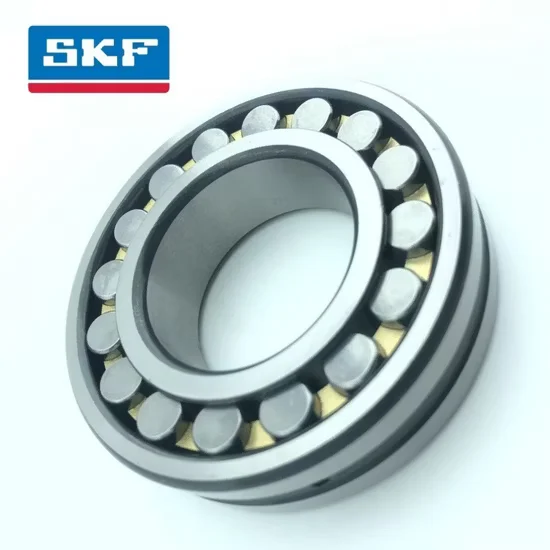
High Temperature Bearings
Where It Fits
This bearing is listed for the applications below. Open each one to see the related product categories.
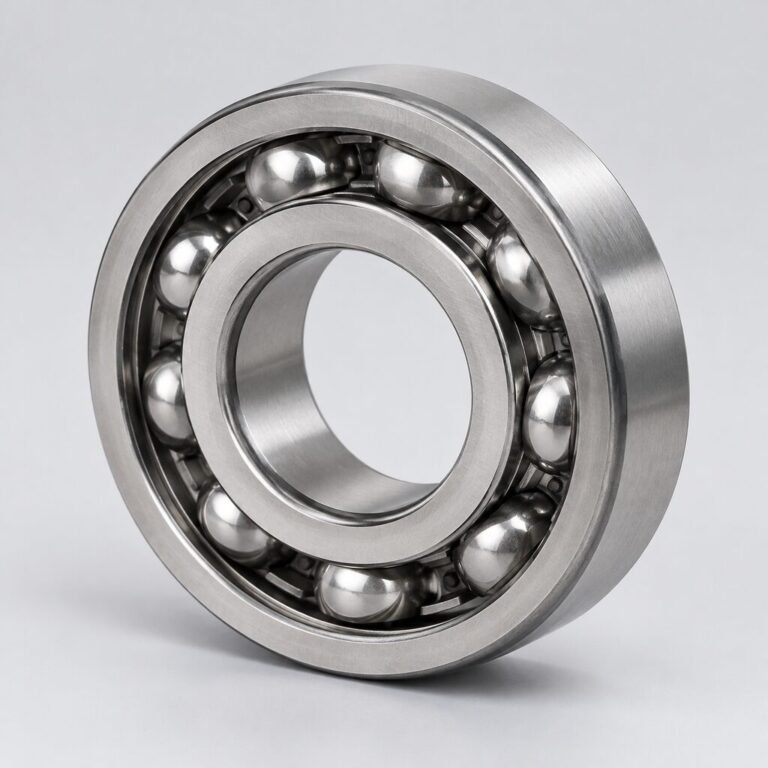 Machinery Parts Distribution Machinery parts distributors stock and resell standard bearings for general machinery, automotive and light-vehicle customers, often across many sizes on a single purchase list.… Ball Bearings · Roller Bearings · Sealed and Shielded Bearings · Inch Size Bearings
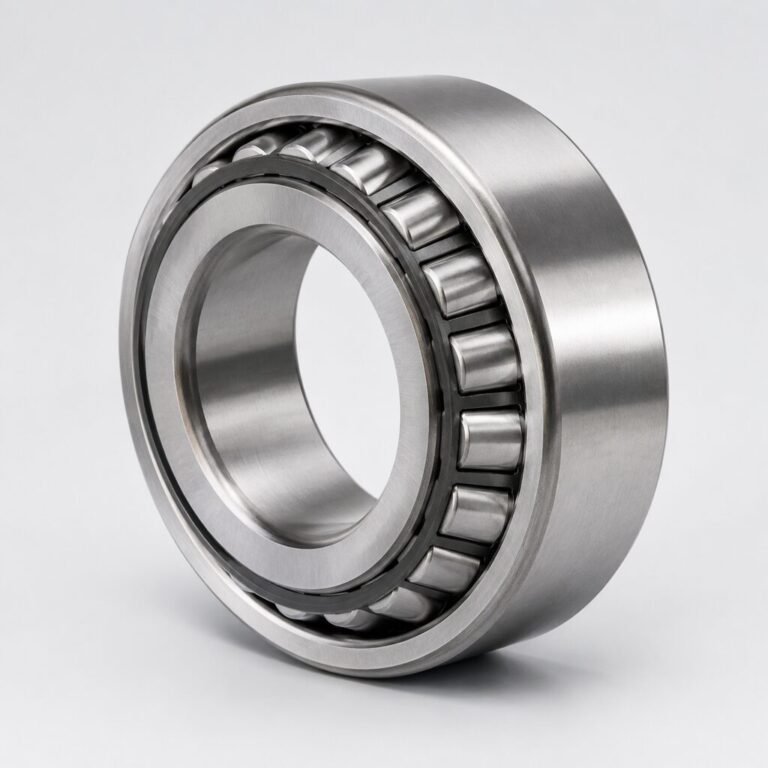 Power Transmission & Rotating Equipment Gearboxes, reducers, pumps, compressors, blowers, conveyors and wind turbine drivetrains depend on bearings that carry combined radial and axial loads at sustained speeds. Shock… Cylindrical Roller Bearings · Tapered Roller Bearings · Spherical Roller Bearings · Self-Aligning Ball Bearings
Technical Reading
These articles support bearing selection and specification checks for this product type.
Sep 15, 2026 · Brands & Alternatives
Source Equivalent Bearings for OEM Spare Parts Lists by matching technical specifications like clearance and load ratings instead of rigid brand names. This cross-brand…
Sep 15, 2026 · Procurement & Trade FAQs
Manage field failure returns from OEM customers by identifying root causes like seal失效 or improper lubrication rather than assuming manufacturing defects. Implement systematic analysis…
Sep 16, 2026 · News & Cases
Master Supply Chain Diversification 2026 for OEMs by balancing multi-brand bearing sourcing with strict customs compliance to avoid production halts. Align HS codes and…
Preguntas Frecuentes
The exact execution is confirmed before you accept a product quote. Share the BOM line and drawing revision. If the marking on an old bearing is incomplete, send a clear photo and note what still needs checking.
List each stage as its own quantity with its own required date. Prototype, production and spare quantities can then appear separately in one project quote, so planners can schedule each stage on its own timing.
State the BOM line, the drawing revision and whether alternatives are allowed. A separately identified alternative is settled before the product quote is accepted. Technical changes require buyer approval, so your design engineer keeps control of the specification.
Product documents are confirmed at the written quote stage, order by order. List the documents your project requires in your enquiry. Transport documents are confirmed with the shipping arrangements for the order.
Request a Quote
SKF Mechanical and Electrical Equipment supplies SKF ball, roller and mounted bearings to buyers worldwide. Your written quote states model, quantity, price and currency, availability, estimated lead time and validity.